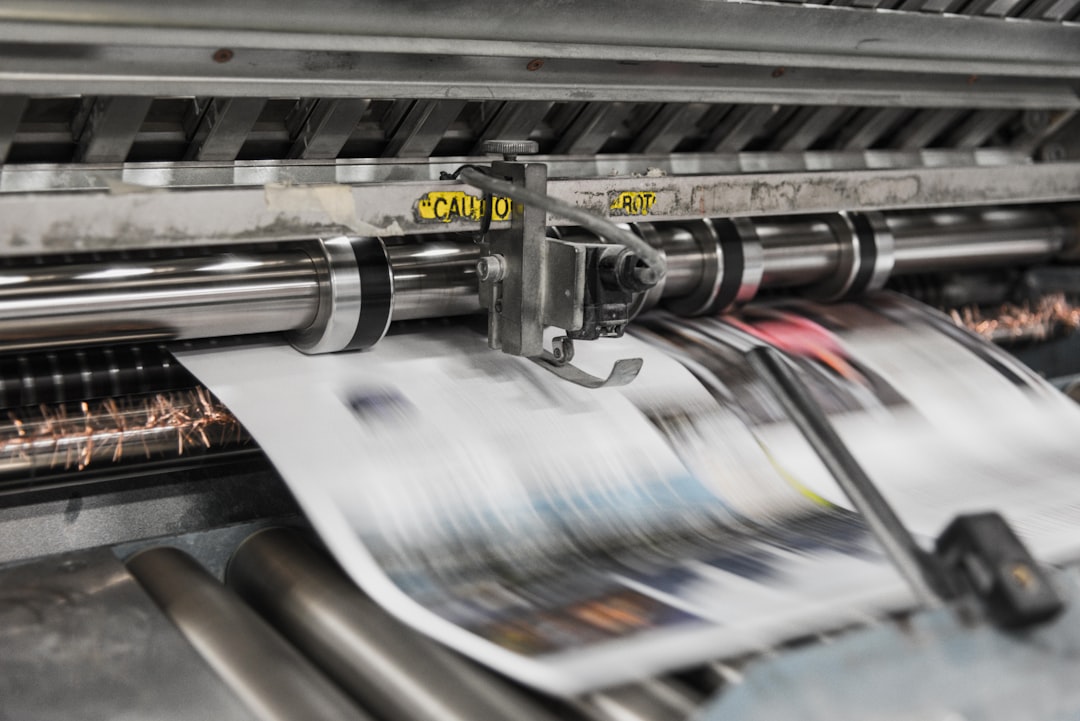
If you want a repeatable revenue stream, posters are one of the smartest online photo printing products a creator can build. They are easy to understand, visually powerful, and flexible enough to work for art, photography, fandom, events, education, and lifestyle brands. Unlike one-off merch drops, the best poster concepts can be refreshed seasonally, localized by audience, or offered in multiple sizes and finishes so the same idea keeps selling long after launch.
This guide breaks down ten poster and print concepts that can be produced again and again, with practical advice on sizing, packaging, upsells, and fulfillment. It also explains how to source images from shared photo albums, protect your archive with a photo backup service, and turn phone shots into premium wall art when you want to print photos from phone. For creators managing large libraries, a strong cloud photo storage workflow is what makes this business scalable, not stressful.
Pro tip: The most profitable poster products are rarely the most complicated. They are the ones that feel collectible, personal, and easy to reorder with a different date, city, colorway, or caption.
1) Limited-edition art posters that evolve in small runs
Why limited editions sell repeatedly
Limited-edition posters work because they create urgency without requiring an entirely new product every time. You can release the same base artwork in a numbered run, then refresh the design with a new season, color palette, or alternate crop. That makes this format ideal for creators who want high margin products with a strong story behind them, especially if they already have a recognizable visual style. It also helps if you use a workflow inspired by automation recipes for creators, because recurring drops become much easier when image prep, naming, and export steps are standardized.
How to package the scarcity story
Scarcity works best when it is believable and specific. Instead of vague “limited edition” language, define the exact run size, paper type, signature method, and end date. A poster that is “Edition 1 of 100, printed on matte archival stock, hand-numbered by the artist” has a much clearer value proposition than a generic art print. If you want to understand how creators position a premium offer, study the messaging discipline in messaging and data storytelling and apply the same clarity to your poster descriptions.
Best upsells and price anchors
For limited editions, the strongest upsells are certificates of authenticity, signature personalization, framed upgrades, and collector bundles. A framed bundle can lift AOV significantly because buyers want something that arrives display-ready. You can also offer a “studio proof” variant with a slightly different crop or margin treatment to reward repeat buyers. If you need inspiration on how premium collectibles expand basket size, look at collectibles that pair with premium artbooks.
2) Seasonal collage posters that renew demand every quarter
Build a repeatable seasonal system
Seasonal collages are one of the easiest ways to make poster sales cyclical instead of one-time. A spring floral collage, summer travel montage, autumn family-photo grid, and winter celebration print can all use the same template structure with different imagery. The format is especially effective for creators who already collect photos throughout the year and need a fast way to transform them into premium products. Using shared photo albums makes this easier, because collaborators can drop in images by event or season without a confusing manual handoff.
Design choices that make collages feel premium
Collages can easily look cluttered, so the design must stay disciplined. Keep a consistent grid, use a restrained color palette, and leave breathing room around each image. For best results, choose 3 to 9 images depending on the poster size, with fewer images for smaller formats and more for large statement pieces. When creators treat collage design like a publishing system rather than a scrapbook, the product feels intentional and worth reordering across seasons.
Package them as annual traditions
The real growth lever is repetition. Promote each seasonal collage as part of a four-part annual set, or create a subscription-style “year in review” poster that customers expect to buy every December. This is similar to how seasonal flavor plays succeed in retail: the same base concept returns with a new twist. Add a matching calendar or desk card as an upsell, and you turn one order into a small seasonal tradition.
3) Quote posters with typography built for gifting and decor
Why quote prints have recurring demand
Quote posters are evergreen because people buy them for identity, motivation, and gifting. A well-designed line of text can sell to multiple audiences if the tone is clear: humorous, inspirational, minimalist, or niche-specific. The product is especially flexible for creators with a strong voice or community culture, because the quote itself becomes brand shorthand. In a world crowded with visual noise, typography-first products can perform well when the message is instantly recognizable, much like the precision seen in plain-language communication guides.
How to make typography feel worth printing
Design matters more than the sentence length. Use hierarchy, spacing, and negative space to make the quote feel like art rather than a social post. Pick typefaces that match the emotional tone, and avoid over-decorating the layout. If you plan to print posters at multiple sizes, test the typography at 18x24, 24x36, and A2 so the message remains readable from a distance and still feels balanced up close.
Smart upsells for quote posters
Quote prints pair well with personalized name lines, date stamps, or custom dedications, especially for weddings, graduations, and milestone birthdays. A “gift-ready” bundle can include a small note card or a second mini print. If you want to think about the trust-building side of selling text-based products, the article on monetizing trust with tutorials and recommendations is a useful mindset model for creators selling meaningful, non-commodity products.
4) Photo-grid posters that turn large libraries into wall art
Why photo grids are ideal for creators and families
Photo-grid posters solve a familiar problem: people have hundreds or thousands of meaningful images but no elegant way to display them. A grid format turns a large library into one cohesive poster, which makes it perfect for family milestones, brand retrospectives, fandom collections, or travel highlights. Because the template is reusable, customers can reorder a new version every year with minimal effort. This is where strong organization systems matter, and why many teams combine cloud photo storage with searchable tagging.
Layout principles for clean grids
Use symmetry whenever possible. Equal margins, consistent cropping, and similar tonal treatment make the poster feel polished. You can create 4-cell, 9-cell, or 12-cell layouts depending on image count and size, but make sure the poster has a visual anchor, such as one larger hero image or a centered title. If your audience regularly shoots from phones, the option to print photos from phone is crucial because it lowers the friction between capture and conversion.
Repeatable product variations
Once the base grid is built, you can spin off holiday versions, baby milestones, graduation timelines, and “best of the year” editions. Offer neutral, bold, and premium editorial styles so buyers can match their decor. To support high-volume fulfillment without overcomplicating operations, it helps to study practical inventory discipline in inventory centralization vs localization, even if your business is smaller than a typical portfolio brand.
5) Mosaic posters built from tiny moments that form one hero image
The visual payoff that drives reorders
Mosaic posters are memorable because they reward close inspection. At a distance, the customer sees one hero image; up close, they discover dozens or hundreds of smaller photos. That “wow” factor makes mosaic prints strong gifts for weddings, anniversaries, graduations, and fandom communities. It also encourages repeat buying because each new event gives customers another opportunity to build a fresh mosaic from a new image set.
Production tips that preserve quality
Mosaics require careful source management. Low-resolution images can ruin the effect, so a quality check step is non-negotiable. Use a clean master file, and make sure your image collection lives in dependable photo backup service infrastructure before you start assembling the final poster. For large customer libraries, strong backup and recovery practices reduce the chance of a failed order or a missing child photo at the worst possible moment.
How to sell mosaics as premium gifts
Price mosaics for emotional value, not just print size. Customers are often paying for memory, not paper. Offer a deluxe version with metallic paper, edge-to-edge formatting, or framed presentation. If you want to deepen the gifting angle, think like a retailer that understands premium add-ons, similar to the thinking behind collector gift pairings. The more the final product feels curated, the more likely customers are to return for the next life event.
6) Event posters and memory wall prints
Why event-based products sell year after year
Concerts, festivals, retreats, launches, conferences, reunions, and family reunions all create natural poster opportunities. A single event can generate multiple products: a hero poster, a collage recap, a speaker lineup print, or a date-and-location commemorative piece. The beauty of event posters is that the template can be reused annually with a new date and image set, making them ideal for recurring revenue. For creators who document live moments often, a reliable content workflow matters as much as the creative idea itself, which is why live coverage planning principles translate surprisingly well to event merchandising.
Design elements buyers expect
Successful event posters usually include the event name, date, venue or city, and a curated visual focal point. If you are making an annual print series, keep the framework consistent so the audience starts to recognize the collection. That consistency is a major advantage in merchandising because buyers collect what feels part of a series, not a one-off. A strong poster lineup can become the print equivalent of a season pass.
Fulfillment and packaging for events
Speed matters. Event posters are emotionally time-sensitive, so your fulfillment plan must be predictable and clearly communicated. Include a rigid mailer or tube, and offer fast shipping upgrades for customer urgency. Since many buyers will capture their best shots on mobile devices, making it easy to print photos from phone reduces friction and boosts conversion on impulse purchases.
7) Travel posters inspired by trips, cities, and local identity
Local pride is a repeatable market
Travel posters work because people love belonging to places. You can create city-inspired prints, neighborhood maps, destination collages, or “favorite places” posters built from customer photos. This concept repeats well because every trip creates fresh inventory for the same template. It also performs across audiences, from families preserving vacations to creators selling lifestyle-driven decor that feels personal and aspirational.
How to create a high-end look
Focus on composition and color harmony. A travel poster should feel like a destination piece, not a random photo dump. Use consistent grading, leave room for titles or coordinates, and test which crops still look great when printed as large posters. If you want to understand how destination framing can turn a trip into a desirable product, the logic is similar to destination storytelling: the location becomes part of the promise.
Upsells that increase order value
Offer a matched set of three sizes: small desk print, medium wall poster, and large statement piece. Then add a framed premium version or a companion postcard pack. Many buyers will also want a second print for a gift, especially when the design includes family names or meaningful coordinates. Travel posters are one of the easiest products to bundle because the emotional value scales naturally with format.
8) Seasonal collage calendars and poster-calendars
Why calendars belong in a poster strategy
Calendars are not just functional; they are recurring print products with a built-in annual renewal cycle. A poster-calendar hybrid lets you keep the wall-art feel while adding utility, which increases the perceived value. For creators, this is a powerful way to monetize a year’s worth of content because the same source material can be reused in a fresh layout every January. It is one of the simplest ways to turn cloud photo storage into product revenue.
Content planning for 12-month products
Start by grouping photos into monthly themes, then assign each month a strong hero image and one supporting accent. Keep the date grid readable and avoid overcrowding. The most successful calendar posters feel elegant first and practical second, so resist the urge to fill every inch. If you need inspiration for how creators sequence outputs over time, the structure of agentic assistants for creators offers a useful way to think about repeatable production.
Packaging and reorder strategy
Sell them in Q4, but also in mid-year “restart” promotions. Many customers buy a second copy for the office, studio, or family home. Offer a spiral-bound desk version, a large wall poster version, and a premium framed edition. The same design can also be localized by market or event, which is why good merchandising often looks a lot like the thinking behind retail packaging strategy: the presentation drives the purchase.
9) Quote-and-photo hybrid posters for brand storytelling
The format that feels personal and publishable
A quote-and-photo hybrid combines the emotional clarity of typography with the authenticity of an image. This is ideal for creators, authors, speakers, coaches, and publishers who want to turn a signature phrase into a piece of decor. Because the poster tells a story in two layers, it can be refreshed by swapping the photo, updating the quote, or changing the color treatment. That gives you a durable product line with room for regular iteration.
What to watch for in layout and licensing
The main risk is balance. If the image is too busy, the quote gets lost; if the quote is too large, the photo becomes decorative rather than meaningful. Keep one dominant focal point and make sure image rights are clean, especially if the poster uses user-submitted or team-created content. Trust matters in visual products, and the cautionary logic in authentication and ethics is useful when your products rely on originality and provenance.
Make it giftable and brandable
Offer editable name lines, event dates, or personalized headers. For brand creators, create white-label versions or client-safe variants so the same core design can be sold to multiple audience segments. If you want to improve the perceived professionalism of the final piece, think in terms of polished client-facing presentation like designing spaces that resonate with clients, because the environment around the product influences how premium it feels.
10) Thematic poster sets that turn one concept into a collection
Why sets outperform single prints
Poster sets are the easiest path to repeat revenue because they encourage collecting, not just buying. A series of three botanicals, a triptych of photo-grid memories, or a set of quote prints in matching colors gives buyers a reason to come back for more. This is where many creators leave money on the table: they sell one image instead of a visual universe. When you build a collection, the same audience can keep purchasing as the series expands.
How to structure a collection for long-term sales
Use a master theme and define the rules. For example, every print in the series might share one typeface, one paper finish, and one layout structure, while the imagery changes by season or mood. Keep a consistent naming convention and organize assets in shared photo albums so updates are easy to manage with collaborators or clients. When the process is organized, the collection can grow without becoming chaotic.
Bundling, subscriptions, and reorder paths
Collections create natural upsell ladders: buy one poster, then the matching pair, then the full set. You can also sell subscription-style drops where customers receive a new design every month or quarter. This approach mirrors the discipline of knowing when to invest in supply chain, because once demand proves itself, scaling the system becomes more important than endlessly inventing new ideas.
Poster sizing, paper choices, and finish options that protect margins
Choose sizes that fit real walls
Most creators should offer at least three core sizes: one small format for gifting, one mid-size for home decor, and one large statement size. Popular pairings include 12x18, 18x24, and 24x36 inches, because they suit common frames and feel intuitive to buyers. If you want more international flexibility, include A3, A2, and A1 equivalents. The best size strategy is one that matches how customers actually live, not just how designers prefer to export files.
Paper and finish are part of the product story
Matte finishes often work best for art and photo-heavy designs because they reduce glare and feel premium. Satin or semi-gloss can add richness to color-forward work, especially for vibrant collages. Archival stock, thicker bases, and consistent color calibration help justify higher prices and lower return risk. Quality expectations are rising across consumer tech and creative goods alike, which is why understanding market shifts in rising device and production costs can help creators protect margins without weakening the final product.
A comparison table for choosing the right poster format
| Poster Type | Best For | Repeatability | Typical Upsells | Fulfillment Risk |
|---|---|---|---|---|
| Limited-edition art poster | Collector audiences, fans, design buyers | High with new drops | Framing, signatures, certificates | Low if file control is strong |
| Seasonal collage | Families, lifestyle creators, holidays | Very high annually | Bundles, matching cards, calendars | Medium due to image volume |
| Quote print | Gifting, motivation, brand fans | High with new phrases | Personalization, frame upgrade | Low |
| Photo-grid poster | Memory collections, timelines, recaps | High across life events | Multiple sizes, deluxe paper | Medium |
| Mosaic poster | Weddings, anniversaries, fandom gifts | High for milestone events | Premium finish, large format | Higher due to source quality needs |
How to turn poster ideas into a reliable fulfillment engine
Start with file organization and backups
A repeatable poster business lives or dies on the quality of its source files. Build a naming system that separates campaign images, client-approved assets, and final export files. Keep originals in dependable photo backup service workflows, then use cloud photo storage for tagging and retrieval. If your archive is messy, every new product launch becomes a treasure hunt instead of a production line.
Make sharing and approvals painless
Creators often lose time chasing image approvals by email or messaging apps. A cleaner workflow is to move everything into shared photo albums where collaborators can review, comment, and approve assets in one place. That matters for client work, family memories, and community-driven poster sets alike. For creators who manage lots of moving parts, the operational mindset in outsourcing creative ops can help determine when it is time to delegate production tasks.
Use product fulfillment as part of the brand experience
Good poster businesses do not just print images; they deliver a polished customer experience. Choose packaging that protects corners, communicates care, and makes unboxing feel intentional. Rigid mailers work well for smaller quantities, while tubes are useful for larger posters and poster sets. If you want to think about fulfillment more strategically, the logic behind supply chain investment signals applies here too: when demand becomes predictable, it is worth tightening production and shipping systems.
Packaging, pricing, and upsells that maximize repeat revenue
Price by value, not by inches
Many creators underprice posters because they compare them to cheap retail decor. Instead, price based on audience intent, emotional significance, and presentation quality. A custom collage for a family milestone is not the same as a generic wall print, even if both are printed on similar paper. Your pricing should reflect curation, customization, and convenience, especially if you offer online photo printing with fast fulfillment.
Three upsells that work across nearly every poster type
Frame upgrades, express production, and personalization are the most universal upsells. You can also add matching mini prints, gift notes, or companion postcards if the main poster is part of a celebration. If the buyer is a creator or publisher, consider commercial-use licensing or a branded presentation insert. The stronger your upsell structure, the more the same design can generate value across different customer segments.
Use packaging to protect repeat purchases
Protective packaging does more than reduce damage. It tells the customer that your product belongs in the premium category, which makes reordering easier next time. Clean, consistent packaging also improves referrals because people are more likely to gift or display a product that arrives well presented. When your delivery experience is as thoughtful as the design, your poster line starts to feel like a brand rather than a commodity.
FAQ: selling poster products creators can repeat
What poster product sells the most consistently?
Photo-grid posters and quote prints tend to be the most repeatable because they are easy to refresh with new content and work for many audiences. If you want the highest repeat rate, build a template-based product line instead of relying on one-off art drops. Reusable structures make it easier to launch new versions without redesigning from scratch.
How many sizes should I offer for each poster?
Three core sizes is usually enough to start: a small gift size, a mid-size home decor size, and a large statement size. If you are selling internationally or to design-savvy buyers, add metric equivalents. Too many sizes can complicate fulfillment and confuse customers.
What paper finish is best for high quality photo prints?
Matte is the safest default for most poster and photo print products because it reduces glare and feels premium. Satin or semi-gloss can work well for colorful collages or vibrant editorial designs. The best choice depends on the image style, lighting, and the emotional feel you want the product to have.
How do I keep poster fulfillment reliable?
Use organized file naming, strong backups, and a review process before sending anything to print. Keep originals in photo backup service systems and working assets in cloud photo storage. That way, if a file is missing or corrupted, you can restore it quickly without delaying the order.
Can I sell the same poster idea more than once without it feeling repetitive?
Yes, if you change the story, timing, or presentation. For example, a seasonal collage can become a yearly tradition, a limited-edition art poster can get a new colorway, and a quote print can be refreshed with a new message. The format stays familiar while the content stays fresh.
How should I handle customer photos for personalized posters?
Use a centralized upload and approval workflow, preferably with shared photo albums so everyone involved can review the same set of images. That reduces confusion and speeds up approvals. It also makes it easier to archive final selections for future reorders.
Final take: build a poster line that compounds over time
The most successful poster businesses are not built on random ideas. They are built on formats that can be refreshed, recolored, resized, personalized, and re-bundled into new offers over and over again. That is why limited editions, seasonal collages, quote prints, photo grids, mosaics, travel prints, and thematic sets all deserve a place in a creator’s product library. They are flexible enough to serve fans, families, clients, and collectors, while still being simple enough to fulfill reliably.
If you connect great design with strong operations, posters become more than wall art. They become a dependable content-to-commerce engine powered by online photo printing, smooth photo product fulfillment, and an archive you can trust. And when your source material is secure, searchable, and ready to share, you can keep launching new products without starting from zero every time.
That is the real advantage of repeatable poster ideas: they do not just sell once. They create a system that can keep selling as your audience, your archive, and your brand grow.
Related Reading
- Photo backup service - Protect your archive before turning it into products.
- Shared photo albums - Streamline approvals and collaboration for print projects.
- Cloud photo storage - Organize and retrieve large image libraries faster.
- Print photos from phone - Turn everyday captures into premium prints with less friction.
- Photo product fulfillment - Deliver posters and prints with a polished customer experience.