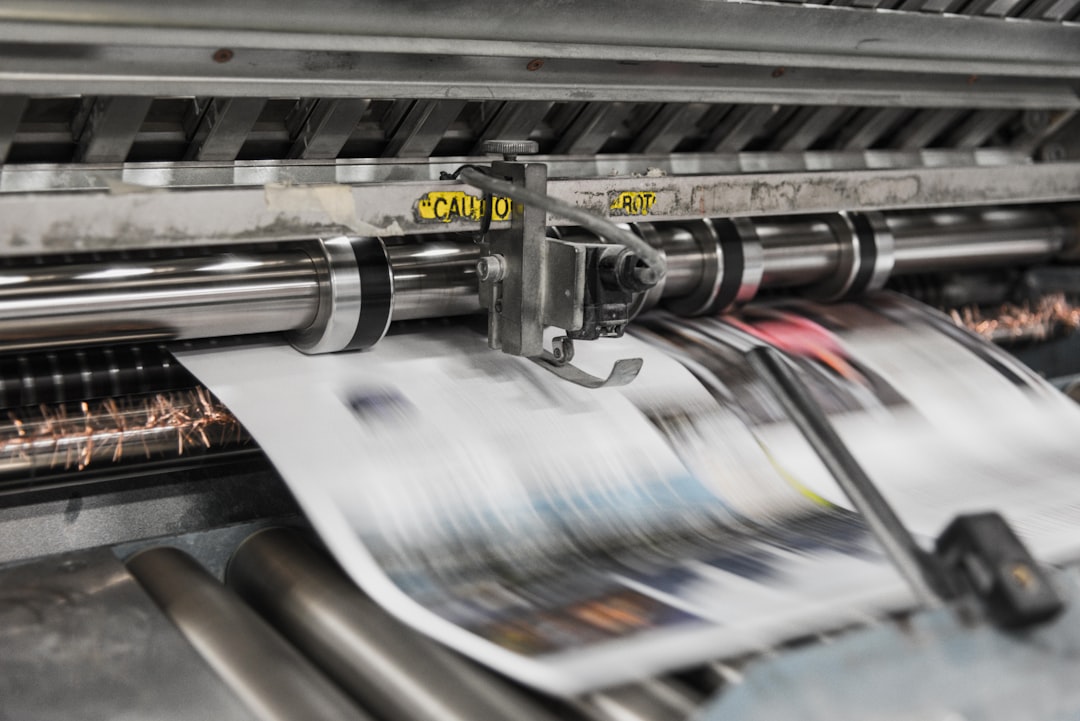
In the ever-evolving landscape where art meets technology, AI in art is fast becoming a transformative force for content creators and artists alike. Whether you’re exploring new conceptual pathways, refining your creative workflows, or preparing stunning art prints for delivery, artificial intelligence offers unparalleled advantages. This guide dives deep into the intersection of creativity and AI technology, giving you actionable strategies to harness AI tools effectively from conception to the final print.
1. Understanding AI’s Role in Modern Creative Technology
1.1 The Evolution of AI in Artistic Expression
AI’s integration into art is not just a novelty. It represents a significant milestone in how artists can augment traditional techniques with algorithmic creativity — from generating visuals to aiding complex editing processes. Notably, the rise of AI-based creative tools has accelerated innovation in fields like digital painting, generative art, and interactive installations.
1.2 Key AI Tools Empowering Creators Today
The market for AI-assisted art tools has exploded, featuring products such as generative adversarial networks (GANs) for image synthesis, style transfer applications, and AI-driven colorization tools. For real-world success stories, businesses leveraging chatbots and AI assistants show promising parallels in automating workflows, which creative projects can emulate for efficiency gains.
1.3 Benefits for Content Creators and Publishers
For creators and publishers, AI technology helps streamline repetitive tasks, enhance creative ideation, and deliver personalized content faster with consistent quality. This is especially relevant when preparing volume-orientated print runs or managing extensive photo archives using streamlined organization and tagging strategies, a vital part of creative project management.
2. Designing with AI: From Concept to Prototype
2.1 AI-Assisted Brainstorming and Concept Generation
Starting your project with AI-powered brainstorming platforms can spark innovative ideas that break creative blocks. Tools using natural language processing (NLP) and image generation can visualize themes or suggest design elements. For example, conceptualizing a theme for your next content around trending themes can be enhanced by AI contemporaries that analyze cultural data.
2.2 Prototyping Artworks Using Generative AI Models
Generative AI tools enable rapid prototyping by producing multiple iterations of your artwork. This allows creators to experiment with color palettes, composition, and styles without starting from scratch each time. Familiarity with AI tools such as GANs or diffusion models significantly accelerates creative workflows.
2.3 Collaborative AI for Creative Teams
When working in teams, AI-powered collaboration platforms provide synchronized editing and feedback, reducing communication lag and misalignment. Tapping into the digital ecosystem enables sharing, version control, and asset management, which is critical for projects targeting print or digital delivery. For more on collaborative workflows, study the audit of remote team's tool stacks, illustrating organizational efficiency.
3. AI Integration in Digital and Physical Art Prints
3.1 From AI-Generated Art to High-Quality Prints
Converting AI-generated digital artwork into physical prints demands an understanding of print resolutions, color calibration, and file preparation. Many platforms now offer seamless integration from AI file outputs to print-friendly formats without quality loss, enhancing the reproduction of intricate AI-created designs. To learn about effective print strategies, visit print strategies for art prints.
3.2 Customizing Print Products with AI Recommendations
AI-driven personalization enables tailored product recommendations based on customer preferences gathered from data analytics. This allows creators and publishers to offer exclusive print formats, sizes, or finishes, fulfilling niche market demands with precision and increasing engagement.
3.3 Managing Licensing and Copyright in AI Art Prints
Licensing AI-generated art can be complex due to copyright laws adapting to novel creation methods. Stay informed about major licensing updates that clarify usage rights and intellectual property, ensuring your prints are compliant and protect your creative assets effectively.
4. Streamlining Creative Workflows Using AI Automation
4.1 Automating Routine Tasks in Creative Production
Routine steps such as file naming, resizing, tagging, and organizing can be automated with AI, saving time and minimizing human error. Implementing tools with local-first edge processing, as detailed in local-first edge tools for pop-ups and offline workflows, ensures data privacy while optimizing performance.
4.2 AI in Quality Control and Error Detection
AI-driven quality control systems can analyze artwork fidelity, print preparation accuracy, and color matching. This proactive error detection removes costly mistakes before production, maintaining high standards essential for professional art prints.
4.3 Enhancing Client Communication and Sharing
Fast, intuitive sharing platforms powered by AI enhance how creators interact with clients and collaborators. You can implement smart albums and permission-based access control, like the systems described in photo organization and tagging, to foster seamless, secure collaboration during creative reviews.
5. Practical AI Toolkits for Art Project Creators
5.1 Recommended Software and Platforms
Leading AI platforms for creatives include Adobe’s Sensei AI, DeepArt, Runway ML, and DALL·E among others. Selecting the right software depends on your project’s scope, technical skill level, and integration needs. Study use cases such as small seller growth through micro-experiences to understand leveraging AI tools for scaling creative outputs.
5.2 AI Tools for Image Backup and Preservation
Automatic cloud backup solutions with AI-enhanced search and organization capabilities ensure your creative works are safe. Platforms akin to ourphoto.cloud offer reliable backups with advanced tagging and restoration features that prevent loss due to accidental deletion or technical failure.
5.3 AI-Assisted Print Fulfillment Services
On-demand print services integrated with AI optimize fulfillment logistics, improving turnaround times and reducing waste. This connects with sustainable practice models in artisan markets, such as those detailed in Italian artisan markets 2026 perspective, emphasizing eco-conscious production.
6. Ethical and Legal Considerations in AI Art
6.1 Navigating Copyright in the Era of AI
Understanding the evolving copyright frameworks surrounding AI-generated content is crucial to avoid costly disputes. Consult current regulatory shifts as outlined in 2026 copyright shifts impacting reproductions for detailed guidance and compliance strategies.
6.2 Privacy and Permission Controls
AI systems that manage creative assets must respect privacy and access rules. Implement robust permission controls to safeguard client data and creative ownership, taking notes from best practices in community moderation depicted in smart home ecosystems.
6.3 Inclusivity and Bias in AI Art Tools
AI models can inadvertently perpetuate biases. Creators should critically evaluate AI toolsets, ensuring diverse cultural representation and avoiding stereotypes. Reading about ethical concerns in AI, such as those raised in the media literacy guide on spotting deepfakes, can inform your practice.
7. Case Studies: AI Transforming Creative Workflows
7.1 A Visual Artist’s Journey to AI-Augmented Prints
Learn from a case study where an independent artist used AI to rapidly iterate designs and prepare high-resolution images for print-on-demand services. Integrating AI streamlined the artist’s workflow, balancing creative control with efficiency.
7.2 Collaborative AI in Content Publishing
A publishing house integrated AI tools to enhance editorial workflows, automate metadata tagging, and curate personalized art content, boosting engagement and revenue. This echoes themes in the Mighty Growth Playbook on creator commerce.
7.3 AI-Driven Print Strategies in Marketplaces
Marketplaces using AI to recommend prints and optimize inventory have gained notable advantage. The adaptive packaging strategies from capsule dessert drops reflect how smart logistics paired with AI can amplify sales in niche markets.
8. Building Your AI-Enriched Creative Workflow: Step-by-Step
8.1 Setting Up Your AI Environment
Begin by identifying key project requirements and selecting compatible AI tools. Establish cloud backup accounts and organize data using automated tagging systems. Learn technical workflows from resources on portable creator rigs and transfer workflows.
8.2 Integration with Traditional Artistic Methods
Balance AI assistance with manual craftsmanship to retain authenticity and originality. For instance, use AI for layout and color experimentation while preserving hand-painting or sketching for texture and emotion.
8.3 Optimizing for Print and Distribution
Finalize your art files ensuring print compatibility by maintaining color profiles (CMYK), DPI standards, and bleed margins. Use AI-powered quality assurance tools to verify before sending to print providers or marketplaces.
9. Comparison: Leading AI Art Tools for Creative Projects
| Tool | Primary Function | Ease of Use | Best For | Pricing |
|---|---|---|---|---|
| Adobe Sensei | Automated editing, asset management | Intermediate | Creative professionals scaling workflows | Subscription-based |
| Runway ML | Generative art, video effects | Beginner to intermediate | Experimental digital artists | Free tier + paid plans |
| DALL·E | Text-to-image synthesis | Easy | Concept generation, quick prototyping | Pay per use |
| DeepArt | Style transfer, photo enhancements | Easy | Stylized prints and artworks | One-time & subscription options |
| Artbreeder | Collaborative image blending | Easy | Character design, abstract art | Free + subscription |
10. Future Trends: The Next Frontier in AI and Art
10.1 Hyper-Personalization in Creative Outputs
AI is set to deliver increasingly personalized art experiences, fine-tuning styles and formats for individual consumer tastes. This aligns with advanced omnichannel micro-subscriptions in retail, showcasing how custom content drives engagement.
10.2 Integration with Augmented Reality and NFTs
AI-generated art combined with AR and blockchain technologies will open new avenues for digital ownership, interactive exhibits, and immersive experiences connecting creators and audiences.
10.3 Democratizing Art Creation
Lower barriers to entry are anticipated as AI tools become more accessible, empowering a broader demographic of creators to produce professional-grade art without extensive technical training.
FAQ: Art-Inspired AI in Creative Projects
Q1: What is the best way to start using AI in my art projects?
Begin with AI tools aimed at concept generation and prototyping, such as text-to-image models. Experiment alongside your usual methods to find a balance.
Q2: How do I ensure my AI-generated artwork is legally protected?
Stay updated on copyright laws, register your work where applicable, and consult licensing updates like those in recent vendor announcements.
Q3: Can AI replace traditional artistic skills?
AI complements but doesn't replace human creativity and skill. Use it as a tool to enhance, not substitute, your unique artistic voice.
Q4: How do AI tools improve printing quality for art?
AI assists in preparing files with correct color profiles, identifies errors, and optimizes resolution to ensure prints meet professional standards.
Q5: Are there risks with AI-generated art regarding bias or originality?
Yes, AI can unintentionally reproduce bias or derivative content. Creators should review outputs critically and apply ethical judgment.
Pro Tip: Integrate AI early in your workflow for brainstorming and prototyping to unlock greater creative potential and accelerate production turnaround.
Related Reading
- Harnessing Popular Culture - Tips on building art and content around viral themes for greater reach.
- Sustainable Practices in Italian Artisan Markets - Inspiration for eco-friendly art print production.
- Integrating AI in Daily Operations - Business case studies for AI adoption and efficiency.
- 2026 Regulatory & Copyright Shifts - Stay ahead of legal challenges in art reproduction.
- Local-First Edge Tools for Offline Workflows - Optimize your creative work even without constant internet access.