How to Create and Market Your Own Art Album: Lessons from Harry Styles and Tessa Rose Jackson
Artists and creators increasingly treat collections the way musicians treat albums: a curated sequence, a launch moment, and a sustained promotion cycle. In this definitive guide you'll get step-by-step methods for building, producing, and marketing an art album that sells — with practical parallels from music rollouts like Harry Styles' era-based campaigns and visual artists such as Tessa Rose Jackson who turn bodies of work into collectible experiences.
Introduction: Why an "Art Album" Matters
What is an art album?
An art album is a deliberate, packaged presentation of visual works — a printed book, boxed portfolio, a limited-edition series of prints, or a multimedia bundle. Unlike a scattershot portfolio, an album frames a narrative. It gives viewers a sequence, context, and a physical object to display or collect. The strategy mirrors music albums, where singles, visuals, and events are choreographed to maximize impact.
Why creators should think like record labels
Record labels don’t just release songs; they design campaigns. They map timelines, tease content, leverage collaborations, and convert fans into buyers. Translating those mechanics into visual art — sequencing images, teasing spreads, staging launch events and merch — helps creators move from discovery to revenue. For guidance about how creators must also consider legal and policy frameworks when crossing into music-like promotional territories, see our resource on music legislation for creators.
Case in point: Harry Styles and Tessa Rose Jackson
Harry Styles crafts eras: integrated aesthetics across sound, visuals, press, and merch. Tessa Rose Jackson (and artists who take her approach) treats series as cohesive narratives, often releasing books, prints, and limited editions with deliberate curation. Study their cadence: pre-release teasers, striking imagery, and careful distribution — all tactics we'll repurpose for your art album.
1. Concept & Creative Brief: Start Like a Producer
Define the core narrative
Begin with a one-sentence thesis: what emotional journey does the album deliver? This becomes the spine for sequencing, captions, and marketing copy. Musicians call this the album concept; visual artists translate it into motif, palette, and recurring symbols. Draft a simple mission statement and use it in your press kit and product descriptions.
Choose your format early
Decide whether your album is a hardcover photobook, a limited-run zine, giclée prints, or a mixed-media box set. Each format informs production timelines, costs, and pricing strategy — and the choice can affect the perceived value of the collection. For deep thinking on how art history informs print decisions, read about print design and art history.
Set audience and distribution goals
Who is the album for? Collectors, galleries, fans, or editorial buyers? Your answer should determine run size, price, and whether to sell direct, wholesale to shops, or through a distributor. If you plan to maintain an online storefront, consider early-stage domain strategy and costs by checking our guide on securing the best domain prices.
2. Design & Production: Build a High-Quality Object
Sequence with intention
Ordering matters. Sequence your images as you would song tracks: open with a statement piece, place a quieter middle, and close with a memorable final image. Think in chapters or thematic movements. Use captions, essays, or pull-quotes to knit the sequence into a narrative. The viewer’s reading experience should reward repeated revisits.
Choose print methods and materials
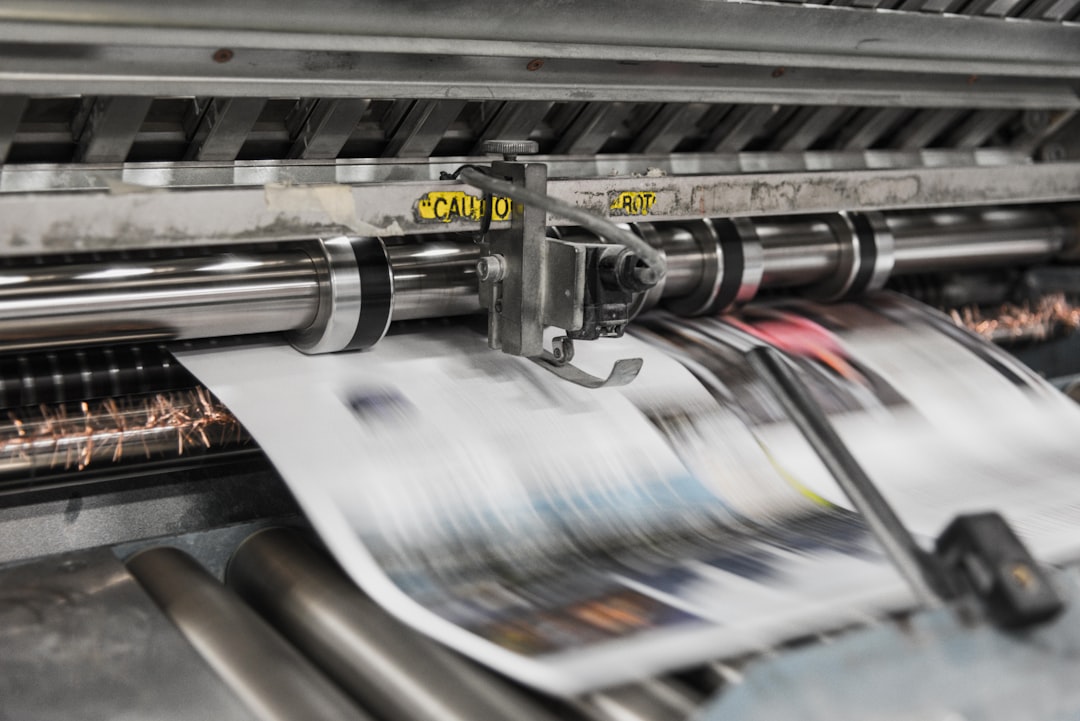
Paper stock, binding, and finishing define tactile quality. Giclée prints offer archival fidelity; offset press makes hardcover books more cost-effective at larger runs. Consider dust jackets, foil stamping, or spot UV for premium feel. For designers interested in the lineage between historic imagery and modern print, see print design and art history.
Production workflow and file prep
Create a production checklist: color profile (Adobe RGB vs. sRGB), DPI requirements (usually 300+ for print), bleed, and margin safety. Produce contact sheets and proof pages early. Test a signed-proof to verify color and paper feel before committing a large print run. If you need better imagery, revisit capture strategy — our guide on the best travel cameras for capturing work helps with on-the-go shoots.
Pro Tip: The tactile elements (paper weight, binding, slipcase) influence perceived value more than the number of images. Invest in one physical prototype and show it to five trusted collectors for feedback before final production.
Comparison: Print formats at a glance
| Format | Best for | Typical run size | Production time | Perceived value |
|---|---|---|---|---|
| Hardcover photobook | Collector editions, exhibitions | 250–2,000 | 6–12 weeks | High |
| Softcover zine | Street-level distribution, low-budget | 100–1,000 | 2–6 weeks | Medium |
| Giclée prints | Limited art prints, gallery sales | 10–500 | 1–4 weeks | Very High |
| Poster runs | Promotional, affordable collectibles | 500–5,000 | 2–6 weeks | Low–Medium |
| Boxed set (book + prints) | Premium collectors’ editions | 50–500 | 8–16 weeks | Very High |
3. Capture & Craft: Photography, Files, and Authentic Visuals
Image capture best practices
Whether shooting your own work or commissioning a photographer, clarity and consistency matter. Use consistent lighting and color references, shoot at high resolution, and archive RAW files. For portable shoots or travel-based projects, our camera guide is useful for choosing gear that balances budget and results: best travel cameras for capturing work.
File management and backups
Set up a file naming convention and use version control. Keep originals, edits, and print-ready files in separate folders with checksums. Use cloud backups and local RAID copies. This reduces the likelihood of losing files during a tight production window — a frequent pain point creators tell us about.
Color management
Calibrate monitors and request printer ICC profiles. Soft-proof pages against the target printer profile and order color proofs. Small shifts between screen and print are common — testing prevents costly reprints.
4. Packaging, Merch & Limited Editions
Tiers and scarcity
Create purchase tiers: a standard edition, a signed/numbered limited edition, and a deluxe box set. Scarcity creates urgency and price differentiation. Artists and musicians both leverage collectible tiers to satisfy both casual fans and high-value collectors.
Merch that complements the album
Design low-cost merch to lower the barrier for first-time buyers: posters, postcards, enamel pins. Merchandise also increases average order value when bundled with a book or print. For ideas on staging cost-effective experiences and merch, see lessons from affordable concert experiences.
Packaging for protection and presentation
Invest in protective packaging—dust jackets, archival sleeves, and rigid mailers. Packaging should protect during shipping and reinforce brand quality upon unboxing. If you're producing limited runs, consider including numbered certificates or signed notes to increase collector appeal.
5. Pricing, Fulfillment & Sales Channels
Price by value, not cost
Cost-plus pricing is useful for initial planning, but the final price should reflect perceived value. Hardcover books and giclée prints command collector prices, while zines sell at impulse levels. Test price points with a pre-release audience to find a sweet spot that balances sales velocity and margin.
Fulfillment options
Decide between in-house fulfillment for limited editions and third-party fulfillment for broader runs. Third-party print-on-demand reduces upfront costs but often reduces perceived exclusivity. Use a dashboard to manage inventory, pricing tiers, and fulfillment windows — our piece on building a multi-commodity dashboard translates well to art inventory workflows.
Where to sell
Direct-to-consumer via your website maximizes margin and data capture; wholesale to galleries expands reach; pop-ups and bookshops give tactile discovery. If you’re planning events or gallery showings, evaluate venue standards and selection carefully — see guidance on setting standards in venue selection.
6. Launch Strategy: Timing, Teasers, and Events
Build a promotional timeline
Map three phases: Tease (4–6 weeks prior), Release (launch week), and Sustain (12+ weeks after). Use sequenced reveals — cover, spread sneak peeks, limited-print drops — to maintain momentum. Musicians often release lead singles; your equivalent could be a limited print or a short video walkthrough of the book.
Events and experiential tactics
Launch events create PR moments. Think hybrid: small in-person openings plus livestreams for a broader audience. For creative event execution ideas that translate from fan-first cultural events, explore our article on event-making for modern fans.
Livestreaming and interactive premieres
Livestreamed releases let you monetize with pre-orders, live auctions, or limited-time offers. For strategies on optimizing viewership and converting live audiences, refer to our guide on streaming strategies for maximum viewership. Appropriate lighting and AV can elevate your stream; consider best practices from the audio-visual aids for collectible showcases to improve presentation quality.
7. Collaborations, Partnerships & PR
Choose collaborators strategically
Collaborations — photographers, musicians, poets — expand reach. Choose partners whose audiences complement yours and who add creative value. The music world uses features and remixes; in art, consider collaborative prints, joint events, or artist-curated sections.
Influencers vs. curators vs. institutions
Micro-influencers can drive targeted sales, while galleries and institutions offer cultural credibility. Mix channels: send review copies to curators and set aside a few for influencers who produce genuine coverage. Learn from how cross-genre collaborations elevate profiles in other industries: how collaborations elevate artists.
Reputation and crisis management
Be prepared for negative press or misunderstandings. Have a communications plan and designated spokesperson. For background on handling reputational issues in high-profile contexts, see reputation management insights.
8. Marketing Channels: Stories, Email, Social, and Podcasts
Visual storytelling on social platforms
Lead with visuals: carousels, behind-the-scenes Reels, and process videos. Sequence your posts like tracklists, enabling followers to experience the album over time. Paid social can amplify reach, but organic authenticity builds long-term fans.
Email and owned-audience tactics
Use your email list for exclusive pre-orders, VIP events, and early-bird discounts. Email converts better than social for purchases — prioritize list growth during the tease phase. If your audience is multilingual, integrate best practices from multilingual communication strategies to avoid missed opportunities.
Earned media and podcasts
Pitch the album to culture editors and relevant podcasters. Long-form audio interviews can translate into deeper engagement and sales. For creators mindful of well-being while touring promo cycles, our piece on podcasts as a guide to creator well-being offers useful context and outreach ideas.
9. Pricing Promotions, Discounts & Alternative Pricing Models
Limited discounts vs. dynamic pricing
Time-limited discounts can spike sales but may devalue perceived scarcity. For experimental strategies, consider marketplace-style or demand-driven pricing. The concept of prediction-backed discounts is emerging in commerce — explore how others are leveraging these ideas in leveraging prediction markets for discounts.
Bundling for higher AOV
Bundle the album with signed prints, merch, or exclusive digital content to increase average order value. Make bundled tiers clear on product pages and during livestreams.
Market timing and reaction
Be mindful of external market conditions. Like sports or collectibles, timing affects demand and price elasticity. Read how market reaction lessons apply across industries in market reaction lessons.
10. Post-Launch: Fulfillment, Analytics & Community Building
Track conversions and customer behavior
Use analytics to track pre-order rates, cart abandonment, and customer demographics. Use the data to adjust ad spend, email cadence, and inventory. A dashboard approach simplifies decision-making and forecasting: read lessons from building a multi-commodity dashboard to model your reporting.
Sustain momentum with serialized drops
Release ongoing limited prints, remixed editions, or commentary pieces to keep the album alive. Consider live Q&A sessions, serialized essays, or small gallery roadshows to maintain interest and sales.
Exhibitions and physical showcases
Physical displays remain powerful. Curate small shows that feature spreads from the album and offer prints for sale. For advice on AV presentation, lighting and display that elevate collectibles and galleries, see audio-visual aids for collectible showcases and the smart lighting revolution write-up for lighting tips. Energy-conscious setups also matter; our piece on energy-efficient lighting tips can reduce operating costs for pop-ups and shows.
Common Mistakes & How to Avoid Them
Rushing production
Rushing leads to color issues, binding problems, or misprinted runs. Build buffers into timelines and set milestone reviews with your printer. A single reprint can erase profit margins for small runs.
Under-investing in presentation
Small investments in packaging and proofs have outsized returns in customer satisfaction. Skimping on these details leads to returns and negative word-of-mouth that is difficult to reverse.
Ignoring post-sale relationships
Collectors expect communication and provenance. Capture buyer data, offer certificate registration, and invite them to future drops. Long-term relationships drive sustainable sales; don't treat a sale as a one-off.
Bringing it Together: A 12-Week Launch Checklist
Weeks 12–8: Concept & Production
Finalize sequence, confirm format, begin image prep, and request printer proofs. Secure collaborators and draft the media kit.
Weeks 8–4: Tease & Pre-orders
Release sneak peeks, open pre-orders, and seed review copies to curators and select influencers. Plan your launch event and livestream setups.
Weeks 4–0: Launch & Sustain
Host the launch (physical + livestream), fulfill early orders, and initiate a 12-week sustained outreach plan involving email, drops, and collaborations. Use streaming tactics to amplify: see our streaming strategies for maximum viewership.
Final Notes: Ethics, Rights, and Long-Term Value
Intellectual property and licensing
Register your work where appropriate, and attach clear licensing terms for any reproduced images. If you collaborate with musicians or sample audio, consult resources about music legislation and creator rights: music legislation for creators.
Sustainable and ethical production
Choose responsibly sourced materials where possible. Ethical choices resonate with many buyers and can be part of your marketing story. Consider energy-efficient operations for events (lighting and AV) to cut costs and emissions: see practical tips in the energy-efficient lighting tips and smart lighting revolution guides.
Measure what matters
Don't measure vanity metrics alone. Track conversion, LTV, repeat buyers, and fulfillment costs. Apply market-sensing practices to adjust pricing and supply — lessons on market reaction and timing are useful background: market reaction lessons.
FAQ
1) How many images should an art album include?
There is no fixed rule, but plan for coherence. A 48–80 page photobook often balances depth and production cost. If you’re producing a small zine, 16–32 pages can be effective. Focus on sequencing and narrative rather than raw image count.
2) Should I do a large print run or small limited editions?
It depends on goals. Small limited runs increase scarcity and per-unit margin; larger runs lower per-unit cost and enable wider distribution. Many creators mix both: a limited signed edition and an affordable standard edition.
3) How do I price shipping for fragile art prints?
Calculate insured shipping with rigid tubes or flat mailers and build shipping into price tiers. Offering local pickup or discounted pickup windows during pop-ups reduces shipping headaches and costs.
4) Can livestreams replace in-person launches?
Livestreams expand access and can be monetized, but physical events generate stronger local press and collector sales. Hybrid approaches capture both benefits — use high-quality AV to maximize impact, as discussed in our audio-visual aids for collectible showcases guide.
5) How do I avoid over-discounting and devaluing my work?
Reserve discounts for specific triggers (pre-orders, subscriber-only windows, or last-chance sales), and keep limited editions at stable pricing. Consider alternative incentives like bundled prints or signed certificates instead of straight price cuts. For creative pricing models, review ideas on leveraging prediction markets for discounts.
Related Reading
- The Ultimate Guide to Traveling with Pets - Practical tips if your album tour takes you on the road with companions.
- Navigating the Latest iPhone Features for Travelers - Quick tech tips for capturing work on mobile devices.
- Makeup Trends for 2026 - Useful for portrait styling if your album includes human subjects.
- The Interplay of Celebrity and Controversy - A cautionary read on public perception and collectibles.
- Goodbye, Flaming Lips - Example of creative transitions and the public narratives artists navigate.