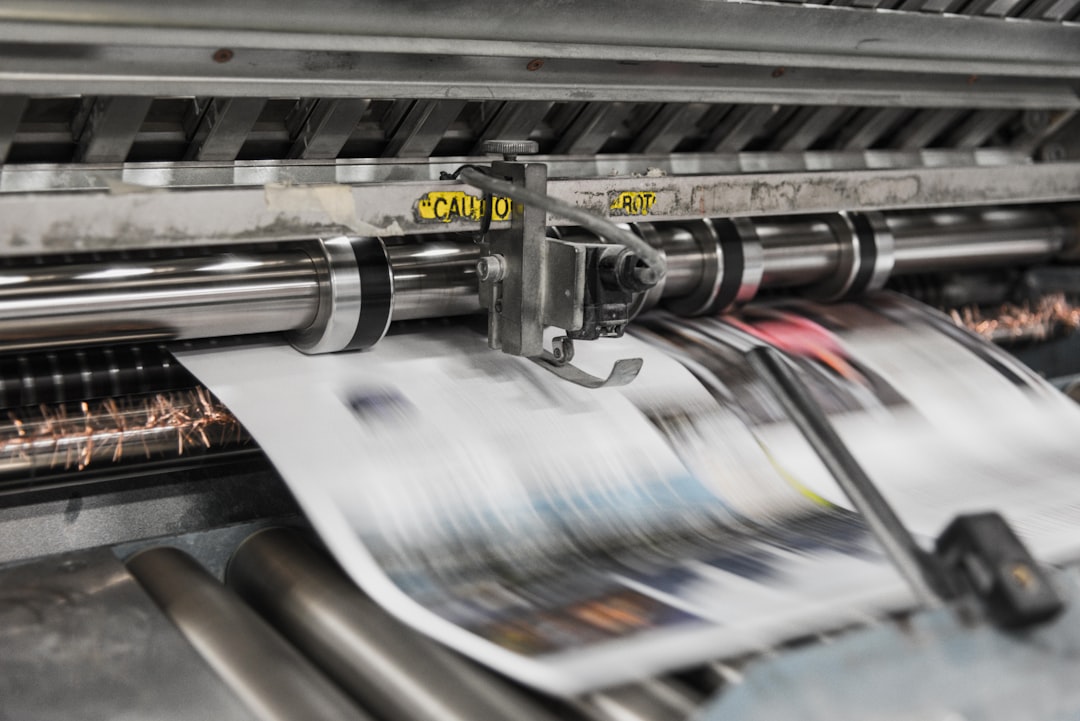
How Microfactories and Local Fulfillment Are Rewriting Photo Print Commerce in 2026
Hook: Faster, greener, and often cheaper — local print microfactories have moved from experiment to supply-chain staple. By 2026, photographers optimizing for turnaround and footprint rely on hybrid fulfillment models.
Market backdrop
Reports in early 2026 signalled a new era for distributed fulfillment: regional consortia and micro-store networks pooled demand to cut costs and improve lead times. Photographers and studios can tap these networks to provide same-day or next-day prints to local clients — the economics and coordination are explained in news on regional micro-store consortia (moneymaker.store/news-regional-micro-store-consortium-fulfillment-2026).
What this means for photographers today
- Lower delivery times: Local production often slashes transit and handling time.
- Better margins: Reduced shipping can improve per-order margins on small-batch prints and merch.
- Supply resilience: Microfactories mitigate global supply shocks by serving neighbourhood demand (see comparisons on how microfactories reshaped bargain shopping: comparebargainsonline.com/microfactories-local-fulfillment-bargain-shopping-2026).
Operational strategies for 2026
- Hybrid inventory: Keep limited stock of bestsellers on local microfactory print-on-demand while fulfilling niche runs on centralized partners.
- Membership and directory listings: Photographers benefit from membership listings in curated local directories to increase discoverability and leverage membership benefits; consider membership models and directory strategies for 2026–2028 (contentdirectory.co.uk/embrace-membership-listings-2026).
- Sustainable packaging: Local fulfillment enables greener options and reduced packaging waste; see small-maker playbooks on sustainable packaging choices (theorigin.shop/sustainable-packaging-playbook-2026).
- Integrated order flows: Use APIs that accept templated print jobs and transform them into local production-ready packages (templates-as-code reduces ambiguity: documents.top/evolution-templates-2026).
Pricing and margin models
Pricing in a distributed network requires clarity about production tiers, delivery SLAs, and membership fees for directory listings. Many photographers adopt a two-tier pricing model: base prints fulfilled locally and premium archival prints made centrally. The membership-based directory approach offers recurring visibility with predictable fees — the argument for membership listings often includes predictable lead generation under changing platform economics (contentdirectory.co.uk/embrace-membership-listings-2026).
Case study — a studio hybrid rollout
A mid-size wedding studio moved 40% of its print volume to a regional microfactory network across three cities. Results after three months:
- Average fulfillment time: 2.1 days (down from 6 days)
- Return rate: unchanged
- Carbon per order: -21%
- Net margin on prints: +12%
The project used templated delivery manifests to ensure print specs were consistent across partners (documents.top/evolution-templates-2026).
Risks and mitigations
- Quality variance: Mitigate with periodic QC rounds and a certification scheme for microfactories.
- Platform lock-in: Use open APIs and keep masters in your archive to avoid vendor lock.
- Logistics fragmentation: A central dispatch service or lightweight orchestration layer can harmonize production jobs across partners.
Where to start — a roadmap for studios
- Map your top 20 SKU routes and identify cities with high volume.
- Trial one microfactory partner per region and run a blind QC test.
- Implement templated export manifests to remove spec ambiguity (documents.top/evolution-templates-2026).
- Offer membership listing discounts to local repeat clients for same-day pickup or reduced shipping fees (contentdirectory.co.uk/embrace-membership-listings-2026).
Final word
Distributed fulfillment is not a fad. For photographers who care about turnaround, sustainability, and margins, microfactories and membership-enabled directories form a practical playbook in 2026. Pair these operational shifts with strong metadata and templated delivery processes and your studio will be faster, greener, and more resilient.
Related Reading
- Short Breaks, Big Gains: How Microcations Power Mental Health and Recovery in 2026
- Lego Furniture in ACNH: Best Sets to Collect and How to Budget Nook Miles
- Nutrition Supplements for Older Adults: Practical Guidance (2026)
- Layer Up: Necklace Styling Tricks for Cozy Winter Outfits
- Snack Attack: Building Olive-Based Convenience Packs for the Growing Express Store Market