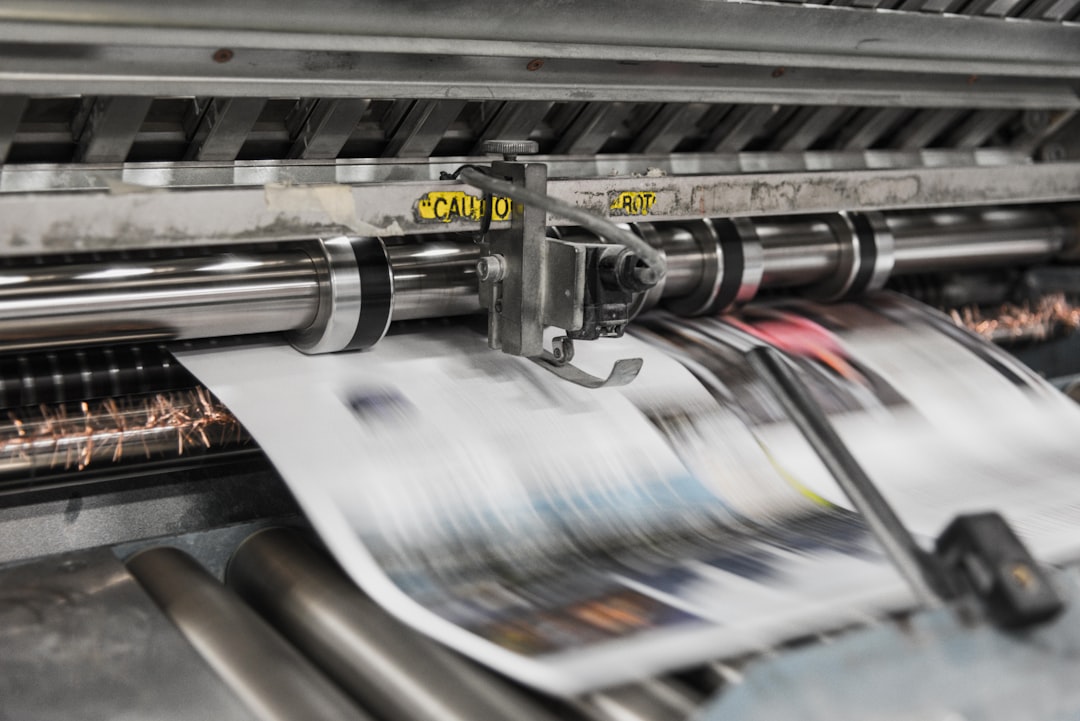
Hook: Your photos arrive — but what your clients unwrap determines whether they come back.
In 2026, a print's value isn't set solely by pixels or paper weight. It's the full handoff: the image, the object, and the unboxing ritual. This piece unpacks advanced strategies that pro photographers use to marry sustainable packaging, machine-driven image enhancement, and brand cohesion so prints, proof packs, and client gifts become retention engines — not trash.
Why packaging matters more than ever
Attention is scarce. Clients now expect a tactile experience that matches the snap-to-share speed of modern delivery. A well-considered package signals care, protects the print, and performs as a brand touchpoint. For photographers scaling direct print sales or offering finished goods, packaging decisions affect margins, carbon footprints, and perceived value.
Packaging is the quiet salesperson of your work — it informs trust before a client ever opens the box.
Latest trends shaping photographer packaging in 2026
- AI-driven image finishing at scale: Upscalers and intelligent sharpening are now integrated into print pipelines, allowing smaller files to become gallery-level prints without manual retouching.
- Sustainable minimalism: Recycled boards, seed-paper receipts, and compostable void fill have shifted from niche to expected in a studio's supply chain.
- Modular presentation kits: Reusable proof sleeves and branded magnetized folders that double as display systems for clients.
- Smart labels & provenance: NFC tags embedded in packaging for authentication, provenance, and access to high-res downloads.
Advanced strategy 1 — Treat packaging as a product, not an afterthought
Build repeatable SKUs for packaging that align with product tiers: proof envelope, boutique box, and collector crate. Each SKU should have:
- Clear cost and carbon accounting
- One-button assembly for fulfilment operators
- Visuals and dielines governed by a single physical identity system so logos, type, and surface finishes work across print, sticker, and box stock
For a modern playbook on materials and tradeoffs, see how small makers are balancing material choices today: Sustainable Packaging for Small Garden Makers: Materials and Cost Tradeoffs (2026 Playbook). While that guide targets makers, the material tests and cost models translate directly to photo businesses selling small-batch prints.
Advanced strategy 2 — Use AI upscaling as a tiered service
Not all clients need the highest-res master. Offer a finishing tier that includes AI upscaling, dynamic sharpening, and grain management for gallery or wall prints. This enables:
- Lower base file storage costs by keeping a single RAW and deriving outputs on-demand
- Faster proofs with smart downscales and simulated finishes
- Upsell opportunities at checkout — "Make this a gallery-quality print with AI finish"
AI image processors are reshaping packaging mockups and dielines too: labs are using upscalers to preview print grain and color on lower-res product shots. Read a practical take on how these tools intersect with packaging design in practice: How AI Upscalers and Image Processors Are Changing Food Packaging Design for 2026. The methods apply directly to print visualization and preflight processes.
Advanced strategy 3 — Align print packaging with your visual identity system
Consistency across label, insert, and sleeve increases perceived value. Invest in a short physical identity spec that covers:
- Logo treatments for emboss, foil, and flat print
- Color swatches and approved CMYK versus Pantone for labs
- Label hierarchy for legal copy, care instructions, and authentication codes
For deeper thinking on how logos and print ecosystems meet, consult this field guidance: Packaging, Print, and Physical Identity: How Logos Meet Product Ecosystems in 2026. That resource helped our workflows shorten rounds of design review and reduced reprints for color mismatch.
Advanced strategy 4 — Bring lessons from indie beauty & gift markets
Two sectors that cracked premium, sustainable packaging at scale are indie beauty and specialty gifts. Learn from their strict sampling practices, compostable mailers, and insert economy so you can offer premium tiers without a cost explosion.
See how indie beauty adapted sustainable packaging strategies and consumer messaging in 2026: How Sustainable Packaging Trends Are Reshaping Indie Beauty Brands in 2026. Also, explore the cultural shifts in presentation and materials that are influencing gift-wrap behaviors: The Evolution of Gift Wrapping in 2026: Sustainable Materials and Smart Packaging.
Operational checklist for 2026 — Putting it into practice
- Audit packaging costs and per-order carbon impact; set a target for reduction.
- Define three packaging SKUs with assembly instructions under 90 seconds each.
- Implement AI finish tier with automated job templates to apply to lab exports.
- Prototype one NFC tag workflow for provenance, linking to a hosted proof page.
- Swap one single-use plastic component for a compostable or recyclable alternative.
Future predictions — What to watch in late 2026 and beyond
- Composability of packs: Plug-and-play presentation systems will let photographers mix proof pages, retouch receipts, and merch in the same branded sleeve.
- On-demand physical personalization: Variable-ink printers for short runs will let you print client names on sleeves at the point of fulfillment.
- Local micro-fulfillment: Expect partnerships with city micro-fulfillment centers to cut shipping miles and open same-day collection options.
Quick resources and reading
- Sustainable Packaging for Small Garden Makers: Materials and Cost Tradeoffs (2026 Playbook)
- How AI Upscalers and Image Processors Are Changing Food Packaging Design for 2026
- Packaging, Print, and Physical Identity: How Logos Meet Product Ecosystems in 2026
- How Sustainable Packaging Trends Are Reshaping Indie Beauty Brands in 2026
- The Evolution of Gift Wrapping in 2026: Sustainable Materials and Smart Packaging
Final note
Packaging is where sustainability, craft, and commerce meet. In 2026, photographers who view each delivered box as a curated touchpoint — enhanced by AI finishes and grounded in a tight physical identity — will win referrals and reduce returns. Start small: one SKU, one NFC provenance tag, one compostable swap. Iterate quickly, measure impact, and reuse what works.
Related Reading
- Where to Host Community Conversations: Comparing Digg’s Relaunch, Reddit, and Bluesky for Creators
- 3-in-1 Wireless Chargers: Real-World Uses, Best Deals, and How to Choose
- Cheap vs Quality: When to Buy Budget Fitness Gear (and When to Splurge)
- The Creator’s Guide to Surviving Platform Moderation: Archive, Monetize, or Migrate?
- Star Wars Fandom & Transit: Best Cinemas, IMAXs and Fan Events in the Netherlands