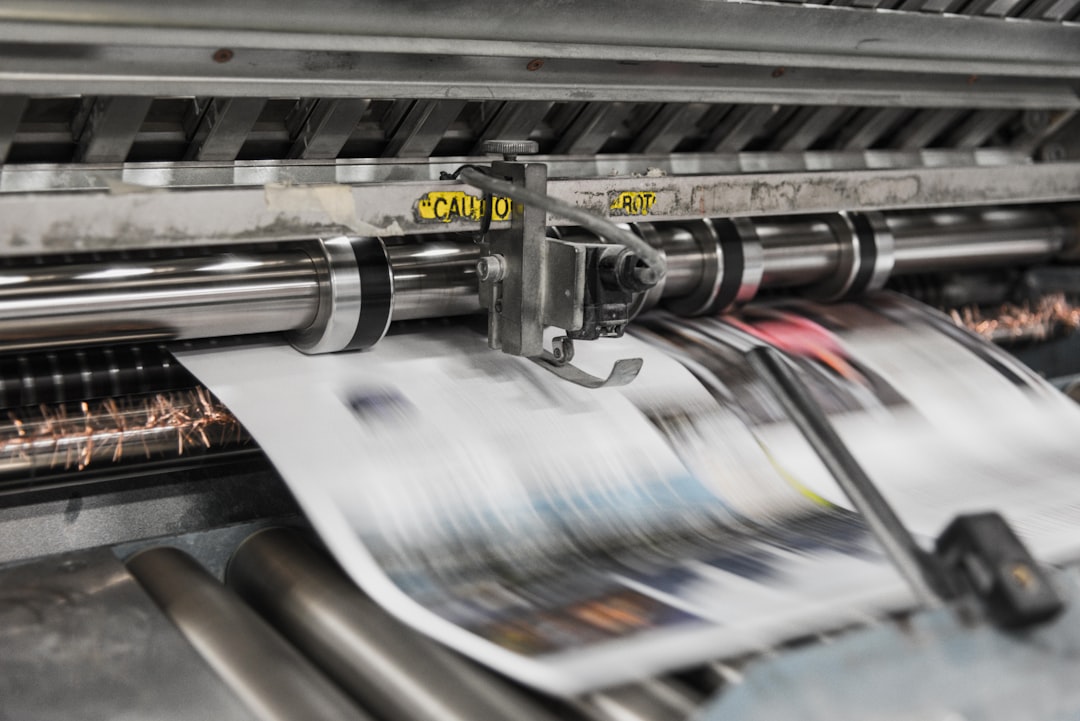
If you make content for a living, your best-performing posts should not live only on a feed. The same image that stops the scroll can become a framed print, a gallery wall, a merch item, or a client deliverable that feels premium instead of disposable. The key is to treat print as a separate production workflow, not an afterthought, and that starts with choosing the right files, backing them up properly, and preparing them for color-accurate output. For creators who already manage assets across devices, a reliable device workflow for content teams and strong creator workflow memory can save hours before a print is even ordered.
This guide walks through the full process of turning social or phone photos into high quality photo prints with less risk, less rework, and fewer surprises. You will learn how to identify the best images, prep files for online photo printing, understand color basics, choose print finishes, and build a backup and organization system that keeps your library usable over time. If you have ever needed to print photos from phone files quickly without sacrificing quality, this is the practical playbook. Along the way, we will also cover photo backup service best practices, photo organization tools, and print fulfillment choices that reduce time pressure and protect your brand.
Pro Tip: The most expensive print mistake usually happens before checkout, not at the printer. If the source file is weak, cropped wrong, or missing backup copies, no premium paper can rescue it.
1. Start with the right image: what actually makes a post printable
Choose images with print potential, not just social performance
A post can be perfect for Instagram and still be a poor candidate for a print. Social platforms reward motion, novelty, and quick readability, while print rewards detail, tonal balance, and composition that holds up at a larger size. When reviewing your library, look for images with clean subject separation, strong highlights and shadows, and enough resolution to support the intended dimensions. A photo that looks sharp on your phone may still soften badly when enlarged to a 16x20 or 24x36 print.
If you create quote graphics, portraits, or product shots, remember that social crops often hide the edges of an image that matter in print. This is why creators who use a structured review process, like the one outlined in A/B testing for creators, can make smarter decisions about which assets are worth refining for print. Think in terms of output: wall art, framed gift print, editorial print, or promo piece. Each use case has different tolerances for crop, grain, and color shifts.
Check resolution before you fall in love with the crop
Resolution matters because print reveals the truth that screens can hide. A common benchmark is 300 DPI for premium prints, but in practice, acceptable quality depends on viewing distance and the kind of image you are printing. A close-up portrait intended for a desk frame needs more detail than a large poster designed to be seen from several feet away. If your image is too small, you may be able to upscale carefully, but that should be a deliberate decision, not a default.
Creators who work across multiple asset types can borrow discipline from teams that manage complex content systems, such as those discussed in edge tagging at scale. The lesson is simple: tag your best printable images now, while you still know why they matter. That way, you are not digging through 8,000 camera rolls later trying to remember which shot had the cleanest focus and least compression.
Look for composition that survives a larger format
Print enlarges both strengths and flaws. Bold leading lines, simple backgrounds, and strong negative space often look even better on paper because the viewer has time to absorb them. Busy compositions can work too, but they usually need larger sizes or more careful cropping. For creators who shoot for thumbnails and story frames, it helps to think about how the image will read in a room, not on a phone.
If you are turning lifestyle content into decor or client pieces, compare your image strategy to how creators build emotional resonance in media, like the ideas in creating content with emotional resonance. The principle transfers well: memorable visuals are usually clear, intentional, and emotionally legible at a glance. Those qualities make for stronger prints and fewer regrets after ordering.
2. Build a backup-first workflow before you edit anything
Use cloud photo storage as your print safety net
Before editing or exporting, make sure your images exist in at least two places. A real photo backup service protects you from accidental deletion, broken phones, lost SD cards, and the most common creator problem of all: forgetting which version is final. Cloud photo storage gives you access across devices, while local copies preserve speed and control when you are preparing print files. If you only keep one version of a file in one app, you are one mistaken swipe away from losing a future print opportunity.
A good backup system should be boring, automatic, and searchable. That means a service that does not rely on you remembering to drag files into folders every week. If your workflow also includes team members, clients, or family access, build with permissions in mind so you can share select assets without exposing your full archive. For a broader view on trust and safety in AI-powered workflows, the thinking in keeping your voice when AI does the editing is a good reminder that control matters just as much as convenience.
Separate master files from social exports
Do not print from the same compressed file you uploaded to a platform. Keep a high-resolution master copy, then create a separate export for social, web, or preview use. Social platforms often recompress images, alter color, or resize aggressively, so the version that looks fine online may not be the version you want on paper. When in doubt, return to the original camera file or RAW conversion and build a fresh print-ready version.
This is where better photo organization tools save real time. Rename files consistently, add tags for shoot date and subject, and keep print candidates in a dedicated folder or album. If your library spans multiple devices and cameras, create a workflow inspired by scaling content systems like Apple for content teams, where consistency matters more than improvisation. Good organization is not glamorous, but it is what makes print production feel calm instead of chaotic.
Back up edited versions, not just originals
Creators often back up only the raw photo and forget the edited file, which creates problems when it is time to reorder prints. If you retouch skin, adjust contrast, or crop for a specific paper size, save that version too. The print-ready file is the one that reflects the creative decision you actually want preserved. In practical terms, that means archiving the original, the working edit, and the final export separately.
For teams that manage frequent assets, the same logic applies to scheduling and version control in editorial operations. The framework in scenario planning for editorial schedules shows why version discipline matters when deadlines move. Prints are less forgiving than posts because once they are on paper, you cannot re-upload a better crop. That makes archive hygiene part of the creative process, not just a storage task.
3. Edit for paper, not just for screen
Brightness and contrast usually need a print-specific pass
One of the most common surprises for new print buyers is that paper rarely looks as bright as a backlit display. Screens emit light; prints reflect it. That means an image that looked punchy on your phone may appear slightly darker or flatter on paper unless you compensate. A modest bump in exposure or midtone brightness is often enough, but heavy-handed adjustments can blow out highlights or create unnatural skin tones.
As a rule, view your edits on a calibrated screen if possible and compare them to a soft-proof or sample print when available. It is also smart to print a small test before placing a large order, especially if you are planning a wall piece or client delivery. When creators talk about efficiency and experimentation, the mindset behind designing experiments to maximize ROI applies beautifully here: test cheaply, learn quickly, then scale the winning version.
Watch saturation, skin tones, and shadow detail
Social apps often encourage bold color, but print can make oversaturated files look loud or muddy. Greens and reds are especially prone to shifting, and skin tones can drift toward magenta or orange if a file is heavily filtered. Shadow detail matters too: if the blacks are crushed on your screen, they may print as a flat block with no texture. Subtle edits usually age better than dramatic ones, especially for art prints meant to hang for years.
If your workflow includes mood-heavy visuals, think carefully about the emotional tone you want the print to carry. Some creators use rich contrast to create drama, while others lean into soft light and minimalism for a calmer display. The ideas in swipeable quote carousels can even help here: clarity and hierarchy are as important in a wall print as they are in a carousel slide. People should instantly understand what they are looking at.
Know when to keep grain and texture
Not every print needs clinical smoothness. Film grain, sensor noise, and texture can add character, particularly in editorial portraits or moody travel scenes. The mistake is assuming more sharpening always means better output. Over-sharpening can create halos around edges and make skin look harsh, which becomes even more obvious on matte paper.
If your image already has a strong aesthetic identity, preserve it instead of overcorrecting for technical perfection. This is the same reason experienced creators defend their visual voice when tools get involved, much like the guardrails in ethical editing workflows for creators. Your print should feel like your work, not a generic machine-made approximation of it.
4. Prepare the file properly for online photo printing
Crop for the exact size before you upload
One of the fastest ways to ruin a great image is to let the printer crop it automatically. Before ordering, decide the final size and aspect ratio, then crop intentionally in your editing app. This prevents heads from being cut off, feet from disappearing, or negative space from being trimmed in a way that changes the composition. If you are producing multiple sizes, create separate exports for each one rather than forcing a one-size-fits-all image to do the job.
Creators who manage large device ecosystems know the value of standardization. That is why the workflow thinking in configuring devices and workflows that scale is so useful here. Standard crops, standard naming, and standard export settings reduce errors when you move from one print vendor to another.
Export at high quality with the right color space
For most print workflows, sRGB is the safest color space unless your printer explicitly supports a wider gamut and provides a profile. If you are unsure, use the print lab’s recommended settings and avoid stacking aggressive filters on top of already compressed social images. Export as the highest-quality JPEG the service allows, or use TIFF/PNG where supported and appropriate. The goal is to preserve detail without introducing unnecessary artifacts.
File size should be large enough for the output dimensions, but not so massive that uploads become unstable. If you are ordering through a photo product fulfillment platform from a cloud library, stable upload behavior matters as much as file quality. For creators working across phones, tablets, and laptops, a reliable service can act as both cloud photo storage and distribution hub, reducing the number of places a file can go wrong.
Rename files so you know what was actually ordered
Names like IMG_4837_final2_reallyfinal.jpg are not helpful when you are reordering prints six months later. Use a naming system that includes subject, size, and version, such as “nyc_rooftop_16x20_matte_v3.jpg.” That makes it easier to audit what you sent, what came back, and what should be reordered. It also helps if you sell prints to clients or fans and need a clean archive.
Well-named files also pair nicely with modern tagging systems, especially if you store hundreds or thousands of assets. The more searchable your archive is, the faster you can move from inspiration to order. For creators who treat the library as a business asset, this is not administrative busywork; it is operational leverage.
5. Understand paper, finish, and size before you buy
Choose the right paper for the image and the room
Glossy paper intensifies color and contrast, which can be great for vibrant travel shots and polished brand photography. Matte paper reduces glare and often suits fine art, portraits, and soft lifestyle imagery. Luster or semi-gloss sits in the middle, offering strong color without too much reflection. The best paper is rarely the most expensive one; it is the one that matches the image and the viewing environment.
If you are helping a family display photos at home, the same logic used in home styling and display planning can guide the choice. A bright kitchen print may benefit from a different finish than a bedroom portrait or office hero image. Think about light, distance, and how often the print will be touched.
Match size to intent, not ego
Large prints are not automatically better. A well-placed 11x14 can feel more premium than a poorly composed oversized poster. Start with the space where the print will live, then choose dimensions that complement the wall or shelf. If the image contains intricate details, consider a size that allows those details to breathe instead of forcing a giant crop that exposes flaws.
The same practical sizing logic applies in other categories, such as the advice in feature-first buying guides. Big numbers are less important than fit and function. In print, “fit” means the image can carry the chosen format without losing its impact.
Use sample prints to calibrate expectations
If you print often, keep a reference set of small test prints from a trusted lab. That gives you a consistent way to compare paper, color, and density over time. Labs can change materials, and your screen can drift, so a reference set helps you notice subtle differences before you place a large order. Think of it as a quality benchmark rather than a one-time experiment.
Pro Tip: Before approving a large print run, order one small proof in the same paper type. It is far cheaper to correct a contrast issue on a proof than to reprint a full gallery set.
6. Build a low-risk ordering workflow for creators and influencers
Use cloud links, not messy file attachments
When ordering prints, uploading directly from a cloud library is usually safer than emailing files around. It reduces version confusion, avoids duplicate downloads, and keeps the source file closer to the backup system. A good photo workflow lets you move from archive to order without bouncing between five apps. That matters when you are juggling multiple shoots, sponsor deadlines, or family requests.
If your workflow depends on timed promotions or drops, you already understand the value of clean handoffs, much like the mechanics discussed in monetizing short-term hype. Print orders have their own time pressure: the faster you can select, approve, and submit, the less likely you are to lose momentum. The best systems remove friction without removing control.
Choose fulfillment options that minimize time and risk
Not all print fulfillment is created equal. Some services excel at convenience but offer limited product variety, inconsistent packaging, or weak quality control. Others provide premium papers, framing, and direct-to-client fulfillment but may need more setup. The best choice depends on your volume, your audience, and whether you are printing for yourself, for a client, or for resale.
For creators who sell products, the reliability conversation should sound familiar. It is similar to the logic in pre-order fulfillment playbooks, where inventory, timing, and customer trust all have to line up. In print, that means checking turnaround times, shipping protections, and whether the platform supports batch orders or branded packaging.
Keep approval checkpoints for client or fan orders
If you are producing prints for clients, set one formal approval checkpoint before production. That should include final crop, size, paper, and delivery address. For direct-to-fan sales, show clear mockups and describe the finish in plain language so buyers know what they are getting. This reduces refunds and support tickets, and it also improves the perceived professionalism of your brand.
Creators who run visual businesses often borrow methods from marketplace operations and vendor trust systems. The practical advice in identity verification architecture may seem far removed, but the lesson is relevant: the more sensitive the transaction, the more important it is to verify the right details before anything ships.
7. Organize your print library so you can reorder in minutes
Tag images by use case, not just by date
Dates are useful, but they are not enough. If you want fast reorders, tag images by type: portrait, landscape, client-ready, wall art, gift print, or social crop. Add campaign names, shoot locations, and model/property release notes if relevant. This turns your archive into a working system instead of a digital attic.
The strongest photo organization tools behave more like a search engine than a folder drawer. That is why the thinking behind efficient tagging matters for creators too. When you can find your best candidates instantly, you are more likely to print them rather than letting them fade in obscurity.
Use albums for clients, families, and collaborators
Shared albums are especially valuable when a print decision depends on someone else’s preference. If you are helping family members choose holiday gifts or collaborating with a brand on a campaign recap, use album-based review instead of scattered messages. It keeps feedback in one place, preserves context, and prevents confusion over which file version someone approved. That is also helpful for privacy, because you can limit access to only the assets needed.
For teams that need clean handoffs and clear ownership, the system design lessons in creator-friendly workflow assistants are a useful model. The ideal archive does not just store photos; it helps people make decisions faster. In print production, that means less back-and-forth and fewer accidental orders.
Create a reorder-ready “favorites” shelf
One of the best habits you can build is a shortlist of your top printable images. Mark the ones that have strong resolution, clean composition, and broad audience appeal. Then keep those in a dedicated album or collection so they are ready when an opportunity comes up, whether that is a client upsell, a holiday gift order, or a merch test. This is the print equivalent of keeping your best-performing content pinned and easy to find.
Creators who already monitor what performs can tie this process back to data. The mindset from ROI-focused experimentation is useful because not every image deserves the same production investment. Favor the files that reliably convert attention into value.
8. Practical quality checks before you submit the order
Verify crop, bleed, and border settings
Before you click order, inspect the final preview carefully. Make sure the crop has not clipped essential details and that any borders are intentional rather than accidental. If the product includes bleed, check that your image extends correctly to the edge. Many print issues are caused not by bad photos but by rushed previews and assumptions about default settings.
When you are balancing speed and precision, the principle is similar to travel planning and itinerary control. The attention to detail found in smart booking strategies applies here: the fastest path is the one with the fewest surprises. A 60-second review can prevent days of waiting for a misprinted order.
Check shipping destination and packaging needs
If prints are being sent to a client, studio, or event location, confirm the address twice. Ask whether the package needs gift wrapping, blind shipping, or moisture protection. A premium print can still arrive damaged if the shipping format is wrong, especially for large posters or framed products. Packaging is part of product quality, not a separate concern.
If you have ever dealt with fragile gear or long-distance deliveries, you know why this matters. The same warranty and protection mindset discussed in durable travel bag guides applies to print shipments as well. The item is only successful if it arrives in display-ready condition.
Track order history for future consistency
Save what you ordered, where you ordered it, and how it turned out. Over time, this becomes your own private benchmark for print vendors, finishes, and image types. If one lab renders skin tones beautifully but weakens blacks, or another excels at posters but not small framed pieces, your history will show it. That record is far more useful than guessing from memory.
For creators who scale content and commerce together, this kind of documentation is just as important as any campaign dashboard. The reasoning behind commercial research vetting is relevant here: choose based on evidence, not hype. Print quality gets better when your decisions are repeatable.
9. When to use premium services, labs, or direct fulfillment
Use premium labs for hero images and client work
Not every print needs museum-grade treatment, but some absolutely do. If the image is a portfolio centerpiece, a paid client delivery, or a limited-edition product, premium labs are worth considering because they usually provide stronger paper selection, better color consistency, and more careful finishing. This is especially true if the print will be sold at a higher price point or used in a professional setting.
For major moments, the cost of a reprint can exceed the cost of doing it right the first time. That is similar to how brands evaluate expensive launches or special access packages in other categories. The value is in trust and consistency, not just the item itself.
Use automated fulfillment for scale and speed
If you are selling prints regularly, direct photo product fulfillment can reduce manual labor significantly. Instead of downloading, re-uploading, and manually entering shipping data for every order, you can connect approved assets to a fulfillment workflow. That lowers the chance of human error and allows you to serve more buyers without adding a lot of admin time. The tradeoff is that you need stronger upfront standards for file naming, size variants, and permissions.
Creators who already think in systems may appreciate the parallels with enterprise coordination in makerspaces. The best workflows are not the flashiest; they are the ones that keep production moving while preserving quality control. For print, that often means using automation for the repeatable parts and manual review for the high-stakes pieces.
Reserve budget options for low-stakes drafts
Budget prints can be useful for mockups, room tests, or internal review. They are not ideal for final art unless the service has a proven track record. Think of them as proofing tools, not the final stage. When creators compare low-cost and premium options elsewhere, as in cheap vs premium decision guides, the same rule holds: buy cheap when the consequence of failure is low, and upgrade when quality affects reputation or revenue.
This balanced approach helps keep your print workflow efficient and your brand presentation consistent. It also avoids the false economy of ordering something inexpensive twice because the first version was unusable. In print, the cheapest order is not always the lowest-cost choice.
10. A creator’s print checklist you can reuse every time
Before editing
Confirm that the file exists in your backup system, locate the highest-quality master, and identify the intended output size. This is also the moment to review tags, release notes, and ownership if the image involves collaborators. A quick preflight check can prevent a lot of scrambling later. If your archive is messy, use this as a reason to clean up your phone photo storage before the next shoot.
Before ordering
Check crop, color, paper, finish, border, and shipping details. Compare the preview to your intended visual goal and confirm that the image still feels balanced at the final dimensions. If something looks off, stop and fix it. The cost of another five minutes is tiny compared with the cost of a wrong print run.
After delivery
Inspect the print in natural light, note any color or packaging issues, and store the order details in your archive. If the result is excellent, mark the vendor and settings for repeat use. If it is not, record what went wrong so the next order is smarter. This is how creators build dependable systems instead of repeating avoidable mistakes.
| Decision Point | Best Default for Creators | Why It Matters | Common Mistake | Best Use Case |
|---|---|---|---|---|
| Source file | Original master or high-res edit | Preserves detail for enlargement | Printing from a social upload | Gallery prints, posters |
| Color space | sRGB unless lab says otherwise | Reduces profile mismatch risk | Uploading random app exports | Most online photo printing |
| Paper finish | Matte or luster for versatility | Controls glare and color feel | Choosing glossy by default | Home display, gifts, portraits |
| Order method | Cloud upload or integrated fulfillment | Less version confusion | Re-downloading and re-uploading repeatedly | Fast repeat orders |
| Quality control | Small proof before large run | Catches color and crop issues early | Ordering large quantities blind | Client work, merch, wall art |
| Organization | Tagged albums and named exports | Makes reorders fast and reliable | Relying on camera roll search only | Photo storage for photographers |
11. A simple real-world workflow for social-to-print production
Example: an influencer creates a wall print from a travel post
Imagine a travel creator who shot a sunset portrait on a phone and posted it as a reel cover. The post performed well, but the creator also wants a framed print for a brand event and a limited fan drop. First, the original file is pulled from cloud photo storage, not from the compressed social post. Next, the creator crops for the target print size, softens the saturation slightly, and exports a high-quality version with the correct filename. Then a proof is ordered in the chosen finish so the colors can be reviewed before the full run.
If the proof looks good, the creator can approve a direct fulfillment workflow and ship the final print set without redoing the file. If the proof looks off, the creator adjusts shadow density and resubmits. This is the kind of repeatable process that keeps creative teams nimble. It also reflects the value of a trustworthy photo backup service and strong photo organization tools working together rather than separately.
Example: a family keeps creator photos usable for gifts
Now imagine a parent creator with hundreds of phone photos from school events, family trips, and holiday gatherings. Instead of searching through the entire camera roll every December, they keep a “gift print” album with favorites tagged by year and subject. When it is time to order prints, they choose the best high-resolution image, crop it for the frame size, and send it directly from the archive. That makes the process fast enough to repeat every season.
This is where a platform that combines backup, search, and printing is particularly valuable. The fewer handoffs required, the less likely an image is to be lost or misused. For creators balancing family and work, that convenience is not a luxury; it is what makes print output sustainable.
Example: a publisher uses print as a brand extension
A small publisher or newsletter brand may want to sell art prints based on cover images or editorial photography. In that case, print fulfillment has to support licensing clarity, consistent quality, and simple reordering. The publisher should maintain a dedicated collection of approved assets, document usage rights, and keep production notes with each file. That way, the print workflow stays aligned with brand and legal needs.
When publishing and product delivery intersect, operational discipline matters as much as design. A reliable archive makes it easier to expand into print products without risking the brand’s reputation. That is the real promise of modern photo storage for photographers and creators: not just saving files, but converting them into revenue and relationships.
Frequently Asked Questions
What resolution do I need to print a photo from my phone?
There is no single answer because the ideal resolution depends on final size and viewing distance, but higher is always safer. For smaller prints like 4x6 or 8x10, most modern phone photos are adequate if they were shot well and not heavily cropped. For larger wall prints, you want a file with enough pixels to maintain detail after enlargement. If you are unsure, check the print lab’s size chart and test with a proof before ordering a full-size piece.
Can I print directly from Instagram or another social app?
You can, but it is usually not the best choice for quality. Social apps compress images, which can soften detail and introduce artifacts that become obvious on paper. For the best result, use the original master file or a high-resolution export from your editing workflow. Treat social uploads as distribution copies, not print masters.
What paper finish is best for high quality photo prints?
Matte, luster, and glossy all have advantages. Matte is great for low-glare art and portraits, glossy can make color pop for vibrant images, and luster is a flexible middle ground for most creators. The right choice depends on the image style, room lighting, and whether you want a polished or fine-art feel. If you are uncertain, order a small proof in two finishes and compare them in the actual space.
How should I back up photos so I do not lose print-worthy shots?
Use at least two layers of backup: one automatic cloud photo storage system and one additional copy, such as a local drive or secondary cloud archive. Make sure edited versions are backed up too, not just original captures. Tag and organize your best images so you can find them quickly when it is time to print. A strong backup system protects both your memories and your revenue potential.
What is the safest way to fulfill prints for clients or followers?
Use a workflow that keeps the approved file, crop, and order details in one place, and choose a fulfillment option with consistent packaging and tracking. For client work, require final approval before production. For fan or customer orders, provide clear product descriptions and proof the file carefully before going live. The safest process is the one that minimizes manual re-entry and version confusion.
How do I organize a large photo library for future print orders?
Start by tagging images by usage, not only by date. Create albums for print-ready, client-approved, fan favorites, and proof files. Rename final exports so they are easy to identify later, and keep a short log of paper type, size, and vendor for each order. That structure turns your archive into a working asset, not a digital pile.
Final takeaway: print like a producer, not just a poster buyer
Turning social content into beautiful prints is really about building a production system that respects quality at every stage. You choose the right image, protect it with backup, prepare it with print-specific edits, and send it through a fulfillment process that matches your goals. That approach saves time, reduces mistakes, and makes your best work more durable than a feed post. It also helps creators, influencers, and publishers turn everyday content into products people can keep, gift, and display.
If you want the whole workflow to feel easier, focus on the three essentials: reliable cloud backup, organized print-ready folders, and a fulfillment path that handles quality and delivery without friction. Once those pieces are in place, printing becomes less like a chore and more like a natural extension of your creative brand. And when you are ready to keep exploring, these guides can help you sharpen the rest of your system: device workflows for content teams, creator memory systems, and tagging at scale.
Related Reading
- How to Choose a Reliable Phone Repair Shop: Questions to Ask and Services to Demand - Helpful if your primary camera device needs fast, trustworthy care.
- A/B Testing for Creators: Run Experiments Like a Data Scientist - A smart framework for testing which images deserve print investment.
- Designing Experiments to Maximize Marginal ROI Across Paid and Organic Channels - Useful for deciding where print production time pays off most.
- Keeping Your Voice When AI Does the Editing: Ethical Guardrails and Practical Checks for Creators - A reminder to preserve your aesthetic through every edit.
- Edge Tagging at Scale: Minimizing Overhead for Real-Time Inference Endpoints - A surprisingly relevant look at why precise tagging makes large libraries easier to manage.