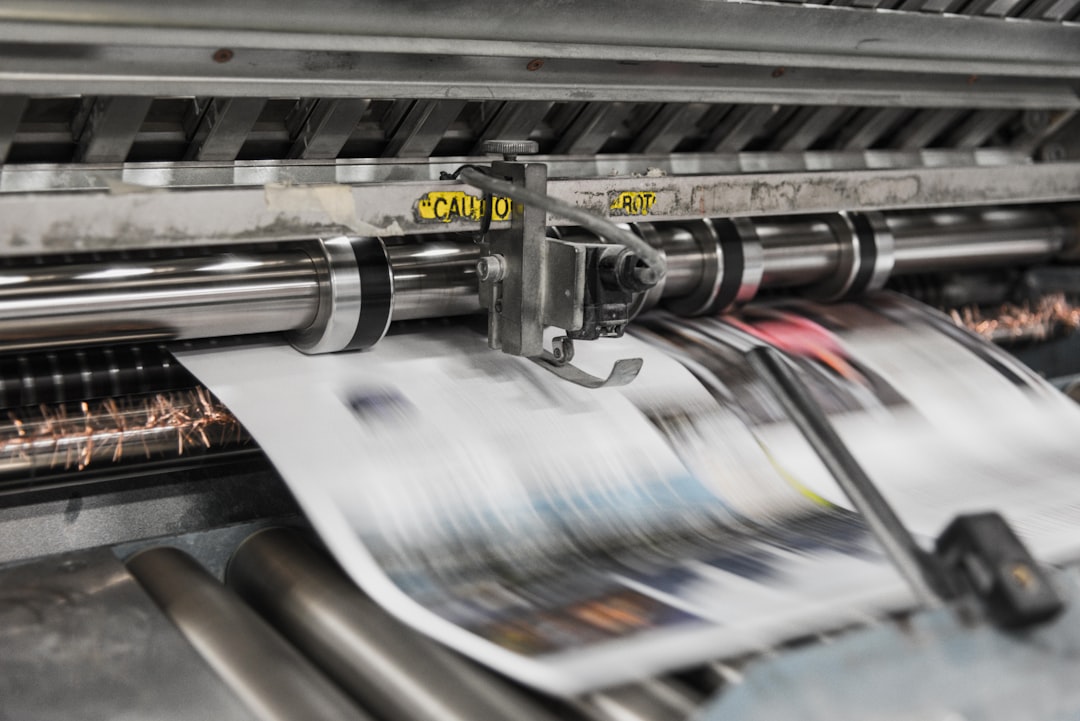
When image projects move from “a folder of nice photos” to a client-ready print deliverable, the process gets complicated fast. Teams need a way to gather assets, review selections, approve edits, protect rights, and keep everyone aligned without drowning in file versions or endless email threads. That is exactly where shared photo albums, cloud photo storage, and structured approval workflows make the difference. If you are building a smoother system for collaborators, creators, or clients, it helps to think of the workflow like a production line—and not just a place to dump images. For context on how modern teams organize distributed work, see navigating the shift to remote work and cloud vs. on-premise office automation.
The best workflows combine automatic photo upload, clean review loops, and permission-based sharing so each stakeholder sees exactly what they need. That means a photographer can upload once, an editor can sort selects, a brand manager can comment, and a print partner can prepare proofs—without the chaos of duplicate downloads and renamed files. The result is faster production, fewer mistakes, and a more professional experience for everyone involved. If you want to understand how structured collaboration creates better outcomes across teams, the principles align closely with collaborating for success and building successful teams.
1) Why shared album workflows matter for print projects
Shared albums reduce friction at the exact moment teams need speed
Print projects are usually more demanding than casual sharing because the images must be accurate, approved, and often licensed for a specific use. A shared album becomes the single source of truth: it holds originals, selects, retouch candidates, crop tests, and final print picks in one place. Instead of asking “Which version is final?” every person can work from the same live collection, which reduces costly errors before production begins. In practice, this prevents the classic problem of someone exporting an older image or a low-resolution screenshot and sending it to print.
Creators and publishers also benefit because review happens in context. Comments sit next to the image, selections are visible to the whole team, and everyone can track progress without searching through chat history. If your team has ever lost time assembling assets from shared drives, email attachments, and DMs, the value of centralized collaboration is obvious. Similar workflow thinking appears in automated reporting workflows, where the key win is not just saving time but creating repeatable consistency.
Print production is sensitive to version control
When images are used for posters, reprints, or art prints, tiny changes matter. A slight crop shift can cut off important details, a color correction can change the mood, and a file exported at the wrong resolution can degrade print quality. Shared albums help teams preserve version history so the approved image is easy to identify. That protects the production pipeline from “final_final_v7” confusion and makes internal approvals much easier to audit later.
This is especially important for influencer collaborations or branded campaigns where multiple parties must sign off. Marketers want consistency, legal teams want usage compliance, and creative teams want visual integrity. A well-run album workflow gives each group a controlled space to review without exposing everything to everyone. That same balance of speed and control is a recurring theme in compliance-focused communication strategy and creator brand protection workflows.
Good collaboration improves the final printed product
Better image collaboration does not just save time; it improves the quality of the finished print. When stakeholders review together, they catch composition issues, missed blemishes, inconsistent tones, or weak image selection earlier in the process. That leads to stronger posters, cleaner reprints, and more polished photo products. The process also helps teams choose images that work in the physical world, where lighting, paper stock, and size can alter how a photo feels compared to screen viewing.
Pro Tip: Treat the shared album as your pre-press room. If an image would not survive a final proof review, it should not move to print.
2) The core workflow: upload, organize, review, approve, print
Step 1: Centralize uploads automatically
The first rule of a reliable print workflow is to stop scattering assets across devices. Use a photo backup service with automatic photo upload so every new capture is safely stored and searchable before the team starts reviewing. This is especially useful for creators working across phones, cameras, tablets, and desktops because the upload process happens in the background while the team focuses on decisions. For teams that rely on a lot of incoming content, this is similar to how live sports feeds and security sandboxes centralize data before action.
Centralization also protects against accidental deletion and device failure. If a creator loses the original camera roll but the cloud photo storage has already captured everything, the project can keep moving. That is not just a convenience feature; it is a project continuity strategy. For publishers and client-facing teams, the ability to restore images quickly often determines whether a deadline is missed.
Step 2: Organize by project, not by randomness
Strong photo organization tools matter because shared albums become messy when everything is dumped into one giant folder. Organize by campaign, client, event, deliverable, and status. A useful structure might look like: “Client Name → Spring Print Series → Selects → Approved → Proofs.” This makes it easy for editors and collaborators to locate what they need without digging through a general archive.
Think of organization like cataloging for a library rather than a garage. A useful frame here is the same principle behind organizing your inbox: if the structure matches how people actually work, not how files accidentally arrive, the whole system becomes faster. Tagging, star ratings, and simple naming conventions are often enough to prevent chaos. The best systems are not the most complex; they are the ones the whole team can follow consistently.
Step 3: Review in cycles, not in chaos
Approval workflows should be cyclical and explicit. A practical structure is: upload round one, shortlist round two, annotated review round three, and final approval round four. Each round should have a clear owner and a deadline so the project keeps moving. Without this structure, comments arrive in fragments across multiple channels and nobody knows which image set is actually approved.
For influencers and publisher teams, review cycles are especially useful because they prevent over-editing. A brand partner may want one version for social, another for print, and a third for licensing, and each use case can trigger different feedback. This is where storytelling discipline helps: the print set should serve the narrative, not fight it. When the team agrees on the goal of each round, decisions become faster and more strategic.
Step 4: Lock approval before print production
The final approval stage should be impossible to miss. Mark the approved images clearly, archive the rejected alternatives, and store print specs alongside the final files. If a printer needs bleed settings, crop ratios, paper choices, or CMYK adjustments, those details should live in the same project record. A clean sign-off process reduces back-and-forth and prevents last-minute production errors.
In mature teams, approval is not just a thumbs-up. It includes confirming image rights, confirming output dimensions, and confirming who authorized the final file. That matters when you are producing branded prints, limited-edition posters, or paid client galleries. It also aligns with the discipline discussed in quality control in renovation projects, where the finish line depends on systematic checking rather than intuition alone.
3) Choosing the right sharing model: private links, albums, or client galleries
Private photo sharing links are ideal for fast, controlled review
Private photo sharing links work best when you want quick access without turning the project into a public gallery. They are especially useful for one-off client reviews, agency approvals, and family or influencer teams that need temporary access. A private link can be shared with a specific group, then updated or revoked if the project changes. That makes it one of the safest ways to move quickly while still protecting privacy.
However, private links should be paired with expiration dates or permission rules whenever possible. A link that never expires can become a security problem if it gets forwarded beyond the intended audience. Good systems allow view-only access for some people, comment access for others, and download access only for the production owner. This kind of access control is closely related to the trust principles outlined in AI transparency and trust.
Photo gallery for clients: more polished, more persistent
A photo gallery for clients is a better fit when the project will go through multiple review rounds or when presentation quality matters. Compared with a basic link, a client gallery usually feels more branded, more organized, and easier to navigate. That matters for influencers, agencies, photographers, and publishers because the gallery becomes part of the experience, not just a file handoff. A polished gallery can reinforce professionalism and reduce friction before the client even starts reviewing.
Client galleries also help maintain momentum. Instead of emailing zip files or scattered screenshots, the client sees one consistent destination for picks, revisions, and final approvals. The more polished the experience, the less likely stakeholders are to get lost in the process. This is similar to why presentation quality matters in digital marketing: the way content is wrapped shapes how seriously it is taken.
Shared albums are best for collaborative teams
Shared photo albums are the most flexible format when many people need to contribute, comment, or review over time. They are especially strong for campaigns with multiple creators, family collections with several contributors, and editorial teams handling recurring print projects. In this model, everyone does not need full control, but everyone can participate meaningfully. That balance prevents bottlenecks without losing oversight.
For example, a creator may invite a photographer, a stylist, and a print coordinator into the same shared album. The photographer uploads raw selects, the stylist flags which images match the campaign aesthetic, and the print coordinator marks which files meet technical requirements. This is a simple but powerful way to turn isolated feedback into coordinated production. In many ways, it mirrors the collaborative coordination seen in hospitality operations and pop-up workshops, where success comes from shared context and timely action.
4) Permission settings that protect privacy, rights, and brand control
Who can view, comment, download, and share?
Permission settings are the foundation of trustworthy collaboration. At minimum, a good workflow should allow separate control over viewing, commenting, downloading, and sharing. A client may only need to view and comment, while an internal editor may need download access, and a printer may only need access to the final approved files. The more precisely permissions match job roles, the less risk there is of accidental leaks or wrong-file use.
This matters beyond convenience. Influencers and publishers often manage images with usage restrictions, licensing terms, or embargo dates. If the wrong person can download or redistribute files, the business can run into contractual or reputational trouble. In the same way that companies carefully plan digital operations in cost-transparency environments, image teams need transparent access rules that they can explain and audit.
Access should be temporary where possible
Temporary access is one of the simplest ways to reduce risk. Grant access for the duration of the review window, then revoke it once the project is approved or printed. This is especially useful for external contractors, short-term collaborators, and print vendors who only need files for a limited phase. Temporary access also keeps archives cleaner because old links do not keep floating around indefinitely.
A strong practice is to assign access by project stage. During review, collaborators can comment but not download final print assets. During production, the print vendor receives the approved files plus specs. After delivery, the link can be archived or removed. That staged approach keeps projects secure while still allowing efficient handoffs.
Licensing and ownership should be documented in the album
Even the best sharing system can fail if licensing is unclear. Every album that will support print or commercial use should include ownership notes, model releases, usage rights, and expiration terms where relevant. If an image is licensed for digital use only, it should not accidentally enter the print queue. The album itself should act like a light legal record, not just a photo shelf.
This is where professional teams gain a major advantage over casual workflows. By attaching usage notes directly to the image set, they avoid disputes and protect both creators and clients. For a deeper look at rights and responsible image use, reference the legal landscape of image generation and brand protection tools for creators. If the goal is to sell or publish prints with confidence, rights clarity is not optional.
5) A practical comparison: workflow options for teams and collaborators
Not every project needs the same setup. A quick social campaign, a family photo book, and a gallery print release have very different needs. The table below compares common collaboration models so you can match the workflow to the project.
| Workflow Type | Best For | Strengths | Risks | Ideal Permission Setup |
|---|---|---|---|---|
| Private photo sharing link | Fast client review | Simple, quick, low-friction | Can be forwarded if unmanaged | View-only, expiring link |
| Shared photo album | Ongoing team collaboration | Centralized comments and uploads | Can get cluttered without structure | Comment access for collaborators, download for editors |
| Photo gallery for clients | Professional presentations | Branded, organized, repeatable | Needs careful curation | View and comment, limited download |
| Internal proofing folder | Pre-print approval | Best for technical review | Can be too opaque for clients | Restricted access, edit by owner only |
| Final approved archive | Long-term storage | Secure record of final assets | Not good for live feedback | Owner-only or read-only access |
The right model often changes as the project progresses. Many teams start with a shared album for exploration, then move to a client gallery for presentation, then lock final files into a protected archive after approval. That layered approach keeps collaboration fluid without compromising control. It is also a useful pattern for teams managing recurring work, much like structured operations discussed in startup survival toolkits and budget laptop buying strategies, where the right tool depends on the stage of work.
6) How print teams prevent mistakes before the press starts
Use review checkpoints for technical readiness
Before anything goes to print, the team should confirm resolution, crop, color space, bleed, and intended output size. These are not glamorous tasks, but they are the difference between a professional print and an expensive reprint. Shared albums work well here because technical comments can be attached directly to the relevant image. When everyone can see the same proof version, it is much harder for issues to slip through.
A practical rule is to use one review checkpoint for creative selection and another for production readiness. This prevents the team from mixing aesthetic preferences with technical corrections. If the image looks great but fails the print requirements, it should remain in review until the issue is fixed. That discipline reduces risk and saves time.
Keep a “print-ready” status separate from “approved”
Approval and print-readiness are related, but they are not always the same. An image may be approved by the client but still need cropping, retouching, or file conversion before printing. If your workflow treats these as one status, production can become messy because team members assume the file is finished when it is not. Separate labels—such as “Approved,” “Print-ready,” and “Archived”—make the workflow much easier to manage.
This distinction is helpful for large libraries too. It lets teams search by outcome rather than by file history, which is one of the most effective photo organization tools techniques for busy creators. Strong metadata can save hours when a print run needs to be repeated or updated. In operational terms, clarity at the status level is often more valuable than more folders.
Build a proofing habit around the actual medium
One of the most common mistakes is approving images only on a phone screen. A phone can hide crop problems, color shifts, and texture issues that will become obvious in a poster or art print. Teams should preview images at realistic sizes or use calibrated screens and sample proofs when stakes are high. The closer the proof is to the real medium, the more reliable the final result will be.
Pro Tip: If the project will be printed large, review it at large scale. A beautiful thumbnail is not the same thing as a beautiful poster.
7) How influencers and creators use collaboration tools to scale output
Turn collaborators into a controlled production network
Creators increasingly work like mini media companies. A campaign may involve a photographer, editor, assistant, brand manager, social lead, and print vendor, all contributing at different points. Collaboration tools help turn that distributed network into a repeatable system, especially when each person has a clearly defined role. Shared albums make it possible to move from shoot to selection to print without re-explaining the project each time.
This is particularly useful for influencers who sell prints, deliver branded photo packs, or create premium visual assets for followers and sponsors. The same image set can support social posting, editorial use, and physical products if the permissions and review steps are managed carefully. For creators who want better audience engagement around major releases, the logic is similar to award-season audience strategy: timing, packaging, and presentation all matter.
Use shared albums to create faster client responses
When clients receive a curated album instead of a pile of attachments, they respond faster because the decision is easier. They can review selections in order, comment on specific images, and see the project’s direction at a glance. That translates into fewer revision cycles and less confusion over which photo is being discussed. For agencies and influencer teams, faster feedback often means faster delivery and better cash flow.
Creators can also use albums to present options strategically. For example, group images by “hero shot,” “backup composition,” and “print candidate” so clients understand the recommendation rather than making random picks. This is a subtle but powerful form of guidance that improves outcomes. Similar decision support appears in decision-checklist style content—except here, the “best option” is the image that performs best in print.
Scale without losing consistency
Once a creator has one reliable shared-album workflow, it becomes much easier to reuse it across future projects. Standard album templates, recurring label systems, and preset permission rules allow the same team to handle more work without more stress. This is especially important for print projects because each extra round of clarification costs time and money. Standardization is what turns collaboration from improvisation into operations.
For reference, this is the same reason businesses invest in structured systems in tech trend planning and scale-threshold strategy. Once volume rises, the absence of process becomes the bottleneck. In image production, that bottleneck usually shows up as delays, duplicates, and miscommunication.
8) A field-tested setup for smoother print project production
Recommended workflow stack
A practical team setup does not need to be complicated. Start with automatic backup, then layer in project folders, a shared review album, private links for external reviewers, and a final archive for approved print assets. This gives each stage a purpose and prevents the most common failure points. The stack should be simple enough that new collaborators can understand it in one short onboarding call.
For teams looking for scalable habits, this structure pairs well with lessons from cross-platform product development and budget tech setup decisions: choose tools that fit the workflow, not the other way around. You do not need every feature turned on, but you do need a system that supports the entire life cycle from capture to print.
What to standardize first
Do not begin by over-engineering permissions. Start with the basics: naming conventions, folder structure, review timing, and final approval labels. Then add sharing rules that match your team size and client sensitivity. Standardization at the beginning prevents costly rework later, and it makes onboarding new collaborators much easier.
A strong standard might say: all uploads go into a project album, all client feedback is recorded as comments inside the album, all final selections are tagged “approved,” and all print-ready files are stored in a locked archive. That is enough structure for most teams to move quickly while staying organized. Once that baseline is stable, advanced rules like watermarking, expiry links, and role-specific access can be added on top.
How to measure success
You will know the workflow is working when revision cycles shrink, fewer files are lost, and approvals happen in fewer back-and-forth messages. Another good sign is that collaborators can re-enter a project weeks later and still understand what happened. That kind of continuity is the hallmark of a mature system. The goal is not just to store photos, but to preserve momentum from shoot to print.
If your team wants a benchmark, track time from upload to approval, number of revision rounds, and the rate of print errors or reprints. Those metrics tell you whether the collaboration model is helping or hurting production. Over time, they also show which projects need tighter permissions or stronger review steps. In that sense, workflow is not just an operations issue; it is a quality issue.
9) Common mistakes teams make with shared albums
Giving too many people too much access
One of the biggest mistakes is granting full access to everyone by default. That creates confusion, increases risk, and often leads to accidental edits or downloads of unfinished files. Instead, assign roles based on actual responsibilities and limit access to what each person needs. This is especially important when collaborators include clients, freelancers, assistants, and printers in the same project.
Too much access also undermines accountability. If everyone can change everything, nobody knows who approved what. A well-designed shared album respects the principle of least privilege, which is a simple but powerful way to keep projects safe and clear. It also makes the final archive far easier to trust.
Not separating inspiration from final assets
Creative teams often mix mood boards, raw selects, test edits, and production files into one pile. That feels efficient at first, but it becomes a problem when someone mistakes a reference image for the approved print file. The best practice is to separate inspiration, review, and final production into different folders or statuses. This keeps the project readable even as it grows.
It helps to think of inspiration as the sketchbook, review as the critique room, and final files as the press-ready package. Each stage has a different purpose and should have different access rules. When teams honor those differences, they reduce mistakes and improve the quality of the final product.
Skipping documentation for rights and usage
Many teams assume that because an image is in the album, it is safe to print. That is not always true. Ownership, licensing, model releases, and territorial restrictions need to be documented somewhere visible before files move into production. If not, a team may print something that should have stayed digital only.
Documentation does not need to be burdensome. A short note attached to the album, plus a final approval checklist, is often enough. The important thing is that rights information is easy to find at the moment decisions are made. That prevents errors that are much more expensive to fix after printing.
10) The future of collaborative image workflows
More automation, less manual chasing
The direction of travel is clear: more automation, better permissions, and smarter handoffs. Teams will increasingly rely on systems that auto-back up uploads, surface duplicates, suggest tags, and streamline approvals. That means less time spent chasing files and more time spent making strong visual decisions. For creators and publishers, that shift is a competitive advantage.
Automation also creates consistency across projects. If the same rules apply every time someone uploads or approves files, the workflow becomes more reliable and easier to train. This is the same logic that drives modern operations in tools and platforms across industries. The future of image production is not chaos with better storage; it is structured collaboration with less manual overhead.
Stronger client experiences will become a differentiator
Clients increasingly judge not just the final print, but the process of getting there. A polished gallery, clear permissions, and predictable review loops can make a creator or agency feel premium before the final file is even delivered. That experience matters, because the smoother the collaboration, the more likely clients are to return. In a crowded market, process quality can be as important as image quality.
Teams that invest in better collaboration tools now will have an easier time scaling later. They will spend less time cleaning up workflows and more time creating images people actually want to print, display, and share. That is the real payoff: a production system that supports creativity instead of slowing it down.
FAQ: Shared albums and team workflows for print projects
1) What is the best way to share images with a client for print review?
The best method is usually a branded photo gallery for clients or a private photo sharing link with limited permissions. If the project is simple and short-lived, a secure private link works well. If the project needs multiple review rounds, a client gallery provides a cleaner and more professional experience. The key is to control view, comment, and download permissions based on the client’s role.
2) How do shared photo albums help with approval workflows?
Shared photo albums keep all selections, comments, and revisions in one place, which makes approval cycles easier to manage. Instead of feedback being split across email and chat, everyone can comment directly on the relevant image. That reduces confusion, improves accountability, and speeds up final sign-off. It is especially useful when several stakeholders need to review the same print project.
3) Should print-ready files be stored in the same album as raw uploads?
Usually, no. Raw uploads and final production files serve different purposes, so it is better to separate them or label them clearly by status. Keeping them apart prevents people from accidentally using the wrong version. A good workflow uses one area for exploration and another for approved, print-ready assets.
4) What permissions should I set for collaborators?
Give collaborators only the access they need. Most reviewers should have view and comment access, while only trusted editors or production leads should be able to download final files. External vendors should receive temporary access, ideally limited to the files they need for the project stage. This protects privacy and reduces the chance of unwanted file sharing.
5) How can I prevent print errors from slipping through?
Use a two-step review process: first for creative selection, then for technical print readiness. Confirm resolution, crop, color space, and bleed before sending files to the printer. It also helps to review images at realistic print sizes rather than only on mobile screens. Finally, keep the approved version clearly labeled so there is no confusion at handoff.
6) What is the biggest mistake teams make with shared albums?
The biggest mistake is using one messy album for everything without role-based permissions or clear status labels. That leads to confusion, version mix-ups, and unnecessary rework. A structured workflow with defined stages, naming conventions, and approval checkpoints is much easier to manage and far safer for print production.
Related Reading
- Navigating the Shift to Remote Work in 2026 - Useful for understanding distributed collaboration habits that carry over into image workflows.
- Cloud vs. On-Premise Office Automation - A helpful framework for choosing centralized systems over fragmented ones.
- Best Budget Laptops to Buy in 2026 - Relevant if your team is upgrading devices for editing and proofing.
- The Legal Landscape of AI Image Generation - Good reading for image rights, usage, and responsible publishing.
- Building a Live Sports Feed for Fantasy Platforms - A strong example of centralized data flow and real-time updating.