Cultural events such as major film releases, trending television shows, and iconic pop culture phenomena are more than just entertainment—they are powerful catalysts that reshape markets and open up significant market opportunities for artists and content creators. Leveraging these events effectively can dramatically boost art sales and foster meaningful fan engagement. This definitive guide explores how artists, influencers, and publishers can harness the momentum of cultural events to create compelling work, engage audiences, and convert attention into profitable art prints and merchandise.
1. Understanding Cultural Events as Market Drivers
Defining Cultural Events
Cultural events are moments or phenomena that captivate public attention and influence societal conversations. Examples include major film premieres, popular TV shows, music festivals, or global conventions. These events often create fan communities and trending topics ripe for artistic interpretation.
The Economic Impact of Cultural Events
Beyond entertainment, cultural events contribute significant economic activity—from merchandise to experiential marketing. For instance, blockbuster film releases often dominate consumer spending on licensed products, subsequently increasing demand for related art prints and collectibles. Recognizing how these waves of attention create opportunities is key for artists aiming to monetize their creations.
Why Content Creators Should Pay Attention
Creators and artists are uniquely positioned to quickly pivot and capitalize on trending cultural moments. Because of their agility and direct connection with fans, creators can produce relevant work for clients or collectors that big retailers or studios may be slower to market. Platforms enabling quick creation, sharing, and printing amplify this advantage.
2. How Film Releases Influence the Art Market
Film as a Catalyst for Visual Art
Films often inspire passionate audiences eager for visual tributes—think concept art, fan posters, or collectible prints. For example, films from directors like Guillermo del Toro create rich worlds that artists draw upon, turning their interpretations into sought-after memorabilia. Our detailed exploration of this trend highlights how such artists leverage film hype to market their work.
Timing the Market: Aligning Releases and Art Drops
The timing of releasing artwork concurrent with or immediately following a film release is critical. Consumers’ heightened emotions and excitement maximize purchase intent. Artists can benefit by carefully planning their production and promotional schedules to align with the film’s marketing calendar.
Licensing and Copyright Considerations
While cultural events offer vast creative potential, navigating licensing is essential. Content creators should understand fair use boundaries and when to seek permissions, especially if monetizing work based on copyrighted media. Establishing clear permissions helps maintain credibility and avoid costly legal pitfalls.
3. Trending Shows as Continuous Market Drivers
Television’s Long Tail Effect
Unlike films, TV shows build sustained engagement through episodic releases, cultivating lasting fanbases. Shows like those on streaming platforms have global reach and create communities that continually seek new visual content, from character fan art to thematic prints. This prolonged exposure translates into ongoing sales opportunities.
Utilizing Fan Culture and Online Communities
Shows often spur vibrant online communities that actively share art and merchandise. Engaging with these groups through social media or collaborative albums can increase visibility and sales. For example, platforms that support collaborative photo sharing and printing help creators streamline sharing and monetization seamlessly—much like described in guides for content sharing and client engagement experiences.
Case Study: TikTok Bits for Promoting Art Inspired by Shows
Short, engaging video clips spotlighting fan art or behind-the-scenes look at the creative process can rev up anticipation and reach. TikTok is powerful here, as evidenced by campaigns such as TikTok Bits: 10 Bite-Sized Clips to Promote a West End Play, illustrating how creators promote show-inspired works effectively.
4. Capturing Fan Engagement to Drive Sales
Building Authentic Connections
Fans crave authenticity. Artists who share stories behind their work, detailing inspirations and creative techniques—such as through virtual workshops or Q&A sessions—build trust and loyalty. This deeper connection increases willingness to purchase art prints or commissions.
Leveraging Collaborative Albums and Shared Experiences
Utilizing cloud platforms that enable easy collaborative photo sharing and album creation helps gather input from fans and co-create experiences. This not only enhances engagement but can lead to unique limited-edition prints or merchandise based on communal inspiration, a strategy that blends organization and sharing for creators and families alike.
Offering Exclusive Limited Editions
Scarcity drives demand. Limited-edition prints linked to cultural events, especially when tied to exclusive fan experiences or signings, can command premium prices. Artists should consider print runs carefully, balancing exclusivity with availability.
5. Creating and Marketing Art Prints with Cultural Relevance
Selecting the Right Medium and Format
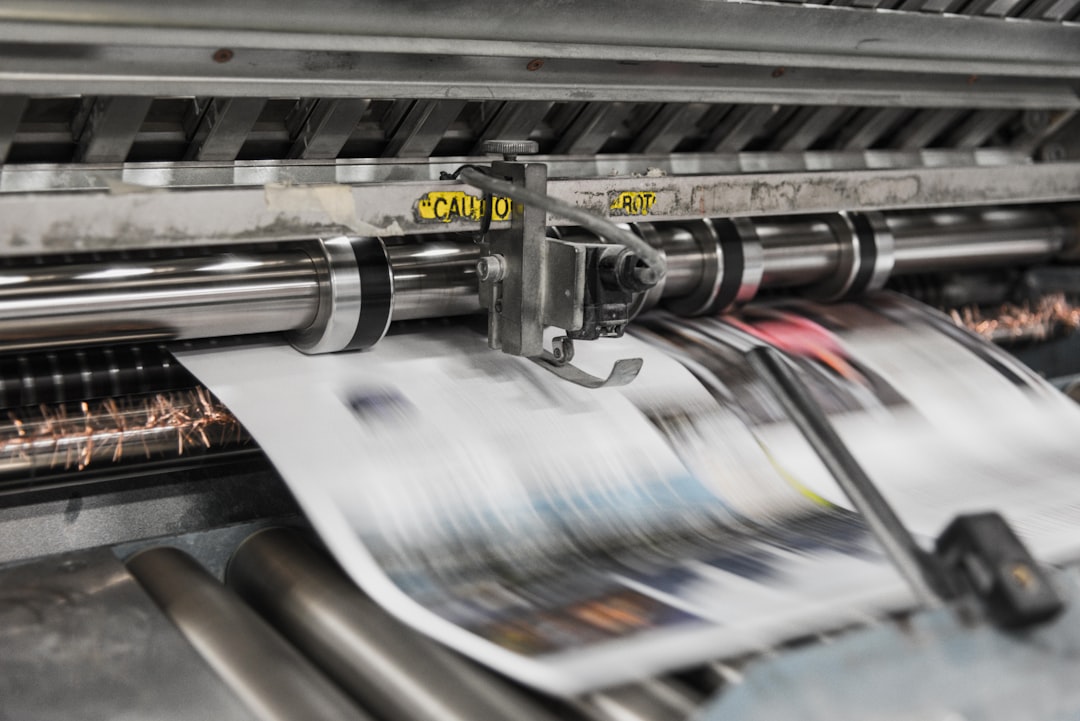
Art prints come in many forms: posters, canvas prints, photo reproductions, each appealing to different segments. Creators should tailor their format based on the target audience and event type. For instance, vibrant posters might appeal to younger fans, while high-quality archival prints attract serious collectors.
Mastering Quality Without Breaking the Bank
Affordable, quality printing services that integrate cloud-based uploads and streamlined order fulfillment help creators optimize margins. Our small business printing guide offers tips on leveraging affordable printers and coupons, enabling sustainable pricing strategies.
Promotional Strategies for Print Sales
Strategic promotions aligned with event milestones—like release dates or finale episodes—heighten urgency. Bundling prints with digital downloads or offering pre-orders can further entice buyers. Additionally, social media campaigns featuring impactful visuals and fan testimonials bolster trust.
6. Leveraging Online Marketplaces and Fan Platforms
Choosing the Right Distribution Channels
Artists can sell via specialized market platforms known for supporting independent creators or through general outlets. Selecting channels that allow detailed product customization, brandable client experiences, and control over licensing aligns best with creator needs.
Integrating Seamless Cloud Services for Backup and Fulfillment
Adopting an all-in-one cloud photo service—combining automatic backup, sharing, and on-demand printing like those popular with families and content creators—ensures security and speed in delivering print products. This strengthens client trust and improves workflow efficiency.
Partnering with Influencers and Fan Pages
Collaborations with influencers who share cultural event enthusiasm multiply reach. Joining forces for giveaways or co-created content taps into wider audiences and adds credibility. Best practices include clear licensing terms and mutual promotion.
7. Harnessing Data and Analytics for Strategic Advantage
Tracking Trends and Audience Insights
Monitoring search trends and social media chatter around events helps in anticipating demand spikes and adjusting inventory or marketing. SEO for niche crafts, as explained in SEO for niche craft coverage, offers frameworks seriesly relevant to artistic niches catering to cultural moments.
Optimizing Product Offerings Using Sales Metrics
Analyzing which artworks, sizes, or mediums perform best during event cycles refines future production. For example, monitoring limited-edition print sales will inform timing and quantity choices to maximize revenue.
Implementing Feedback Loops for Creation Improvement
Artist-fan interaction tools and surveys post-events provide vital feedback. Adjustments based on consumer input improve satisfaction and encourage repeat purchases, fostering long-term audience growth.
8. Case Studies: Successful Art Ventures Around Cultural Events
Guillermo del Toro Memorabilia
A notable example is how artists created and sold Guillermo del Toro memorabilia, focusing on his films’ aesthetic and fandom. This venture capitalized on the event buzz, offering sketches, prints, and collectibles that resonated with enthusiasts worldwide.
Sellable Football Art Inspired by Stats
Another inspiring case involves the conversion of football statistics into limited-edition prints and custom art as described in Sellable Football Art. This combines cultural sports events timing with art sales strategies, demonstrating cross-niche potential.
TikTok Clips Boosting Art from Theatrical Events
The use of TikTok shorts, outlined in TikTok Bits, shows how bite-sized promotions revive interest and drive rapid art sales linked to stage shows.
9. Practical Steps for Artists to Launch Event-Driven Campaigns
Research and Identify Relevant Events Early
Proactively track upcoming cultural releases through official schedules or fan forums. Early research enables preparatory design and marketing plans critical to success.
Create a Content Calendar that Syncs With Events
Align your creation, production, and promotional milestones tightly with the event’s timeline. This ensures maximum visibility at peak fan interest.
Utilize Cloud Tools for Backup and Collab
Store and organize creations using platforms supporting automatic backups and easy sharing. This secures your work and enables fast client delivery, similar to principles discussed in secure large file transfer workflows.
10. Overcoming Challenges in Event-Driven Art Sales
Managing Copyright and Licensing Risks
Consult legal experts or utilize licensing platforms to ensure compliance. Prioritize original interpretations or derivative works within legal limits.
Handling Production and Logistics Delays
Work with reliable print-on-demand providers or set realistic timelines to avoid shipment setbacks during high-demand seasons.
Navigating Market Saturation and Competition
Differentiation through unique style or limited runs can help stand out. Engage your audience continuously instead of relying solely on event timing.
FAQ: Capitalizing on Cultural Events with Art
What types of art resonate best with cultural events?
Fan art, limited-edition prints, original interpretations, and merchandise linked to event themes typically perform well, especially when timed with the event lifecycle.
How can artists avoid copyright infringement when using film or TV themes?
Focus on transformative works, seek licenses or permissions where necessary, and stay informed about fair use doctrines and IP laws.
What digital tools help streamline the art sales process?
Cloud-based photo services for backup, sharing, and on-demand printing facilitate seamless production and distribution. Social media and video platforms aid promotion.
How do artists measure success after launching event-based art?
Track sales metrics, social media engagement, and direct feedback to evaluate sales performance and inform future campaigns.
Can limited-edition prints created around cultural events appreciate in value?
Yes, scarcity and cultural relevance can drive appreciation, especially when linked to popular or iconic moments. Proper documentation and artist credibility also affect value.
Comparison Table: Print Formats for Cultural Event Art
| Print Type | Best For | Price Range | Durability | Typical Audience |
|---|---|---|---|---|
| Poster Prints | Mass market, vibrant fan art | $10–$30 | Moderate | Casual fans, younger audiences |
| Canvas Prints | Gallery-style, premium reproductions | $50–$150 | High | Collectors, dedicated fans |
| Archival Photo Prints | Fine art collectors, limited editions | $100–$500+ | Very High | Serious collectors |
| Digital Prints (Downloadable) | Instant access, digital lifestyle art | $5–$50 | N/A (digital) | Global and tech-savvy audience |
| Merchandise Prints (T-shirts, Mugs) | Branded fan items | $20–$60 | Moderate | Fans preferring wearable art |
Pro Tip: Align your art drops exactly with key moments in cultural event timelines—premieres, season finales, or key festival dates—to capture peak audience interest and maximize sales impact.
Conclusion
Capitalizing on cultural events requires artists and content creators to blend market awareness, creative agility, and strategic promotion. By understanding how film releases and trending shows serve as market opportunities, artists can tailor their workflows to engage fans authentically, optimize art sales, and build sustainable creative careers. Utilize cloud-based backup and print-on-demand technologies to streamline production and delivery, and constantly monitor audience trends for continued growth.
Related Reading
- TikTok Bits: 10 Bite-Sized Clips to Promote a West End Play - Discover how short-form clips can boost engagement around theatrical events.
- SEO for Niche Craft Coverage: How to Rank When Covering Lacquerware and Other Slow Crafts - Master search SEO to amplify your niche art presence.
- Small Business Printing on a Budget: How to Use VistaPrint Coupons for Maximum Savings - Save on print production costs without sacrificing quality.
- Guillermo del Toro Memorabilia: From Sketchbooks to Academy Buzz—What’s Hot Right Now - A case study in capitalizing on film-related art.
- Securely Transfer Large Video Files Between iPhone and Android Using RCS E2E — Practical Workflow - Learn tools to ease collaborative content sharing for creators.