Visual vs. Auditory: Creating Multi-Sensory Art Experiences Inspired by Music
How do you make a printed image hum? This deep-dive guide teaches artists and creators how to design evocative print works that feel like music — inspired by genre-blending musicians like Ari Lennox — and turn them into tactile, shareable, sellable pieces. Expect step-by-step methods, technical specs for print, legal and workflow notes, and real creative exercises to build your multi-sensory practice.
Introduction: Why Multi-Sensory Art Matters
The power of cross-sensory memory
Multi-sensory experiences strengthen emotional memory. The same way a song can transport a listener to a moment, a printed work that evokes sound can trigger similar recall and feeling. Research in psychology shows that multisensory cues increase recall and engagement — when visual cues imply rhythm or timbre, audiences often report a stronger emotional response. For creators this means prints can be engineered to feel like a song.
Music as a blueprint for visual storytelling
Musicians who blend genres — combining R&B warmth with jazz phrasing or neo-soul textures — create layered listening experiences. Visual artists can borrow those layering strategies in composition, color, and surface treatment. Drawing inspiration from the "future of sound" and artists who experiment with timbre and breath, you can design visuals that mimic dynamics, register shifts, and genre blending (exploring the future of sound).
Creators need to plan for rights and access
When your prints reference music or pair directly with tracks, be mindful of rights. Keep up with changes in policy — especially if your work incorporates audio clips, lyrics, or artist partnerships — by reading resources on upcoming music legislation and practical guides to music-related law (navigating music-related legislation).
Section 1 — What Visual Artists Can Learn from Genre-Blending Musicians
Study the structure: verses, choruses, bridges
Think of a composition’s visual rhythm like song structure. Use repeating motifs as verses, a contrasting central panel as the chorus, and a transitional element as a bridge. Studying album arrangements and live performance pacing (for example, accounts of surprise shows and how performers build tension and release) can inform tempo changes in your visual pieces (pop culture & surprise concerts).
Texture and timbre: translating sound color to surface
Musical timbre — the difference between a saxophone and a velvety vocal — maps to surface choices in print (glossy vs. matte, smooth vs. textured). Use layered media, varnishes, or embossing to suggest ‘bright’ or ‘mellow’ sonic qualities. Artists who read across performance and visual arts use these analogies to strengthen conceptual cohesion; similar cross-pollination appears in projects that pair unexpected fields, like sport and jazz (UFC meets jazz), showing how contrast can heighten presence.
Genre-blending as a design strategy
Ari Lennox’s blend of soul, R&B, and contemporary textures is a model: combine classic visual motifs with modern techniques. Look at how other creators break conventions to expand audiences — from music to gaming culture — and borrow the same audacity to mix unexpected visual genres (breaking barriers in genre influence).
Section 2 — Visual Techniques for Evoking Sound
Color as frequency
Map pitch ranges to color families: higher frequencies to lighter, more saturated tones; lower frequencies to muted, dense hues. Use color gradients to indicate pitch movement and shifts. This codified mapping helps viewers 'read' an implied melody across a print's surface and is useful when creating series work that follows an album's tracklist.
Rhythm through repetition and spacing
Elements repeated at regular intervals suggest a steady beat; irregular spacing implies syncopation. Use grid systems and measured negative space to create visual metronomes. These choices are especially powerful in large-format murals or poster prints meant to be experienced at a distance.
Dynamics via contrast and material
Contrast — light/dark, gloss/matte, or thin/heavy stroke — functions like dynamics (piano to forte). Consider using metallic inks or spot varnish for climactic moments, and soft cotton rag paper for intimate, quiet passages. Combining texture and contrast is how you make a print 'crescendo' or 'decrescendo'.
Section 3 — Translating Vocals & Instrumentation into Print
Melody as line work
Translate vocal lines into gestural marks: sweeping curves for legato phrases, staccato dots for punctuated notes. Overlaying semi-transparent layers can mimic vocal harmonies and backing instrumentation. Use halftones, grain, and transparent inks to simulate density and harmonic richness.
Timbre through mixed media
Different instruments call for different materials. A brass reference might be best served with metallic inks or foils; a breathy vocal could be echoed with soft-paper stocks and diffused printing. Experiment with collaging fabrics, hand-painting, or adding thread to prints to craft an instrument-specific tactile sensation.
Arrangement & depth: foreground/backing choices
Position lead elements prominently for 'lead vocals' and relegate rhythmic patterns to background layers. Use drop shadows, embossing, or layered paper to create depth analogous to a multi-track mix. These spatial decisions give viewers the feeling of listening to an arranged song rather than a single sound.
Section 4 — Print Techniques and Materials That Mimic Sound
Paper stocks & their sonic analogues
Choose paper that supports your sonic metaphor: cotton rag for warm, enveloping tones; smooth coated for clarity and brightness; textured watercolor paper for organic, acoustic vibes. The tactile response of the paper is critical in how audiences 'hear' the print.
Special finishes and spot treatments
Spot UV, embossing, foils, and metallic inks behave like audio effects. Use them sparingly for accent beats or high-frequency highlights. Embossing can signal a bass line’s physicality; metallic foil can emulate shimmering high overtones.
Printing processes & fidelity
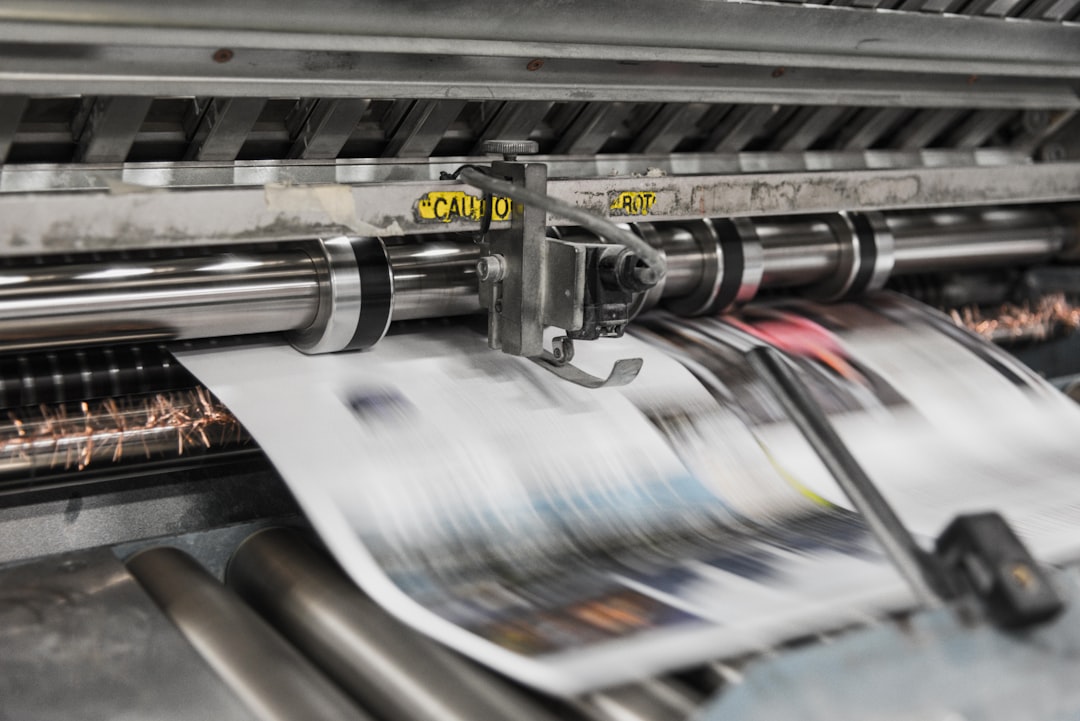
Offset press yields consistent color for large runs, while giclée provides high-fidelity color and tonal gradation for limited editions. Consider digital enhancements like variable-data print (for personalized album-visual pairings) and collaborative AR layers for interactive listening sessions. For technical workflow tips, see advice on maximizing your tools and process management (maximizing features in everyday tools).
Section 5 — Designing Prints for Listening Spaces and Events
Scale and viewing distance
Design prints to match the room's acoustic role. Listening rooms with ambient sound benefit from subtler, more detailed prints that reward close inspection. Large venue posters should use bold forms and high-contrast palettes to register from afar. Consider the venue's mood when choosing finishes — glossy surfaces reflect stage light differently than matte ones.
Color calibration and lighting
Profile your prints for typical venue lighting. Warm tungsten light can shift colors; calibrate proofs under the intended lighting conditions. Use soft-proofing and request press checks for crucial exhibitions to ensure the visual 'sound' matches your intent.
Installation & placement as part of the mix
Placement affects perceived rhythm: cluster works to create a visual chorus or space them for a walking, rhythmic experience. Entryways and lobbies are opportunities to set a sonic expectation — transform entrance areas with mats and floor prints that cue tempo and mood (transform your entryway).
Section 6 — Multi-Sensory Pairings: Sound, Scent, and Touch
Scent pairings and associative triggers
Pairing scent with prints deepens memory encoding. Match warm, low-register visuals to earthy scents; bright high-frequency designs to citrus or floral notes. There are creative precedents (even unconventional pairings like scent & sports rivalries) that show how scent reinforces narrative (scent pairings inspired by rivalries).
Providing tactile cues
Encourage touch where appropriate — textured inks, embossed surfaces, or pull-tabs that reveal hidden imagery — to add a physical rhythm. For gallery shows, provide swatches or tactile postcards so visitors can take a piece of the experience home.
Integrating audio: physical and digital
Use QR codes, NFC chips, or embedded speakers to link prints to tracks or playlists. For digital-first audiences, guide them from a printed piece to an immersive online audio-visual presentation. These digital bridges create layered experiences, combining print permanence with ephemeral sound.
Section 7 — Practical Workflow: From Inspiration to On-Demand Print
Documenting and organizing inspiration
Create a 'sonic sketchbook' that pairs audio clips with visual thumbnails and mood notes. Use digital tools and project management strategies that integrate note-taking and task flow to keep creative momentum (maximizing features in everyday tools).
From mockup to press-ready files
Work in CMYK with embedded color profiles, include bleed, use high-resolution TIFF or PDF/X-1a for press. Create layered PSD/AI files that keep the 'audio' elements (notations for dynamics, color maps, and texture overlays) intact for the printer. Consider giclée for limited editions, offset for runs, and specialty processes for accents.
Print-on-demand and fulfillment strategies
Leverage on-demand services for lower risk and global reach; plan editions for physical events. Use newsletter and distribution strategies to announce drops and paired listening events — practical promotion strategies can be learned from publishers maximizing newsletter reach (maximizing your newsletter's reach).
Section 8 — Legal, Privacy, and Creator Protections
Licensing music and sampling
If your print directly quotes lyrics or embeds audio files, obtain licenses. Where you sample an artist’s recording or integrate clips into an interactive print, clear synchronization and master rights where required. Review latest guidance for creators so you don’t jeopardize a release (what creators need to know about upcoming music legislation) and the primer on navigating music-related legislation (navigating music-related legislation).
Privacy and embedded tech
Interactive prints often use NFC, QR, or microchips that collect basic engagement metrics. Protect user privacy and be transparent about data collection. Learn device security principles from guides on wearable tech and data protection to prevent leaks associated with embedded technologies (protecting your wearable tech).
Contracts and collaborations
When collaborating with musicians, draft clear contracts that specify rights, revenue splits, physical/digital distribution, and reprint clauses. If you’re scaling, seek contract templates and local counsel to avoid disputes.
Section 9 — Case Studies & Creative Exercises
Case study: A genre-blend poster series
Imagine a four-print series inspired by an Ari Lennox-style record: Print 1 (intro) uses pale, airy palettes and soft-touch stock for vocals; Print 2 (mid-tempo) uses layered halftones for rhythm; Print 3 (bridge) introduces metallic foil for a high harmonic layer; Print 4 (closer) combines all treatments with embossing to simulate bass presence. Look at crossover cultural examples where spectacle and narrative mix to see how visuals amplify music experiences (Pharrell & Big Ben spectacle).
Exercise 1: Transcribe a track visually
Choose a 90-second song. Listen and mark structural changes, dynamic swells, instruments, and timbre shifts. Make a three-frame storyboard: verse, chorus, and bridge. Translate the audio marks into line, color, and texture in each frame. Repeat with a contrasting genre to practice cross-genre translation.
Exercise 2: Create a sensory postcard
Design a 5x7 postcard that includes a QR linked to a 30-second loop. Add a tactile finish and recommend a complementary scent strip at an event. Use this postcard to test audience reactions and track engagement through simple metrics.
Section 10 — Technology, Resilience, and Scaling Your Practice
Tooling and browser/workflow tips
Use tab and task management strategies to manage references, assets, and press contacts during a release. Mastering workspace tools and organization improves turnaround times and reduces errors (mastering tab management).
Operational resilience
Prepare for tech outages or supply chain delays by building redundancy — keep local backups of press-ready files and two printer contacts. Lessons from unexpected tech outages provide useful practices for creative resilience (lessons from tech outages).
Security best practices for embedded tech
If your pieces use smart tags or NFC, follow security guidance to prevent unauthorized access or data leaks. Treat NFC-enabled prints like IoT devices and secure them accordingly (protecting your wearable tech).
Comparison: Techniques, Sensory Goals, and Production Notes
Below is a compact comparison you can use as a quick reference when planning an edition or exhibition.
| Visual Element | Auditory Analogy | Print Technique | Recommended Paper | Estimated Time/Cost Impact |
|---|---|---|---|---|
| Soft gradients | Legato melody | Giclée with high-res inkjet | 100% cotton rag | Medium time / High cost |
| High-contrast blocks | Punctuated beats | Offset printing, spot varnish | Silk coated | Low time / Medium cost |
| Metallic accents | Shimmering overtones | Foil stamping | Heavy uncoated | High time / High cost |
| Embossed bass elements | Physical low-end | Blind embossing | Textured stock | Medium time / Medium cost |
| Interactive QR/NFC | Linked audio layer | Embedded NFC chips / QR print | Any — consider lamination | Low time / Low cost per unit |
Pro Tip: Test one variable at a time. Run small proof batches to see how a single change (paper or finish) shifts perceived sound. Think like a mix engineer: balance and subtlety matter.
Business & Monetization: Turning Multi-Sensory Work into Revenue
Edition strategy and pricing
Sell tiered editions: base prints (digital only), mid-tier (special paper, limited run), and premium (signed, foil/emboss, included audio download). This approach captures different buyer willingness to pay while preserving premium scarcity.
Marketing and storytelling
Tell the story behind the sound-visual mapping. Share the process: sketches, the track that inspired the piece, and behind-the-scenes clips. Use newsletter strategies and social storytelling to sustain interest between drops (maximizing your newsletter's reach).
Collaborations and co-releases
Partner with musicians for co-branded releases, listening events, and merch bundles. Ensure contracts clarify rights and revenue splits and look to creative career models that translate passion into profit (translating passion into profit).
Resources, Tools, and Further Inspiration
Tools for sound-visual mapping
Use audio visualization tools to extract waveforms and spectrograms for precise mapping. Many image editors can import waveform renders to be stylized into print-ready artwork. For project management and tab organization while researching and producing, consider workflow mastery content (mastering tab management).
Inspiration beyond music: spectacle and cross-discipline work
Look for spectacle-driven collaborations — they show how to make sensory events feel larger than their parts. Examples where musicians intersect with culture and visual spectacle can spark new directions (Pharrell & Big Ben), or where creative surprise builds deep audience connection (surprise concerts).
Resilience and tech considerations
Plan for operational interruptions. Keep alternative fulfillment partners, and test embedded tech security. Adopting redundancy and learning from tech outage case studies prepares you to keep releases on track (lessons from tech outages).
FAQ: Common Questions From Creators
1) How closely should a print reference an existing song?
You can be inspired by a song's mood, structure, and textures without directly quoting lyrics or audio. If you plan to include samples or lyrics, secure licenses. Use inspiration rather than direct replication unless you have written permission.
2) What print process is best for rich color and gradation?
Giclée printing on archival cotton paper gives the best tonal range for gradations and subtle color shifts. For larger runs, offset printing with careful color management works well and is more cost-effective at scale.
3) Can I link a print to streaming audio legally?
Yes — linking via QR or NFC to streams on platforms is generally legal. But embedding copyrighted audio assets into the print (e.g., included chips with music) requires synchronization and master licenses.
4) How do I price multi-sensory editions?
Factor in production cost (paper, finishes, tech), artist time, licensing, and scarcity. Tier pricing enables accessible entry points while offering high-margin premium editions.
5) What are quick ways to prototype a sensory print?
Start with a small run of postcards: use simple QR linking to audio, a tactile varnish, and one scent strip. Test reactions at events, gather feedback, and iterate before committing to higher-cost processes.
Related Reading
- Sustainable Travel in Croatia - Inspiration from place-making and how environment shapes creative projects.
- The 2026 Self-Care Revolution - Ideas for wellness-minded creative practices and low-cost production approaches.
- Make the Most of a Long Stay in Dubai - Practical tips for creatives traveling to exhibitions and shows.
- Mindful Movement on the Mat - Learn compositional flow and rhythm through body movement exercises.
- Toy Models Inspired by Iconic Vehicles - An unexpected look at miniaturization and design detail for limited-edition merchandise.