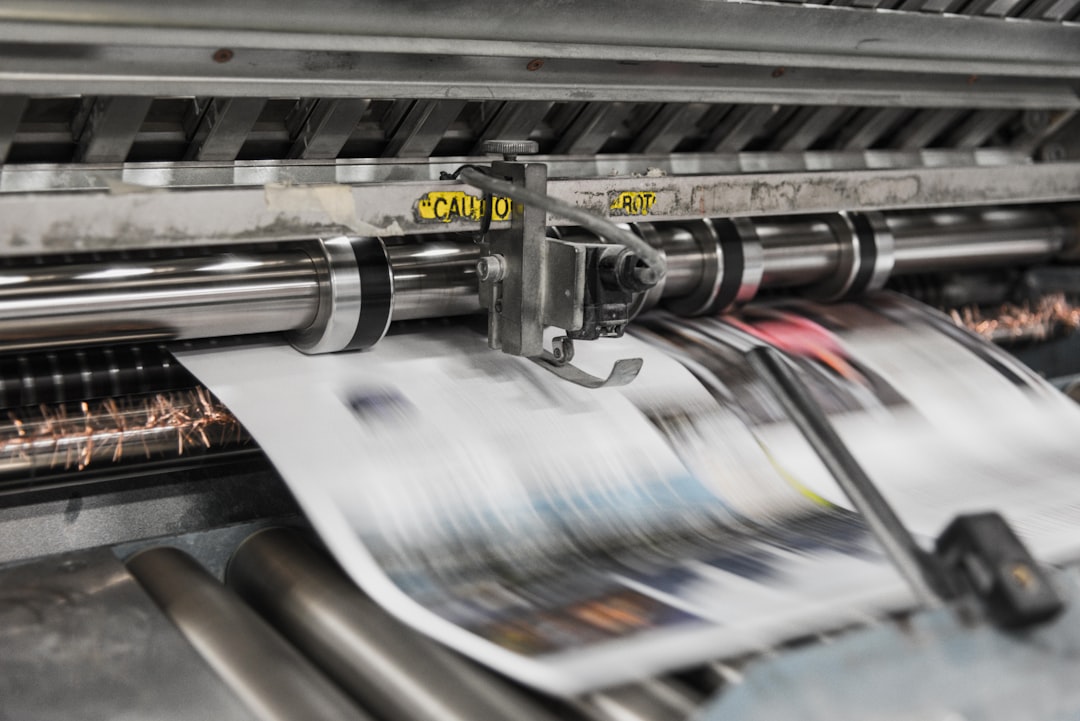
Limited edition prints can turn a post, portrait, or poster design into a collectible product with real margin power. For influencers, creators, and publishers, the opportunity is bigger than selling paper: you are packaging scarcity, authenticity, and a premium experience around a piece of visual content your audience already loves. Done well, a drop can strengthen brand loyalty, create urgency without feeling gimmicky, and produce a clean workflow from file prep to fulfillment. Done poorly, it can lead to overselling, confusing edition counts, late shipments, and unhappy collectors.
This definitive guide walks through the core decisions that shape a profitable limited-edition release: edition size, pricing tiers, signed and numbered variants, proofing, fulfillment, and post-sale organization. It also connects the creative side to the operational side, because the best print drops are built on dependable systems for creative planning, discoverability, and creator workflow design. If you are storing source files, proofs, and client approvals across multiple devices, it also helps to have strong cloud photo storage, a dependable photo backup service, and solid automation for handoffs.
1. What Makes a Limited Edition Print Valuable?
Scarcity creates perceived value
A limited edition print gains value because buyers know the supply is capped. That cap changes the psychology of the purchase: instead of “I’ll come back later,” collectors feel “I need to decide now.” This is especially effective for influencer-led drops, where community momentum and social proof are already part of the brand’s engine. Limited availability also makes the artwork feel curated rather than mass-produced, which can support higher pricing if the presentation and quality match the promise.
Authenticity turns a print into a collectible
A print becomes more collectible when it carries evidence of authorship, such as a signature, edition number, or certificate of authenticity. Publishers and creators who ship signed editions are not just adding ink to paper; they are adding provenance. That matters for buyers who care about ownership history, future resale value, and whether the work feels special enough to display. For inspiration on building trust signals into creator-facing products, see show-your-work trust strategies and copyright-conscious asset practices.
Audience fit is the real test
Not every audience wants a collectible print, and that is where many drops fail. If your followers are highly visual, design-savvy, or emotionally attached to a series, a limited edition makes sense. If they mostly engage with short-form content and rarely buy physical goods, your edition should be simpler, smaller, and easier to explain. The best print programs start with a product-market fit question: would this image still feel desirable if it were not instantly available in the feed tomorrow?
2. Choosing the Right Edition Size
Edition size should match demand and brand maturity
Newer creators often overestimate how many collectors they can convert. A 25- to 50-piece edition is a practical starting point for a first release, especially if the audience is niche or the price point is premium. Mid-tier creators with proven product demand may move to 100 to 250 pieces, while major publishers or multi-platform creators can test larger runs if they have robust fulfillment and customer support. A good rule: use the smallest edition that still supports your revenue target after production and shipping costs.
Use tiers, not just one number
Edition size does not have to be one static number across every variant. You can run a 50-piece signed artist edition, a 200-piece unsigned collector edition, and a smaller 10-piece premium variant on archival paper or with hand embellishment. This approach lets you segment the market without diluting the main offering. For creators who need a better sense of inventory planning and market interest, it can help to compare demand signals using trend analysis tools and audience research methods from data-driven pricing analysis.
Plan for sell-through, not just supply
The ideal edition size is one that can sell through quickly without leaving the audience feeling excluded. A drop that sells out in minutes can signal scarcity, but if too many buyers leave frustrated, you may need a waitlist or follow-on edition. A drop that lingers too long can feel overproduced and weaken future launches. Smart creators treat the first release as a calibration event: enough stock to satisfy core fans, but not so much that the print loses its specialness.
3. Pricing Limited Edition Prints for Margin and Perceived Value
Start with cost-plus, then adjust for market position
Pricing should begin with your true landed cost: printing, packaging, artist fees, shipping materials, taxes, platform fees, and any labor involved in signing or quality control. From there, build a margin that reflects your brand positioning and audience expectations. For example, a premium signed print might command a much higher price than a standard open edition because the buyer is paying for exclusivity, not just paper and ink. If you want more predictable cash flow, keep an eye on operational timing and settlement, similar to the principles in payment settlement optimization.
Anchor prices with three clear ladders
A common mistake is to offer only one price and hope it feels right. Instead, use a ladder: a smaller unsigned print, a signed limited edition, and a premium variant with extra value such as a certificate, custom border, or alternate finish. This makes the middle option feel most balanced and helps shoppers self-select. It also gives you room to test willingness to pay without confusing the offer. The goal is not to cheapen the work; it is to make the premium option look like the best deal.
Beware of underpricing the logistics
Creators often price the art but forget the operational burden. Signed editions require more handling. Protective packaging adds cost. International shipping can destroy margins if not modeled correctly. And if you are coordinating proofs, revisions, and fulfillment from a large file library, time is a cost too. Well-run creators use disciplined content systems and workflow roles so production tasks do not swallow the creative side.
| Edition Type | Typical Size | Price Position | Best For | Operational Complexity |
|---|---|---|---|---|
| Open edition | Unlimited | Lowest | Mass audience, evergreen storefronts | Low |
| Unsigned limited edition | 25-250 | Mid | Collectors who want scarcity without personalization | Medium |
| Signed limited edition | 25-100 | Higher | Fans who value authenticity and creator connection | Medium-High |
| Numbered premium edition | 10-50 | Highest | Collectors and art buyers | High |
| Variant edition | 10-100 each | Varies by rarity | Drops with multiple colorways or paper finishes | High |
4. Signed, Numbered, and Certificate Strategies
Why numbering matters
Numbering a print is a simple way to reinforce scarcity and make each buyer feel like they own part of a finite set. The format is usually written as “12/50,” meaning the twelfth print in a run of fifty. This little detail can have a meaningful emotional effect because it turns a commodity into a member of a series. It also gives buyers a concrete way to talk about the work and compare collection status with others.
Signing should support the brand story
Some creators sign every print, while others keep the main edition unsigned and reserve signatures for premium tiers. Both models can work, but the signature should fit your brand story. If your audience values direct creator contact, signing can significantly increase conversion. If your workflow is already stretched, a signature on a smaller tier can preserve time and still deliver a special experience. For coordinated releases, secure your preview files and approvals using organized visual planning and AI-assisted content pipeline tools.
Certificates and provenance build trust
A certificate of authenticity is especially helpful when the print is sold through multiple channels or promoted across social platforms. It documents the edition size, title, image date, paper type, and signature status. If the print is meant to have long-term collectible value, a certificate can reduce buyer hesitation and make resale easier. This is also where smart private photo sharing links and controlled proof access become important during pre-launch, because you do not want unfinished files circulating before the drop.
5. Creative Planning for the Drop: Files, Proofs, and Organization
Organize every master file before launch
A limited edition print drop is easier when you treat files like inventory. Build a folder structure for final art, alternate crops, web previews, printer proofs, signed copy, and fulfillment-ready exports. Use version naming that makes it impossible to confuse an approved proof with an old revision. Strong photo organization tools reduce mistakes and save hours when a printer needs a quick resubmission or a customer asks for a replacement.
Use cloud access for proofing and approvals
Cloud-based proofing keeps everyone aligned without email chaos. Designers, brand managers, and printers can review the same file set, comment on color shifts, and confirm crop boundaries before the edition is locked. That is especially useful for influencer drops, where launch calendars are tight and the content team is often remote. If you need a robust archive that preserves originals, look for photo storage for photographers features such as search, metadata, and easy restore after accidental deletion.
Build in backup discipline
Print campaigns are too valuable to risk on one local drive. Use a photo backup service that automatically captures source files and final outputs, ideally with restore points and cross-device sync. That safety net matters if you are juggling multiple campaign variants or making last-minute crop changes. It is the same basic logic creators apply to long-form content archives: if the asset matters, it needs redundancy.
Pro Tip: Before you announce the drop, create a “single source of truth” folder that contains only the approved final print files, the numbered edition log, and the fulfillment spreadsheet. Anything else should be clearly labeled as draft or reference. This one habit prevents most editioning errors.
6. Fulfillment: From Printer Selection to Delivery Experience
Choose a print partner that can maintain consistency
Not all printers are equal when you are selling a collectible. Ask for paper samples, color profiles, packaging mockups, and turnaround estimates before committing. You want reliable color, crisp line work, and durable packing that minimizes returns from bent corners or moisture damage. For creators balancing multiple launches, it can help to think like an operations team and use scalable infrastructure planning rather than ad hoc execution.
Fulfillment should be part of the product experience
Customers remember the unboxing as much as the image. Include protective sleeves, rigid mailers or tubes, and clear insert cards that explain the edition number and care instructions. If you are shipping signed editions, consider placing the signature on the front-facing area or on a certificate so the experience feels intentional. For some launches, fulfillment timing can be tied to audience excitement, especially when paired with launch-page contingency planning so your messaging stays accurate if stock or shipping windows move.
Prepare for geographies, delays, and customer questions
International shipping can be a hidden source of delay and support requests. If you restrict certain countries due to customs or carrier performance, make sure your storefront and launch copy reflect that clearly. Avoid ambiguity by setting expectations on shipping windows, edition closing times, and whether preorders are allowed. For policy-heavy launches, it is useful to study restriction compliance systems and adapt the same discipline to print sales regions and licensing terms.
7. Launch Strategy: Scarcity Without Frustration
Use countdowns, waitlists, and proof content
The best limited edition drops make scarcity feel exciting rather than stressful. A countdown timer, behind-the-scenes proof photos, and a waitlist can all increase conversion while giving fans a fair chance to participate. If your audience is international, consider staggered release windows or a presale for email subscribers. That kind of staged launch behaves similarly to the strategy behind last-chance deal alerts: clear urgency is effective when the rules are transparent.
Tell the story of the image
Collectors buy context as much as they buy aesthetics. Explain where the image came from, why it matters, and what makes this edition distinct from a casual social post. If the print connects to a campaign, travel story, or cultural moment, that narrative should be part of the product page and launch copy. This is where publishers and influencers can outperform generic retailers, because they can bring the audience closer to the origin of the work. For stronger storytelling frameworks, see narrative transportation principles and adapt them to product pages.
Use post-launch data to refine the next drop
Track cart adds, conversion rate, refund rate, fulfillment time, and support tickets. If one size or price tier sold fastest, that is a signal for future editions. If a specific paper type or finish triggered better engagement, note it. Over time, the data tells you whether your audience wants a more accessible offer or a more exclusive one. This kind of iterative learning pairs well with location and demand analysis when you are planning the next visual release.
8. Cloud Workflow Best Practices for Creator Print Programs
Make proof sharing secure and simple
When multiple people review a print, use controlled access instead of public links. Private review galleries help prevent leaks, keep campaigns coordinated, and reduce confusion over which file is final. They also support a cleaner internal approval workflow if you collaborate with editors, brand partners, or family members involved in the project. For especially sensitive projects, combine private review access with clear naming and folder permissions so the wrong file is never accidentally used in production.
Keep production assets searchable
Large catalogs become unmanageable when every print drop lives in a different folder with different names. Use tags for year, theme, colorway, campaign, and edition size. That way, a creator who wants to relaunch a sold-out poster in a new format can find the source art quickly. Modern structured data practices also help if you are publishing product pages or archive pages that should be discoverable by search engines.
Automate repetitive steps
Once your print workflow is repeatable, automate the noncreative pieces: export naming, approval reminders, order imports, and shipping status updates. That frees up time for the parts that actually sell prints, like creative direction and audience messaging. The more drops you run, the more this matters. A creator who uses plug-and-play automation recipes can spend more time on design and less on admin.
9. Common Mistakes to Avoid
Overproducing the first edition
The temptation to print more is understandable, but overproduction can weaken urgency and leave you with dead inventory. Start smaller, learn from the demand curve, and scale up only when your conversion history supports it. This is especially important for limited edition posters tied to a season, event, or social trend. If the moment passes, so does the urgency.
Ignoring file quality and color management
A beautiful image on screen can fail on paper if the file is low resolution or the colors are not prepared for print. Always work from the highest-quality source, embed the right color profile, and request a hard proof when the artwork is color-critical. Many creators who focus on high quality photo prints discover that prepress discipline matters as much as the image itself. Good online photo printing starts with the file, not the checkout button.
Forgetting fulfillment economics
Shipping can quietly erase profit if the artwork is oversized, international, or packed inefficiently. Test packaging options before the campaign launches and calculate the true cost per order, including replacements and customer service time. Also plan for payment timing, because you may need to buy inventory before the revenue clears. For this reason, many teams build a simple margin model before the first sale rather than after the first complaint.
10. A Practical Launch Checklist
Pre-launch essentials
Before announcing a limited edition print, make sure the final art file is approved, edition size is locked, pricing is finalized, and shipping countries are clear. Confirm the printer timeline, packaging materials, and expected dispatch window. Create inventory tracking that records each number as it ships, and keep a copy of the edition log in a secure backup location. If the print is based on collaborative or licensed imagery, ensure the licensing terms are documented before launch.
Launch-day essentials
On launch day, keep the product page simple and the promise explicit. State whether the edition is signed, numbered, or both, and explain what makes it limited. Include a close-up of paper texture or finish if that matters to the buyer. Make the checkout process smooth, and keep support responses ready for questions about shipping, framing, and international delivery. If the drop includes multiple variants, make the differences easy to compare at a glance.
Post-launch essentials
After the edition sells through, archive the final assets and preserve the sales record, customer list, and fulfillment notes. Those documents make future restocks, callbacks, or retrospective exhibits much easier. They also help you improve the next campaign instead of starting from scratch. A disciplined archive is one of the most underrated assets in creator commerce, especially for teams managing cloud photo storage, backups, and collaborative media libraries.
Pro Tip: Treat every limited edition like a small product launch, not a one-off sale. The more professionally you manage the drop, the more your audience will trust the next one.
11. Final Takeaway: The Best Limited Editions Feel Rare and Reliable
The strongest limited edition print programs balance creativity with operational discipline. Scarcity creates desire, but trust creates conversion. Signing and numbering add emotional value, but pricing must still be grounded in costs and audience fit. And while the art should feel exclusive, the backend should feel dependable, with secure proofing, organized files, and predictable fulfillment.
If you are an influencer or publisher planning your next poster drop, start small, document everything, and use cloud-based systems to keep your files, approvals, and backups under control. With the right workflow, limited edition prints can become one of the most brand-enhancing and revenue-efficient products in your catalog. That is especially true when your visual library is organized, your files are backed up, and your fulfillment process is designed as carefully as the artwork itself.
Frequently Asked Questions
How many prints should be in a first limited edition?
For most new creators, 25 to 50 is a smart starting point. It creates real scarcity without overcommitting inventory, and it gives you room to learn how your audience responds before scaling up.
Should limited edition prints be signed?
Not always, but signing usually increases perceived value. If your workflow is tight, reserve signatures for premium tiers or smaller runs so the signature feels special and manageable.
How do I price a limited edition poster?
Start with landed cost, then add margin based on brand position, scarcity, and audience willingness to pay. Compare your offer against similar creator products, but do not copy retail pricing if your product includes provenance and exclusivity.
What file format is best for print fulfillment?
Use the highest-quality source file available, with print-ready resolution and the correct color profile. Keep a versioned master archive in cloud storage so you can resubmit, reprint, or reproduce the work without quality loss.
How do I prevent editioning mistakes?
Use a locked edition log, a single source of truth folder, and careful numbering as each print ships. Avoid making changes after the edition is announced unless you clearly document the revision for buyers and the printer.
Related Reading
- What Long-Tenure Employees Teach Small Businesses About Institutional Memory - A useful lens on preserving process knowledge as your print program grows.
- Building reliable cross-system automations: testing, observability and safe rollback patterns - Helpful for creators automating order and file workflows.
- How Global Crises Shift Creator Revenue: A Survival Guide for Publishers - Great context for managing demand volatility and pricing pressure.
- How immersive (AR/VR) product experiences change search indexing and discovery - Useful if your print drops are part of a richer product experience.
- On-location safety for adventure creators: lessons from the Smokies’ spike in rescues - A reminder that creator operations benefit from planning, not improvisation.