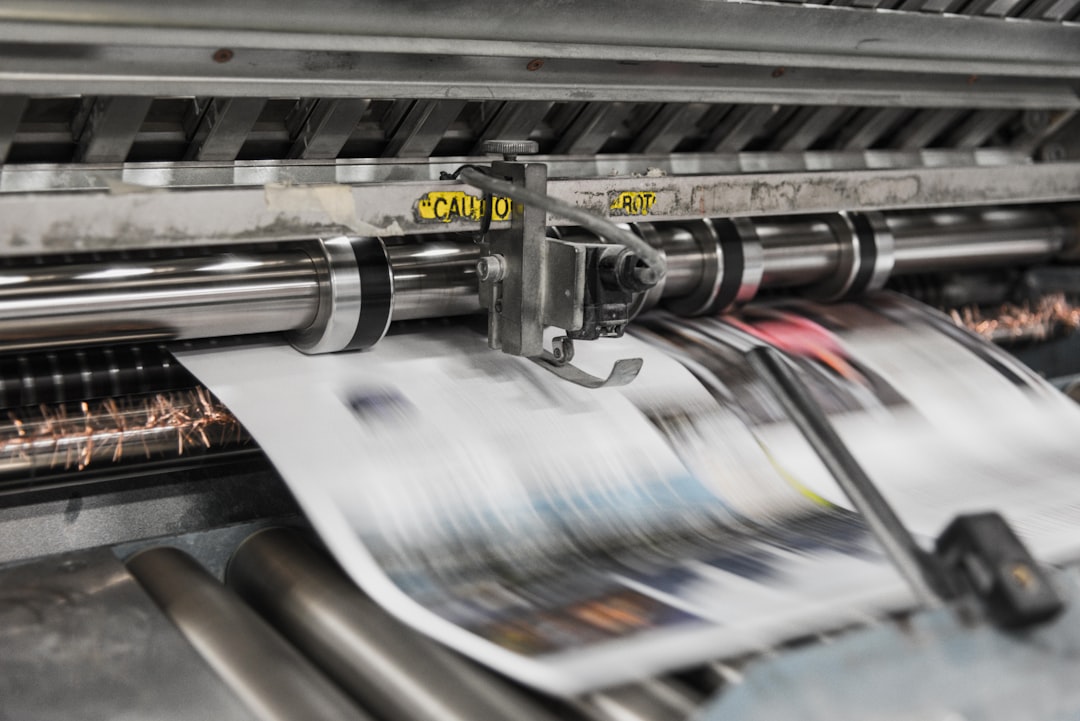
When a content team, influencer, or publisher needs to turn a large shoot into finished prints, the real challenge is rarely the printing itself. The hard part is agreeing on which images are approved, what sizes to order, who signs off, and how to avoid expensive reprints caused by missed comments or version confusion. That is exactly where shared photo albums, structured review workflows, and reliable cloud photo storage become production tools instead of just convenience features. In a well-run system, your album is not only a place to store pictures; it becomes the working hub for selection, proofing, collaboration, and photo product fulfillment.
For teams working across editors, creators, brand managers, and clients, the difference between a smooth print run and a chaotic one often comes down to organization. The best operations combine secure backup, fast access, clear comments, and a traceable approval trail, which is why many teams now treat their photo backup service and sharing workflow as one connected system. If you have ever had a print order delayed because someone replied “I like the third one” in a text thread with no context, this guide is for you.
Why Shared Albums Are the New Production Room
They replace scattered feedback with one source of truth
Traditional image selection usually happens across messages, email threads, spreadsheets, and file attachments, which is a recipe for lost context. Shared albums solve that by creating one living collection where stakeholders can view, comment, star favorites, and compare candidates without downloading files or requesting another export. For teams that also manage licensing, permissions, or client access, the album becomes a controlled environment rather than a free-for-all. That control matters because every extra handoff increases the chance of mistakes, particularly when print deadlines are involved.
A strong album workflow also improves accountability. Instead of vague approvals like “looks good,” collaborators can comment directly on the frame, crop, or version they want. That kind of visual specificity is why creators often pair shared albums with a Slack integration pattern for AI workflows or another team-notification system, so comments and approvals are visible where work already happens. The result is a faster path from “we have assets” to “we have print-ready selections.”
They reduce the cost of indecision
Every round of uncertainty has a cost: time, attention, and sometimes wasted paper or test prints. When an influencer, brand team, and designer are all weighing the same shortlist, a shared album helps narrow choices quickly because everyone can see the same crop, exposure, and storytelling angle at once. That makes it easier to decide whether the print run should feature a hero portrait, a product detail, or a behind-the-scenes image. It also prevents the classic situation where one stakeholder approves a file that another person assumed was still only a draft.
Good collaboration is not about getting more opinions. It is about getting the right opinions into the right place at the right time. Teams that understand this tend to adopt systems similar to what operations leaders use in other high-dependency environments, which is why guides like Choosing Displays for Hybrid Work and ROI modeling and scenario analysis are surprisingly relevant: the technology stack should support decision-making, not make it harder.
They create a better client experience
If you provide a photo gallery for clients, the experience should feel premium, not technical. Shared albums let you send a polished, branded link instead of a cluttered folder full of unnamed files. That is especially valuable for creators who sell shoots, publish branded campaigns, or manage family client orders because the sharing experience becomes part of the service. A professional gallery gives clients confidence, and confidence speeds approvals.
From a trust perspective, this is also where private photo sharing links matter. A secure album link with permissions, expiration settings, and view-only access gives the right people access without exposing your broader archive. For team projects, that means you can involve an editor, a brand lead, and a print vendor without turning your library into an open download pile.
How Collaborative Selection Works in Real Production Workflows
Start with a clear album structure
The cleanest workflow begins before anyone comments. Create separate shared albums for capture stage, shortlisted images, final selections, print proofs, and delivered assets. That way, your collaborators always know whether they are reviewing raw options or final print-ready files. This structure also makes large libraries much easier to search, which is essential when you are using photo organization tools across multiple devices and contributors.
For high-volume creators, naming conventions matter just as much as folder design. Use consistent labels like campaign name, date, content type, and status. A simple structure such as 2026-04 BrandX / Selects / Print Proofs / Final Orders can save hours later because nobody has to guess which file version is current. If your team routinely handles dozens of shoots, an organized setup is as important as image quality.
Use comments to separate taste from technical feedback
The best collaboration systems treat comment fields like production notes, not chat rooms. Ask reviewers to use specific tags such as keep, crop left, needs retouch, or print test. This keeps feedback actionable and prevents vague comments like “I don’t know, it feels off.” When your team does this consistently, the print order process becomes much faster because each image has clear next steps.
As a practical example, an influencer preparing a merch print run might need three departments in the same album: social, design, and fulfillment. Social chooses the storytelling image, design checks trim and aspect ratio, and fulfillment confirms whether the selected file meets the output spec. If those groups are commenting in one shared album, the production manager can resolve issues in one pass rather than chasing feedback across different tools. That same principle shows up in high-performance teams discussed in workflow integration guides and small-scale leader routines: make review visible, repeatable, and easy to act on.
Build an approval chain with timestamps
A shared album becomes even more useful when each approval is timestamped or documented in a clear sequence. Start with internal review, then client review, then final print approval. This matters because print vendors need certainty, and teams need to know which image set is locked. Without a sequence, the same project can drift for days while people think someone else has the final say.
Think of this like a lightweight quality-control pipeline. Just as teams rely on reliable data flows in other domains, your creative pipeline should preserve evidence of what changed and who approved it. For teams dealing with multiple deadlines, that traceability lowers the risk of accidental reprints, missed crop marks, or a printed image that was never formally signed off.
Choosing the Right Album Workflow for Print Runs
Selection albums vs proof albums
One of the most important distinctions in a print workflow is between a selection album and a proof album. The selection album is where the team narrows down the story; the proof album is where final files are reviewed for color, crop, and layout. Mixing the two creates confusion because people start debating creative direction after production decisions have already been made. Separating them keeps the project moving.
For print production, proof albums should include the final export, the intended size, the paper type, and any notes about color shift expectations. That level of detail helps prevent surprise, especially when teams order from an online photo printing service that offers multiple finishes. A glossy 8x10 and a matte poster are not interchangeable, even if they use the same image. By labeling proofs clearly, you reduce the odds of incorrect assumptions at the order stage.
When to use private links, shared albums, and downloads
Not every collaborator needs the same level of access. Internal teammates may only need shared album access, while a client may prefer a read-only link with comment permission. A vendor handling fulfillment may need a limited download set of only the final approved files. Matching the access level to the role protects privacy and prevents accidental edits or exposure of unused images.
This is where private photo sharing links are especially useful, because they let you share a working gallery without exposing your entire archive. For creators who manage sensitive content, licensing-restricted images, or unreleased campaign assets, that privacy layer is not optional. It is part of professional asset management.
Build review windows, not endless open doors
Set time windows for feedback so projects do not stay open forever. For example, give internal stakeholders 24 hours to shortlist, clients 48 hours to annotate proofs, and fulfillment 12 hours to confirm order specs. Deadlines do not make teams less collaborative; they make collaboration usable. Without them, even a perfect album system will slow down because nobody knows when a decision must be final.
If you want to think like an operations team, treat the review window as part of your delivery SLA. The more predictable the feedback window, the easier it is to schedule printing, shipping, and delivery. This idea lines up with the reliability-first mindset described in The Reliability Stack, where process clarity reduces downstream failure.
From Selection to Proofing: How to Avoid Print Errors
Check crop, bleed, and aspect ratio in the album
The most common print mistakes are usually not creative mistakes; they are format mistakes. An image that looks great on a phone screen may fail when printed as a poster because the crop cuts off a key subject or the resolution is too low. Shared albums make it easier to catch these problems early because everyone can inspect the same version before an order is placed. Encourage reviewers to look at edge placement, face positioning, and whether essential text or logos sit safely inside the trim area.
This is especially important for content teams producing posters, reprints, or art prints for resale or gifting. A good proof album should show the final crop and ideally note the intended physical size. If the project includes client-facing output, this is the moment to decide whether the print should preserve full-frame composition or use a tighter editorial crop. That decision should be documented inside the album, not remembered from a meeting.
Use reference files and print mockups
Whenever possible, attach a mockup or reference image alongside the final file. A print mockup helps collaborators understand how the image will look as a framed print, a poster, or a mounted piece. It also helps non-designers contribute more confidently because they can judge the visual result, not just the pixel file. That often shortens approval time, which is one of the easiest ways to improve production speed.
Creators who need to showcase the final experience can borrow a lesson from product merchandising and visual presentation. Just as packaging trends shape how premium a product feels, print mockups shape how premium the image order feels. A polished presentation supports better decisions and fewer returns.
Make one person responsible for the final order
Even with a perfectly organized shared album, print runs fail when too many people assume someone else is placing the order. Assign one order owner who confirms filenames, sizes, quantities, shipping details, and payment. That person should verify the proof album, confirm the print vendor, and lock the order only after all comments are resolved. Responsibility should be explicit, not implied.
For larger teams, the order owner might be a producer, operations manager, or account lead. For smaller creator businesses, it may simply be the person who uploaded the final proof set. Either way, one owner prevents duplicate orders, missed products, and the costly confusion of “we all thought it was handled.”
The Fulfillment Side: Turning Approved Albums Into Products
Make the handoff from album to fulfillment predictable
Once the final selection is approved, the next step is to move from collaboration to fulfillment without losing context. The best teams keep the approved files, order notes, and shipping details connected to the album itself so fulfillment never starts from scratch. If your platform supports direct ordering from the gallery, even better, because it removes one more manual transfer point. This is where embedded payment platforms and seamless checkout logic can materially reduce friction.
When the workflow is smooth, your collaborators do not need to email file names to a print lab or double-check which image was meant for which size. Instead, the approved album acts like a production brief. That is especially valuable for creators shipping to fans, clients, or family members because it reduces the chances of mislabeled products and missed deadlines.
Standardize product types for faster reorders
Most teams do better when they narrow the product catalog to a handful of standard formats: poster, art print, reprint pack, or gift print. Too many options can slow decisions and make quality control harder. Standard product definitions also make repeat orders much easier because the same album can be reused for future seasonal runs or campaign refreshes. That kind of consistency is especially helpful for influencers who sell limited drops or publishers who produce recurring print bundles.
In practice, this means your album can include preset order notes such as 11x14 matte poster or 8x10 archival art print. With those conventions in place, fulfillment teams spend less time interpreting requests and more time shipping correct products. It is a simple way to turn a creative asset into an operational asset.
Track delivery status alongside the album
Print production does not end when the files are approved. Teams should be able to see whether the order is queued, printing, packed, shipped, or delivered. That level of visibility helps avoid duplicate follow-ups and gives clients reassurance that the project is on track. It also helps creators manage expectations, especially when a product launch or campaign reveal depends on physical delivery.
The broader lesson comes from operational planning disciplines: good coordination requires both status visibility and clear ownership. The same logic appears in articles like The ROI of Faster Approvals, where reducing delay improves throughput. For photo fulfillment, better status visibility means fewer anxious messages and fewer last-minute surprises.
Data, Privacy, and Trust in Shared Photo Collaboration
Organize access around roles, not just people
Creators often think in terms of who should see a gallery, but operationally it is better to think in roles. An editor may need broad access to selects, a client may need approval-only permissions, and a printer may need download access for finals only. Role-based thinking helps keep the album clean, secure, and scalable. It also reduces the risk that someone retains access long after the project is done.
This matters most when a team handles family archives, private events, or unreleased brand images. A controlled gallery protects trust, and trust is what keeps stakeholders comfortable using the system again. If privacy is mishandled once, people often revert to insecure workarounds like text threads or personal drives, which creates more risk in the long run.
Think about backup as part of collaboration, not a separate task
Many creators still treat backup as a separate chore, but in reality it is part of the same production pipeline. When your album platform also serves as a photo backup service, you reduce the risk that a key image disappears between approval and print. A backup-aware workflow also makes it easier to restore older versions if a crop, retouch, or export gets overwritten.
That reliability is not just for peace of mind. It directly protects revenue and reputation, especially for teams producing paid print runs. Losing an approved file at the wrong time can stall orders, create client anxiety, and damage the perceived professionalism of the entire operation.
Keep an audit trail for licensing and usage rights
For publishers and influencers, rights management is just as important as file quality. A shared album should note whether an image is cleared for print, social use, editorial distribution, or resale. If a photo is only licensed for one campaign, the album should say so clearly before anyone orders products. That way, you avoid both legal trouble and accidental misuse.
This is one reason creators are increasingly looking for systems that combine storage, sharing, and product management in one place. The more fragmented your workflow, the harder it is to prove what was approved and by whom. For teams that care about accountability, that trail is priceless.
A Practical Workflow You Can Adopt This Week
Step 1: Build the project album stack
Start by creating four albums: raw capture, shortlist, print proof, and final delivery. Upload only the relevant images into each stage so reviewers are not distracted by outtakes that should never reach approval. Add a short project note at the top of each album explaining what feedback is needed. If your platform supports tagging, use consistent labels like hero, alternate, retouch, and print-ready.
As you design the stack, think about the bigger creator workflow. Articles like The Creator Stack in 2026 are useful reminders that the best systems are not necessarily the most complicated ones. The goal is to reduce decisions, not add more software.
Step 2: Assign roles and deadlines
List who is responsible for selection, who approves final proof, and who places the order. Then set clear due dates for each stage. A project cannot stay healthy if everyone has access but no one has responsibility. Role clarity prevents bottlenecks and makes follow-up easier because you know exactly who needs to move the project forward.
If your team uses project management tools, link them to the album workflow. That keeps the project visible without forcing people to live in email. A good album process should feel like part of the normal team rhythm, not a separate admin chore.
Step 3: Review, proof, and order in one sitting when possible
One of the fastest ways to accelerate print production is to batch the final review. Once the shortlist is ready, gather the decision-makers, open the proof album, resolve comments live, and submit the order before anyone loses momentum. This reduces the “we’ll revisit it tomorrow” problem that can stretch a one-hour decision into a week-long delay. For time-sensitive campaigns, that single sitting can save a launch.
To keep the process efficient, use a checklist: image approved, crop confirmed, size verified, paper chosen, quantity set, shipping address checked, and payment confirmed. When that checklist is embedded in the workflow, the final order becomes routine instead of risky.
Comparison Table: Common Collaboration Setups for Team Print Runs
| Workflow Setup | Best For | Strength | Weakness | Risk of Miscommunication |
|---|---|---|---|---|
| Text messages + attachments | Very small teams | Fast and familiar | No version control, poor traceability | High |
| Shared drive folders | Basic file storage | Easy storage at scale | Weak collaboration and commenting | Medium-High |
| Shared photo albums with comments | Creators, influencers, clients | Visual approval in one place | Needs workflow discipline | Low |
| Shared albums + proof albums + order owner | Professional print runs | Clear review stages and accountability | Requires setup | Very low |
| Integrated sharing + backup + fulfillment | High-volume teams | Fastest handoff from selection to print | Platform dependency | Lowest |
Pro Tip: The fastest teams do not just share albums; they design decisions into the album itself. If the review structure makes it obvious what to do next, you will cut approvals dramatically.
What Great Teams Do Differently
They treat photos like production assets
The most effective content teams stop thinking of images as isolated files and start treating them as production assets with a lifecycle. That lifecycle includes upload, backup, curation, review, approval, printing, and delivery. Once you see the process that way, shared albums become the control panel for the entire run. They are not a passive archive; they are an active workflow.
This mindset is also what separates casual sharing from professional fulfillment. The team that labels, comments, and approves carefully will move faster than the team that simply uploads everything and hopes the right files get noticed. In the long run, discipline beats volume.
They design for simplicity under pressure
Print runs almost always get stressful near the deadline. That is why the workflow has to remain simple even when the project is busy. If reviewers must remember five different file names or hunt through multiple apps, the process will break down at the exact moment you need it most. Simple systems are not less professional; they are more resilient.
That is also why a clean gallery experience matters. Guides like enhancing engagement with interactive links show how interactive presentation can guide behavior, and the same principle applies here. The album should steer people toward approval, not confusion.
They measure speed and revision rates
If you want to improve your album workflow, track how long it takes from upload to final order and how often print proofs need revision. Those two numbers reveal whether your process is truly working. A quick approval cycle with few corrections usually means your comments are clear and your access permissions are right. A slow cycle with repeated fixes usually means the album needs better structure.
Over time, you can even compare workflows by team, project type, or client size. That gives you the same kind of operational insight other businesses use for performance improvement. For teams serious about scale, this is where collaboration becomes measurable, not just convenient.
Conclusion: Shared Albums Make Print Collaboration Faster, Safer, and Cleaner
Shared albums solve a very specific but common problem: too many people need to make decisions about the same set of images, and those decisions must turn into physical products without confusion. By combining cloud photo storage, private links, comments, proof albums, and clear ownership, you can turn a messy approval process into a controlled production workflow. The payoff is fewer reprints, faster approvals, better client experiences, and print runs that feel reliable instead of reactive.
If you are building a repeatable workflow for creators, publishers, or family clients, start small: organize the project into stages, lock down permissions, use comments for specific feedback, and assign one person to place the final order. That simple framework can transform how your team works with photos, especially when the end goal is high-quality online photo printing and dependable delivery. In a market where speed, trust, and quality all matter, the teams that collaborate cleanly will always ship better results.
FAQ
What is the best way to use shared photo albums for print approval?
Use separate albums for shortlist, proof, and final approval. Ask collaborators to leave frame-specific comments and keep one owner responsible for the final order. That structure prevents confusion and speeds up production.
How do private photo sharing links help team projects?
Private links let you share only the images needed for a project without exposing your entire archive. They are ideal for client review, restricted-access collaborators, and sensitive or unreleased assets.
What should be included in a print proof album?
A print proof album should include final exported files, intended size, crop notes, resolution checks, paper or finish preferences, and any licensing or usage reminders. The more complete the proof album, the fewer surprises at fulfillment.
Can shared albums replace email approval threads?
Yes, and they usually do a better job. Shared albums keep feedback tied directly to the image, which reduces miscommunication, version confusion, and lost context compared with email or chat threads.
How do I keep a print workflow from slowing down?
Set deadlines for each review stage, assign one order owner, and standardize your product types. Batching the final review into one focused approval session can also eliminate long delays.
Why is backup important if the album is already shared?
Sharing and backup solve different problems. A shared album helps people collaborate, while a backup service protects the files if something is deleted, overwritten, or lost before the print order is completed.
Related Reading
- The Creator Stack in 2026: One Tool or Best-in-Class Apps? - See how teams choose between all-in-one platforms and specialized tools.
- A Slack Integration Pattern for AI Workflows: From Brief Intake to Team Approval - Learn how to streamline approvals across team tools.
- Personalization in Digital Content: Lessons from Google Photos' 'Me Meme' - Explore how smart organization improves discovery and reuse.
- The Reliability Stack: Applying SRE Principles to Fleet and Logistics Software - A practical look at dependable operations under pressure.
- The Rise of Embedded Payment Platforms: Key Strategies for Integration - Understand how seamless checkout supports faster fulfillment.