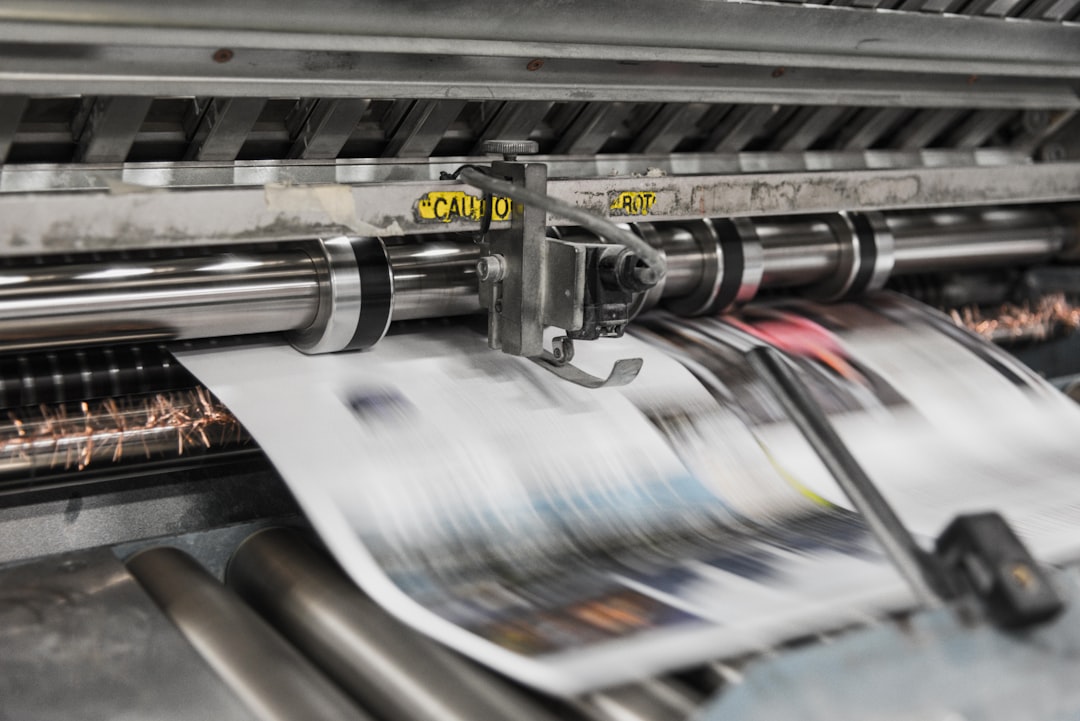
Choosing limited edition print paper is not just a technical detail. It shapes how a print looks, how it feels in the hand, how easily it can be signed and numbered, and how confidently it can be sold or collected over time. This guide compares the main paper categories used for signed and collectible releases, explains what matters most for presentation and longevity, and gives practical recommendations for artists, photographers, and collectors who want gallery-grade results without guesswork.
Overview
If you are planning a signed edition, the paper should support three goals at once: visual quality, archival stability, and edition presentation. A paper can reproduce color beautifully but still be a poor choice if signatures smear, deckled edges feel out of place, or the sheet curls badly when framed. On the other hand, a very heavy cotton rag sheet may signal craftsmanship and permanence, but it may mute contrast more than the artwork needs.
That is why the best limited edition print paper depends less on a single “best” option and more on fit. A monochrome landscape, a high-saturation digital illustration, a soft watercolor reproduction, and a photographic portrait edition may all deserve different surfaces.
In general, most collectible releases fall into four broad paper families:
- Cotton rag matte papers for a refined, tactile, museum-oriented look.
- Alpha-cellulose matte fine art papers for a similar presentation with a different feel and often a more accessible price point.
- Baryta or fiber gloss papers for photographic depth, richer blacks, and a more traditional darkroom-inspired finish.
- Smooth or lightly textured hot press papers for work that benefits from crisp detail and clean signatures.
For most artists releasing signed collectible editions, archival matte fine art paper is the safest starting point. It presents well, photographs well for listings, accepts pencil signatures clearly, and suits a wide range of framing styles. But “safe” is not always “best.” If your work relies on deep shadow detail, punchy color, or a photographic surface, baryta-style papers may create a stronger edition.
Before you order a full run, it helps to treat paper as part of the artwork rather than packaging. The sheet, border, finish, and signing method all work together. If you are reproducing original artwork, it is also worth reviewing capture and proofing steps first so the paper comparison starts from a strong file. See How to Photograph Artwork for Prints: Lighting, Lens Choice, and Color Accuracy and Art Print Reproduction Checklist for Artists: Capture, Color, Proofing, and Paper.
How to compare options
The easiest way to compare limited edition print paper is to judge each option across the same practical criteria. This keeps the decision grounded in the needs of the edition rather than marketing language.
1. Surface and texture
Texture changes both the appearance of the image and the tone of the edition. A textured matte paper can make an art print feel handcrafted and substantial. That works especially well for painterly pieces, drawings, and reproductions of original media with visible brushwork or paper grain. A smoother paper feels more contemporary and often preserves fine detail better, which can help with graphic work or high-resolution photography.
Collectors also notice texture before they inspect color. If the paper surface feels aligned with the artwork, the print often reads as more intentional.
2. White point and tone
Some papers are bright white. Others are natural white, warm white, or slightly creamy. This matters more than many first-time sellers expect. A warmer sheet can flatter sepia, muted palettes, charcoal, and traditional art reproduction. A brighter white sheet can make modern graphics and vivid color feel cleaner and more luminous.
Neither is universally better. The question is whether the base tone supports the image and the edition’s presentation style.
3. Dmax and contrast range
Dmax refers to how deep the darkest blacks can appear on a paper. In practical terms, papers with stronger black density usually give photos and dark-toned artwork more visual depth. Matte papers tend to have a softer, more open tonal range, while baryta and glossy fine art photo papers often deliver deeper blacks and stronger contrast.
If your edition depends on dramatic shadow detail or high contrast, do not choose a matte paper purely because it seems more “fine art.” A photographic image may simply look better on a photographic paper.
4. Signature and numbering performance
Signed editions need a paper that accepts marks cleanly. Pencil usually works especially well on matte fine art papers and gives a traditional collectible look. Pigment pens can also work, but performance varies by coating and texture. Glossy or baryta surfaces may be more challenging for some pens, especially in the image area, so many artists leave a white border for signing.
When comparing papers, ask where the signature will go: on the image, in the border, or on the reverse. The answer can eliminate some options quickly.
5. Weight and handling
Heavier papers often feel more premium, but very heavy sheets are not automatically better. They can be harder to flatten, more expensive to ship, and sometimes unnecessary for smaller formats. For limited editions, a medium-heavy to heavy sheet generally feels substantial enough without becoming awkward.
Collectors often interpret weight as quality, but they also notice handling issues like edge damage and curl.
6. Archival suitability
For collectible releases, look for papers intended for archival printing and pair them with pigment-based archival ink systems. Longevity depends on the complete print system and on display conditions, not paper alone. If archival presentation matters to your audience, this is worth explaining clearly in the product listing and certificate language. Our related guide on Archival Photo Prints: Paper, Ink, and Longevity Factors That Matter covers the basics in more depth.
7. Framing and display context
Paper does not live in isolation. It will usually be matted, glazed, framed, or stored. A matte cotton rag paper behind a wide mat creates a different impression than a full-bleed baryta print in a modern frame. Think about how the edition will most often be displayed. If you need help with proportions and presentation, Framed Poster Size Guide: Common Frame Dimensions and Mat Options and Museum Glass vs Regular Glass vs Acrylic: Best Glazing for Framed Prints are useful follow-ups.
Feature-by-feature breakdown
Here is how the most common collectible print paper types compare in real use.
Cotton rag matte paper
Best for: signed editions, art reproductions, monochrome work, painterly imagery, premium presentation.
Strengths: Cotton rag papers are often the first choice for limited editions because they feel serious and archival. They usually offer a soft, elegant surface with little glare, making them pleasant to view under different lighting. They also tend to accept pencil signatures and edition numbers well, especially in a border area.
Tradeoffs: Blacks may appear less deep than on baryta or gloss papers, and very saturated colors can feel slightly restrained depending on the specific sheet. Some textured rag papers also soften very fine details.
Why collectors like it: It signals craftsmanship, restraint, and long-term value. It also pairs naturally with matted framing.
Alpha-cellulose matte fine art paper
Best for: editions that need a fine art look at a more accessible cost, open editions transitioning into small signed runs, illustrative work.
Strengths: These papers can deliver a convincing fine art presentation with smooth or lightly textured surfaces. They are often a practical middle ground when you want the look of a museum-style art print without committing to the highest-cost cotton rag sheet for every release.
Tradeoffs: Perceived prestige may be lower for some collectors who specifically look for cotton rag. The difference may be minor in display, but it can matter in the language of premium editions.
Why collectors like it: When printed well, it still feels thoughtful and archival, especially for small runs and emerging artists.
Hot press smooth fine art paper
Best for: detailed illustrations, graphic artwork, portraits, clean-edge modern editions, prints that need crisp linework.
Strengths: A smooth hot press sheet preserves detail and gives prints a clean, contemporary feel. It is often excellent for editions where signatures need to remain legible and uncluttered. If a textured paper competes with the artwork, hot press can be a better fit.
Tradeoffs: It may feel less tactile than textured rag papers. For some reproductions of paintings or traditional media, it can seem a bit too sleek.
Why collectors like it: It looks precise and intentional, especially when paired with minimal framing.
Textured watercolor-style fine art paper
Best for: reproductions of watercolor, pastel, gouache, mixed media, and works where original surface character matters.
Strengths: This category can echo the feel of original paper-based artwork. The texture can support the illusion of an original medium and make reproductions feel less mechanical.
Tradeoffs: Fine detail may break up across pronounced texture, and signatures can be less crisp depending on the tool used. This paper is often best when surface character is part of the artwork’s appeal, not when clinical sharpness is the priority.
Why collectors like it: It can strengthen the connection between the reproduction and the original piece.
Baryta or fiber gloss paper
Best for: photographic limited editions, black-and-white photography, rich color images, work needing strong tonal depth.
Strengths: Baryta-style papers often produce deeper blacks, stronger contrast, and a polished photographic finish while still feeling more premium than standard glossy photo paper. For photographers releasing signed editions, this is often one of the strongest options available.
Tradeoffs: Surface reflections can be more noticeable. Some collectors prefer the quieter look of matte paper. Signing directly on the image surface may require more care, so border planning matters.
Why collectors like it: It feels distinctly photographic and can make a print look especially rich when properly framed.
Luster or satin photo paper
Best for: accessible collectible photo editions, portfolio sales, contemporary photo prints that need balanced contrast and reduced glare.
Strengths: Luster sits between matte and glossy, offering good detail and contrast with less glare than a fully glossy sheet. It is a practical option for photographers who want strong image performance but a less reflective surface.
Tradeoffs: It may not carry the same collector expectation as cotton rag or baryta for premium art editions. Presentation language becomes important here.
Why collectors like it: It offers a familiar photographic look and can be excellent for editions where image impact matters most.
Best fit by scenario
If you want a quicker decision, start with the scenario that best matches your edition.
For signed art reproductions of original paintings or drawings
Choose a matte fine art paper, usually cotton rag or a high-quality textured archival sheet. This combination supports pencil signatures, reduces glare, and aligns with collector expectations for reproduced original art.
For limited edition photography
If the work is subtle, matte cotton rag can look elegant and understated. If the image depends on tonal depth, rich blacks, or luminous color, baryta or luster may be the better fit. Photographers selling exhibition-ready work may also want to compare papers used for portfolios and shows. See Professional Prints for Photographers: What to Order for Portfolios, Client Delivery, and Exhibitions.
For modern illustrations and graphic editions
A smooth hot press fine art paper is often the most reliable choice. It keeps edges crisp, supports clean presentation, and works well for editions with a contemporary design language.
For artists selling small first editions
Start with one archival matte paper that matches most of your work, then build consistency around it. Collectors appreciate recognizable edition standards. Too many paper changes can make a body of work feel less cohesive unless the changes are clearly intentional.
For editions that will be heavily framed and matted
Matte papers usually perform especially well because reflections are lower and the overall look feels calm. If glazing choice is still open, pairing an archival matte print with better glazing can often improve the viewing experience more than switching to a shinier paper.
For border-signed and numbered prints
Choose a paper that accepts pencil or archival pen comfortably and plan a generous border. This helps both the signing process and the final presentation. It also reduces the risk of crowding the image.
For large prints
Paper choice should account for viewing distance and file quality. A highly detailed smooth sheet can reveal weaknesses in a file, while a slightly textured matte surface can be more forgiving. Before committing to a large signed edition, review file preparation and realistic enlargement limits using How Much Can You Enlarge a Photo? A Practical Guide to Print Quality by Size and How to Prepare Photos for Print: Export Settings, Sharpening, and File Format Checklist.
One useful rule: if you cannot decide between two papers, order small test prints of the same file on both and compare them in the lighting where collectors are most likely to view them. This is often more revealing than any sample description.
When to revisit
Your paper choice should not be set once and forgotten. Revisit it when the underlying conditions change.
- When you release a new body of work: A paper that suited soft painterly images may not suit high-contrast photographs or bold digital art.
- When a lab changes paper availability: Paper lines, coatings, and finishing options can change over time. Even small shifts are worth testing before a new edition launch.
- When framing standards change: If you move from unframed sales to framed editions, the best surface may also change.
- When your collector base changes: Entry-level buyers may value affordability and consistency, while more established collectors may expect cotton rag, certificates, or stricter edition conventions.
- When your signing method changes: A switch from pencil to pen, border signing to verso signing, or hand-deckled presentation should trigger new tests.
- When your print sizes change: Large works can reveal new strengths or weaknesses in texture, contrast, and file sharpness.
To keep your editions consistent and easy to manage, create a simple internal paper standard for each collection: paper type, finish, border size, signature method, edition notation, and framing recommendation. Then update that standard only when you have a clear reason to do so.
A practical next step is to shortlist two paper families, order proofs, test your signature and numbering tools on the border, and review the prints in daylight and indoor light. If you are preparing files for an online print lab, make sure color mode and export settings are handled correctly before proofing. Our guides on RGB vs CMYK for Photo Printing: What File Color Mode Should You Use? and How to Prepare Photos for Print can help tighten that last step.
The best limited edition print paper is the one that makes the artwork look intentional, makes the edition easy to present and sign, and holds up to the expectations of a collector. When those three things align, the paper is doing its job.