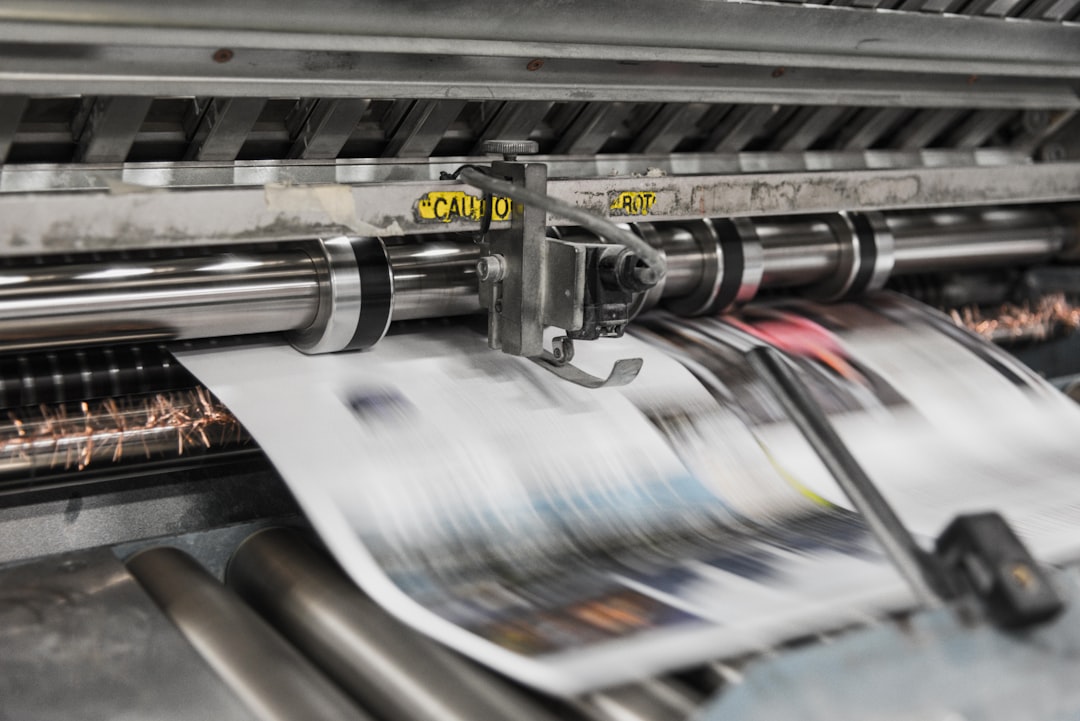
Professional prints are not one product. A photographer may need a compact portfolio set for meetings, polished prints for client delivery, and larger exhibition pieces that hold up under gallery lighting and close inspection. This guide helps you choose what to order for each use case, how to prepare files, and how to build a repeatable print workflow you can revisit as your style, clients, and display goals change.
Overview
The most useful way to buy professional prints for photographers is to match the print to the job. A portfolio print is handled differently from a framed wall piece. A client keepsake has different priorities than an exhibition print. If you order everything on one paper in one size, you may get acceptable results, but you will usually spend more than necessary in some places and not enough in others.
Think in three categories:
- Portfolio prints for meetings, reviews, and self-promotion
- Prints for client delivery that feel finished, giftable, and consistent with your brand
- Exhibition prints for photographers that are designed for presentation, lighting, viewing distance, and archival expectations
Across all three, your buying decisions usually come down to five variables:
- Size: determined by viewing distance, image detail, shipping needs, and budget
- Paper or substrate: luster, matte, glossy, baryta-style, cotton rag, canvas, or mounted presentation options
- Border treatment: full bleed, white border, or oversized print for matting
- File prep: cropping, resolution, sharpening, and color settings
- Presentation: sleeves, boxes, mats, frames, glazing, and hanging method
If you are unsure where to start, a practical baseline is simple: use a dependable photo paper for everyday client and portfolio work, reserve premium fine art papers for images that benefit from a softer or more tactile surface, and treat exhibition printing as its own separate process.
For image sizing and enlargement decisions, it helps to keep two references handy: Print Resolution Chart: Minimum Pixel Dimensions for Common Photo and Poster Sizes and How Much Can You Enlarge a Photo? A Practical Guide to Print Quality by Size. Those resources make it easier to decide whether a file should become a small tabletop print, a medium portfolio piece, or a large wall print.
What to order for portfolios
Photography portfolio prints need to balance visual impact with portability. In most cases, medium sizes are the most useful because they are easy to carry, easy to review on a table, and large enough to show editing decisions and tonal control.
For portfolio use, look for:
- A restrained finish that limits distracting reflections under office or event lighting
- Consistent paper choice across the series so the work feels intentional
- Enough contrast and sharpness to hold up in hand
- Optional white borders if you want a cleaner review presentation
Luster is often a safe general-purpose option because it offers some punch without the mirror-like glare of glossy paper. Matte can work very well for quiet portraiture, documentary work, and subdued color palettes, especially if you want a more editorial or fine art feel. For black-and-white work, paper finish matters even more; this guide can help: Photo Print Finish Guide for Black and White Images.
If your portfolio is shown in sleeves or a box, keep the set tightly edited. It is often better to carry fewer, stronger prints in a consistent size than a broad mix that feels improvised. If you show work in person often, ordering a small backup set is worth considering so wear on one set does not leave you scrambling before an important meeting.
What to order for client delivery
Prints for client delivery should feel polished but also practical. A wedding client, portrait client, editorial subject, or commercial buyer may all want something different, but most delivered print sets benefit from the same principles: durability, pleasing color, straightforward framing options, and a format that travels well.
Common choices include:
- Small and medium gift prints for albums, boxes, or family distribution
- Large photo prints for ready-to-frame wall display
- Custom poster prints for less formal decor and lower-cost display
- Framed or matted hero prints for premium packages
Here, standard frame-friendly dimensions make life easier for clients. If the recipient can frame the print without custom sizing, the print is more likely to make it onto a wall. For framing references, point clients to Framed Poster Size Guide: Common Frame Dimensions and Mat Options.
Client delivery is also the place where surface choice affects satisfaction. Highly glossy surfaces can impress at first glance, but they may show fingerprints and reflections more easily. Matte and luster are usually easier to live with in normal homes. If longevity is part of your brand promise, archival materials matter; see Archival Photo Prints: Paper, Ink, and Longevity Factors That Matter for a useful refresher.
What to order for exhibitions
Exhibition prints for photographers deserve a separate decision process because the print will be judged as an object, not just as an image. Viewers may stand close, lighting may be stronger and less forgiving, and the relationship between paper, border, mat, glazing, and frame becomes part of the work.
For exhibition use, consider:
- Whether the image benefits from photo paper or fine art paper
- How much detail the file can truly support at final size
- Whether a border or mat improves presentation
- How glare and texture behave under gallery lighting
- Whether the print is being sold, loaned, or only displayed temporarily
Glossy and luster surfaces can give color and contrast extra energy, but glare can become a real issue under spotlights. Matte and cotton rag papers reduce reflection and can suit softer work, but they may render blacks and saturation differently than resin-coated photo papers. Baryta-style and similar premium surfaces are often chosen when photographers want a more refined exhibition look with strong tonal separation.
When framing exhibition work, glazing choices matter. Compare options here: Museum Glass vs Regular Glass vs Acrylic: Best Glazing for Framed Prints. The right glazing can protect the print while also changing how viewers perceive contrast and reflections in the room.
Maintenance cycle
The best pro photo lab ordering guide is one you can reuse. Rather than deciding from scratch every time, build a maintenance cycle around your most common print needs. This keeps quality consistent and helps you spot problems before a deadline.
A simple cycle looks like this:
Quarterly: review your core print recipes
Create a short list of default specs for recurring jobs. For example:
- Portfolio set: one size, one paper, optional border, sleeve-ready
- Client gift print: two standard sizes, one finish, frame-friendly ratio
- Exhibition print: one or two preferred papers, one mounting/framing approach, proof-first workflow
Every few months, review whether those defaults still reflect your work. A photographer who shifts from weddings to fine art portraiture may need different paper choices. A creator who starts selling more wall art may need to rethink sizing, packaging, and display recommendations.
Before every major order: test one image first
Even if you know your preferred paper, a test print is still useful when any of these variables change:
- New camera or phone source files
- New editing workflow
- Different aspect ratio
- Much larger final size
- Unusual tonal range, especially difficult reds, deep shadows, or delicate skin tones
This is especially important if you are ordering gallery quality prints or museum quality art prints for public display or sale.
Annually: audit your presentation system
Your printing workflow includes more than paper. Once a year, review:
- Portfolio case or box condition
- Protective sleeves and interleaving materials
- Mat and frame sizing standards
- Shipping materials for client orders
- Labeling, signing, and edition notes if relevant
This annual review often reveals small issues that affect perception: scuffed sleeves, inconsistent borders, mismatched sizes, or framing recommendations that are harder for clients than they need to be.
File prep should also be refreshed periodically. If you need a checklist, see How to Prepare Photos for Print: Export Settings, Sharpening, and File Format Checklist, RGB vs CMYK for Photo Printing: What File Color Mode Should You Use?, and 300 DPI Explained: What Resolution Do You Really Need for Printing?.
Signals that require updates
You do not need to rebuild your workflow constantly, but some signals mean it is time to update your print choices or ordering habits.
Your images have changed
If your current work is brighter, moodier, more minimal, more contrast-heavy, or more texture-driven than it used to be, your old paper choice may no longer be the best fit. The paper that worked for colorful lifestyle work may not flatter subdued fine art images, and vice versa.
Your clients are asking different questions
When clients repeatedly ask what size they should order, whether a print will fit ready-made frames, or whether a finish is reflective, that is a sign your offer needs clearer defaults. You may need a tighter client print menu, better framing guidance, or more standardized size choices. If social-first work is part of your business, this related sizing article is useful: Best Print Sizes for Instagram Photos, Phone Photos, and Social Media Images.
Your larger prints are not holding up
If enlargement quality looks weaker than expected, revisit your assumptions about pixel dimensions, viewing distance, and sharpening. A file that looks crisp on screen may not be ideal for a large wall print. This is one of the most common reasons photographers become disappointed with otherwise good printing.
Your exhibition standards have risen
As your career develops, you may move from casual open calls to more formal exhibitions. That usually means tighter expectations for print consistency, paper choice, edition handling, framing, and finish. What worked for a temporary cafe show may not feel appropriate in a gallery setting.
Your ordering process feels inconsistent
If you keep changing sizes, finishes, or border treatments without a clear reason, the printed body of work can start to feel fragmented. That is a cue to simplify and document your defaults.
Common issues
Most printing problems are predictable. The value of a repeatable workflow is that it turns surprises into checkpoints.
Issue: the print looks darker than expected
This often comes from editing on a very bright screen or pushing shadows too far down. Before ordering important prints, review shadow detail carefully and avoid making exposure decisions only on one display.
Issue: skin tones or brand colors feel off
Color mismatch can come from file prep, display variation, or unrealistic expectations about how light-emitting screens translate to reflective paper. Keep your workflow consistent and avoid aggressive last-minute export changes.
Issue: the print size feels wrong in person
This is usually a planning problem rather than a print problem. Use mockups, tape outlines on a wall, or compare to existing framed pieces before ordering. For posters and wall display, size confidence is often more important than chasing the absolute largest format.
Issue: the finish fights the subject
Glossy can feel too sharp or reflective for some portraits. Matte can feel too muted for certain commercial images. Luster often splits the difference, but there is no universal winner. The right finish depends on subject matter, lighting, and where the print will live.
Issue: borders and cropping feel accidental
Decide early whether you want full bleed, white borders, or extra room for matting. Do not leave that decision until checkout. A photograph that is meant to float within white space should be designed that way, not cropped at the last minute to fit a default size.
Issue: clients are unsure how to display the print
Give simple recommendations with the order: ideal frame size, mat option, suggested room placement, and care notes. This small step increases the chance that your print is displayed instead of stored away.
When to revisit
Use this article as a recurring checklist whenever you are preparing a new season of work, a client offering refresh, or an exhibition order. Revisit your print decisions:
- Before portfolio reviews or meetings so your samples reflect current work
- At the start of busy client seasons so default sizes and finishes are ready
- Before announcing print sales so you are confident in paper, sizing, and delivery options
- When planning an exhibition so proofs, framing, and installation details are not rushed
- Whenever your editing style changes noticeably so the paper still suits the image
A practical next step is to write down three print recipes you can use immediately:
- Portfolio recipe: your standard review size, paper, border, and sleeve format
- Client recipe: your most giftable size range, preferred finish, and frame-friendly dimensions
- Exhibition recipe: your proofing method, final paper choice, presentation style, and glazing preference
Then test one image in each category and keep notes. Over time, that record becomes more valuable than general advice because it is built around your files, your editing, and your audience. That is the difference between occasionally ordering prints and having a dependable professional print workflow.
If you want to strengthen that workflow further, keep these references bookmarked: file prep guidance at How to Prepare Photos for Print, sizing help at Print Resolution Chart, and archival considerations at Archival Photo Prints. Reviewing them on a regular cycle will help you make better choices for portfolios, client delivery, and exhibitions without reinventing the process every time.