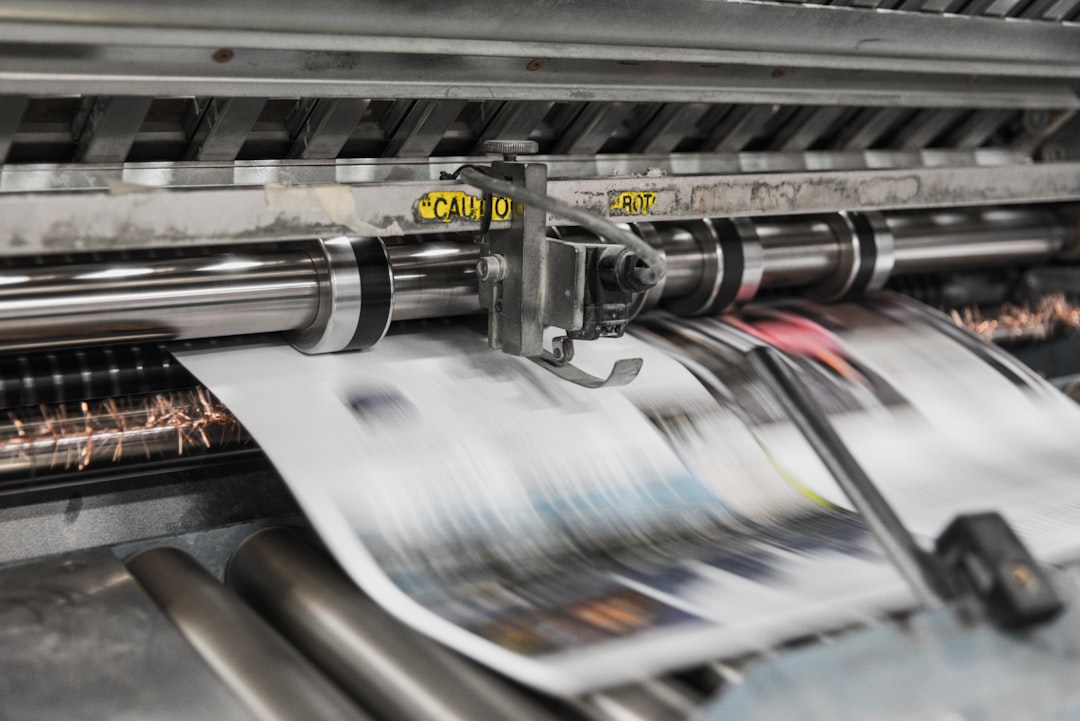
Choosing a surface is one of the most consequential decisions in fine art printing. This guide compares matte, textured, glossy, luster, and canvas options by appearance, viewing conditions, handling, framing, and intended use so you can order photo prints online or plan an art print reproduction with fewer surprises.
Overview
There is no single best paper for art prints. The right choice depends on what you want the finished work to communicate and where it will be displayed. A smooth glossy surface can emphasize color and detail, while a matte or textured fine art paper can create a quieter, more tactile presentation. Canvas changes the character of the image again, making it feel more like a painted artwork or gallery wrap than a traditional paper print.
Surface choice is separate from print quality, although the two are related. A gallery-quality print still requires an appropriate image file, accurate color management, suitable inks, and careful handling. Giclee printing describes a high-resolution inkjet printing process often used for fine art and photographic work; the term alone does not guarantee that every print will have the same color accuracy, paper quality, or longevity. Ask what paper, inks, proofing process, and finishing options are included when comparing print services.
For a collectible edition, portfolio, exhibition, or important wall piece, order a small proof when possible. A digital screen cannot fully show the glare, tooth, warmth, or subtle contrast of a physical surface.
How to compare options
Start with the image rather than the product name. Consider these questions before comparing paper samples:
- How much fine detail does the image contain? Detailed architecture, product photography, and crisp black-and-white work may benefit from a smooth surface. Soft portraits, painterly work, and images with broad tonal transitions can work well on matte or textured stock.
- Where will the print be viewed? A print opposite a window needs different glare management from one displayed in a dim hallway or controlled exhibition space.
- Will the print be framed? Paper prints can be mounted behind glass or acrylic, while canvas may be stretched over bars or framed without glazing. The frame affects both the visual result and the practical protection of the work.
- Will people handle it? A portfolio print, proof, or unframed poster may be touched frequently. A signed limited edition requires a surface and finishing plan that supports careful handling and storage.
- What is the intended visual language? Glossy often feels vivid and polished; matte tends to feel restrained and refined; textured paper adds physical presence; canvas creates a different object-like presentation.
Do not choose a surface solely because it appears more expensive or more archival. Confirm the actual specifications, including paper composition, surface finish, ink system, recommended display conditions, and whether the printer offers a proof or sample pack.
Feature-by-feature breakdown
Matte fine art paper
Matte paper has little or no reflective sheen. It is often a strong choice when you want a calm, low-glare presentation or when the work will be viewed under varied lighting. The absence of reflections makes details easier to assess from different angles, especially in rooms with windows or overhead lights.
Compared with glossy surfaces, matte paper may present color and deep shadows with a softer, less punchy character. This is not automatically a disadvantage. Muted portraits, documentary photography, black-and-white images, illustrations, and fine art reproductions can benefit from the quieter surface. Matte prints are also well suited to framing with a mat, where the paper and image become part of a restrained presentation.
Textured fine art paper
Textured papers have a visible or tactile surface that can resemble watercolor paper, etching stock, or another traditional art material. Texture may add depth and help a digital image feel more physical, making it particularly appealing for paintings, drawings, mixed-media work, and images with an expressive or handmade quality.
The trade-off is that texture can interact with very fine detail. Small type, intricate linework, or highly detailed photographs may appear less uniformly sharp than they would on a smoother sheet. Strong texture can also become part of the viewing experience, so request a sample or proof if the surface pattern is important to the work.
Glossy photo paper
Glossy paper has a reflective surface that can produce a bright, high-contrast appearance. It is often considered for colorful photographs, commercial images, and subjects where crisp detail and visual impact are priorities. Smooth glossy paper can also make saturated colors appear especially lively.
Reflections are the main limitation. Windows, lamps, and ceiling lights may obscure parts of the image, and fingerprints can be more noticeable during handling. Glossy prints are often most effective when displayed away from direct light or protected behind suitable glazing. When comparing matte vs glossy photo prints, compare the intended room and viewing angle as carefully as the image itself.
Luster or semi-gloss paper
Luster, pearl, or semi-gloss surfaces sit between matte and glossy. They usually provide some color depth and contrast while reducing the mirror-like reflections associated with a fully glossy finish. This makes luster a practical general-purpose option for photographic prints, portfolios, family images, and artwork that needs both detail and manageable glare.
Names and exact finishes vary between printers, so treat “luster” as a category rather than a universal specification. A sample is the best way to evaluate how much sheen, texture, and contrast a particular product provides.
Canvas
Canvas is a fabric-based surface rather than a conventional fine art paper. It can give photographs and digital artwork a softer, more dimensional appearance and is frequently used for large wall pieces or images intended to resemble paintings. Canvas may be stretched over a frame or placed in a separate outer frame, depending on the desired presentation.
Canvas is not automatically the best choice for every large photo print. Very small details, fine text, and images that depend on a smooth photographic surface may be better suited to paper. The final look also depends on the canvas weave, coating, stretching method, and whether the image wraps around the edges. For a precise art print reproduction, review the edge treatment before ordering.
Color, black point, and file preparation
Every surface changes the way color and contrast are perceived. Before ordering, check the file dimensions and effective resolution at the intended print size. Around 300 pixels per inch is a common working target for many close-viewed prints, but the appropriate resolution depends on viewing distance, image content, and print dimensions. Use the Photo Print Resolution Calculator or the Print Resolution Calculator to assess a file before committing to a large enlargement.
Unless a printer gives different instructions, preserve the original color profile and follow its file-preparation guidance rather than converting files blindly. If you are reproducing original artwork, capture and color accuracy matter as much as the final paper; the artwork photography guide covers the capture stage in more detail.
Best fit by scenario
- For colorful photography and maximum visual punch: Compare glossy and luster first. Choose glossy when reflections can be controlled; choose luster when you want a more forgiving display surface.
- For portraits, documentary work, and black-and-white images: Matte or luster often provides a measured presentation with less distracting glare.
- For paintings, drawings, and mixed-media originals: Textured fine art paper can reinforce the character of the source work. Check that the texture does not compete with fine marks or small details.
- For large decorative wall art: Compare canvas with matte or luster paper. Canvas can create a substantial, object-like finish, while paper offers sharper control over a traditional framed print.
- For signed or limited edition releases: Select a consistent, well-documented surface and keep the paper name, edition information, proofing notes, and care instructions with your records. See the limited edition print paper guide for edition-focused considerations.
- For portfolios and client presentations: Luster or matte can be practical starting points because they are easier to view under varied lighting. For professional presentation sets, order matching samples before producing a complete portfolio; the professional prints guide offers a planning framework.
Display size should be considered alongside surface. Measure the wall, account for furniture, and decide whether you will use a mat or frame before selecting the print dimensions. The wall art sizing guide and framed poster size guide can help prevent an attractive print from feeling undersized or difficult to frame.
When to revisit
Revisit your paper and canvas decision whenever the project changes, not only when a printer adds a new product. A different image, larger size, new frame, brighter room, or change from personal display to saleable edition can alter the best choice. Review the decision if you move the work into direct daylight, plan to sell signed copies, need a different mounting method, or notice that texture, glare, or contrast is distracting from the image.
Before placing the final order, use this short checklist:
- Define the image’s visual character and the intended viewing distance.
- Identify the display lighting and whether glare will be a problem.
- Choose two or three plausible surfaces rather than comparing every available option.
- Confirm the file size, crop, color instructions, and effective resolution.
- Order a proof or sample when color, texture, or edition consistency matters.
- Record the selected paper or canvas, print size, finish, and framing plan for future reorders.
The best surface is the one that supports the image, the room, and the way the print will be handled. Compare those factors together, and your next fine art print, poster, or archival photo print will be easier to evaluate before it reaches the wall.