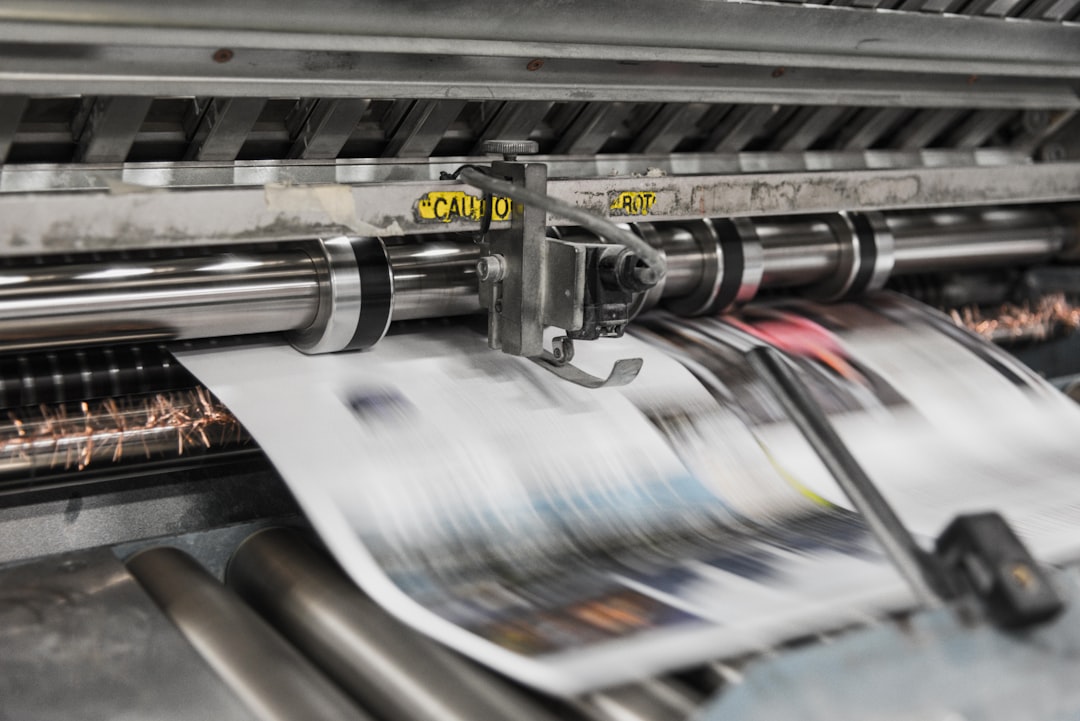
Choosing a print size should not feel like guesswork. The right dimensions depend on three things working together: your image’s aspect ratio, the amount of cropping you can accept, and the frame or display style you want in the room. This guide gives you a practical reference for standard photo print sizes, common poster dimensions, and the frame matches that make ordering easier. Keep it bookmarked whenever you are deciding between small desk prints, large wall art, or gallery-style fine art prints online.
Overview
If you have ever uploaded a file for poster printing online and paused at the size menu, you are not alone. A photo can look perfect on a phone or laptop and still become complicated once print dimensions enter the picture. That is because screens hide one of the most important details in printing: shape.
In print, “size” is not just width and height in inches. It is also the relationship between those sides, usually called the aspect ratio. A 4x6 print and an 8x12 print are different physical sizes, but they share the same shape. That means a file that fits one usually fits the other with little or no cropping. By contrast, moving from a 4x6 image to an 8x10 print changes the shape and often trims part of the image.
That one concept explains most surprises people run into with standard photo print dimensions. The good news is that once you learn to group print sizes by ratio, choosing becomes much simpler.
Use this guide for three goals:
- Pick a print size that suits your image without accidental cropping.
- Match your print to easy-to-find frame sizes.
- Understand when a larger print is realistic for your file quality and display distance.
If you are also comparing surfaces and finishes, our related guide on print finishes and sizes demystified pairs well with this one.
Core framework
The fastest way to choose among photo print sizes is to work in this order: image ratio, intended use, then frame strategy. That order keeps you from falling in love with a size that forces a poor crop or an awkward custom frame.
1. Start with the aspect ratio for prints
Aspect ratio is the proportional shape of the image, such as 2:3, 4:5, 5:7, or square. Many cameras and phones create images close to one of these common ratios, though some phones vary depending on shooting mode and crop settings.
Here are the print families most buyers run into:
- 2:3 ratio: 4x6, 8x12, 12x18, 16x24, 20x30, 24x36
- 4:5 ratio: 8x10, 11x14 is close but not exact, 16x20
- 5:7 ratio: 5x7, 10x14
- 3:4 ratio: 6x8, 9x12, 12x16, 18x24
- Square: 8x8, 10x10, 12x12, 20x20
These groupings matter because they tell you where crop changes happen. A 2:3 image usually moves cleanly into 4x6, 8x12, 16x24, and 24x36. But that same image printed at 8x10 or 16x20 will usually lose content at the long edges or require extra border treatment.
2. Know the common standard photo print dimensions
Below is a practical print size chart you can use as a starting reference.
Small prints for shelves, albums, and gifts
- 4x6: classic everyday photo print, easy to frame, often closest to 2:3 capture
- 5x7: slightly more formal, popular for portraits and tabletop frames
- 8x10: traditional portrait size, common frame availability, but often requires cropping from 2:3 files
Medium prints for desks, gallery walls, and home offices
- 8x12: strong option for uncropped 2:3 images
- 11x14: popular wall size, flexible for portraits, but ratio mismatches are common
- 12x16: clean medium format for many modern digital files
- 12x18: a reliable step up for large photo prints without becoming dominant
Large wall art and poster sizes
- 16x20: classic statement size, common for framed wall art
- 16x24: good for landscape and editorial photography when keeping a 2:3 shape
- 18x24: a familiar poster size with broad frame availability
- 20x24 and 20x30: larger display options, useful for impact
- 24x36: a standard custom poster prints format and a common final step for dramatic wall display
Square formats
- 8x8, 10x10, 12x12, 20x20: ideal for social-first imagery, minimalist wall sets, and balanced compositions
3. Decide how much crop is acceptable
Once you know your image ratio, ask a more useful question than “What size do I want?” Ask: “What can I crop without hurting the image?”
A tight headshot may tolerate very little cropping at the forehead or chin. A wide landscape with extra sky may adapt easily to several print shapes. This is why two photos from the same camera can behave very differently in the same size menu.
In general:
- Portraits: be cautious with ratio changes because body positioning and headroom matter.
- Landscapes: often allow more flexibility if there is negative space to trim.
- Architecture and product images: need careful ratio matching because edges, symmetry, and straight lines make crops obvious.
- Social content and mobile photos: may already be cropped heavily, so enlargements need extra care.
4. Choose a frame strategy before you order
The best frame size for photo prints is not always the same as the print size itself. Sometimes the cleanest result comes from printing slightly smaller and using a mat.
Common approaches include:
- Print-to-frame match: for example, an 8x10 print in an 8x10 frame. Simple and direct.
- Matted presentation: for example, an 8x10 print in an 11x14 frame with a mat opening. This often looks more finished and gives the image breathing room.
- Oversize gallery presentation: for example, a 16x24 print in a larger frame with a wide mat, useful for fine art prints and portfolio work.
Widely available frame sizes tend to include 4x6, 5x7, 8x10, 11x14, 16x20, 18x24, and 24x36. If you choose a less common print size, it may still be an excellent visual choice, but be aware that frame options can narrow.
5. Check file quality before moving up in size
Large prints do not always require perfect pixel math, but they do require reasonable expectations. The familiar 300 dpi for printing guideline is helpful for close-viewed prints, while some larger wall pieces can still look good at lower effective resolution because people view them from farther away.
A simple way to think about it:
- Small prints are viewed closely, so weak files show their flaws sooner.
- Medium prints are forgiving if the original image is clean and well exposed.
- Large photo enlargements can work from lower pixel density if they are intended for wall viewing rather than hand-held inspection.
Before ordering, zoom in on your image at 100 percent and look for softness, noise, over-sharpening, or compression artifacts. Those issues often matter more than the exact number alone. For a deeper workflow perspective, see A cloud-first workflow for creators: from phone photos to gallery-ready prints.
Practical examples
Here is how the framework works in real buying situations.
Example 1: A phone photo for a desk frame
You have a portrait you want to print for a tabletop frame. The frame options are 4x6, 5x7, and 8x10.
Best approach: start by testing the image in 4x6 and 5x7 crops. If the face sits comfortably with good headroom, either can work. If the composition feels cramped at 8x10, do not force it just because the frame is common.
Practical takeaway: the easiest size is not always the best size. Choose the crop that preserves the image first, then buy the frame.
Example 2: A landscape photo for a living room wall
You shot a wide outdoor image and want a larger statement piece. Your likely options include 12x18, 16x24, 18x24, and 24x36.
Best approach: if the file is natively close to 2:3, 12x18, 16x24, and 24x36 keep the image shape consistent. An 18x24 poster may require more crop at the sides or top and bottom, depending on the original file.
Practical takeaway: for landscape photography, staying within the original ratio usually preserves balance better than forcing a common poster size.
Example 3: Selling creator posters from social content
A creator wants to turn high-performing images into custom poster prints. Many of the images were framed vertically for mobile platforms.
Best approach: review each image for crop safety, text placement, and subject position. Square and 4:5 source images may work well for small wall art, but a vertical 2:3 poster can require redesign or added borders if the file was built for social overlays.
Practical takeaway: do not assume a successful post becomes a successful print without adjustment. If this is part of your product strategy, read Monetize your mobile images: turning influencer content into posters and prints.
Example 4: Building a framed gallery wall
You want a set of coordinated prints rather than one hero piece.
Best approach: unify by outer frame size, not necessarily by print size. For example, several 11x14 frames can hold different image sizes with mats. A 5x7 print, an 8x10 print, and a square print can all feel cohesive if the presentation system is consistent.
Practical takeaway: frame consistency often matters more than forcing every image into the same crop.
Example 5: Portfolio prints for photographers and artists
You need gallery quality prints that feel polished in person.
Best approach: choose a size family that flatters your body of work and simplifies framing. Many photographers prefer consistent aspect ratios across a series. For fine art prints, a matted presentation often gives the most professional result and reduces the need to crop each image into a standard frame opening.
Practical takeaway: standardization saves time and creates a stronger visual identity. If you also manage files for repeat ordering, Organize like a pro: folder structures and tagging systems for reprints and posters is worth reading.
Common mistakes
Most print-size problems come from a handful of avoidable habits. If you want more confidence when ordering photo prints online, watch for these.
Choosing by frame availability alone
It is convenient to start with a frame you already own, but this often leads to poor crops. Let the image lead first, then solve framing.
Assuming all “standard” sizes are interchangeable
They are standard in the market, not standard to your image. A 4x6 file does not naturally become an 8x10 without shape changes.
Ignoring white borders and mats as solutions
You do not always need to crop. A border or mat can preserve the full composition while fitting a preferred frame size and giving the print a more refined look.
Going too large too quickly
Large photo prints can look excellent, but not every file deserves the biggest option in the menu. Check sharpness, noise, and compression before scaling up.
Forgetting the room
A 24x36 print can look modest on a large wall and overwhelming in a narrow hallway. Size is partly about architecture and viewing distance, not just image quality.
Overlooking finish and paper in size decisions
The same image can feel very different as a glossy poster, a luster photo print, or a matte fine art paper piece. Large prints especially benefit from choosing a finish that suits lighting and glare conditions. For a fuller comparison, revisit print finishes and sizes demystified.
When to revisit
The best print size is not a one-time decision. Revisit this guide when the input changes, because small shifts in capture method or product goals can change your ideal dimensions.
Review your size choices when:
- You switch cameras or phones and your default aspect ratio changes.
- You begin selling posters or fine art prints rather than making personal prints.
- You move from unframed prints to framed or matted presentation.
- You start offering larger wall art and need to evaluate photo enlargement quality more carefully.
- You redesign your product catalog and want fewer, clearer size options.
- New frame standards or print products become part of your workflow.
A practical maintenance habit is to keep a short “approved size matrix” for your own work. List your preferred print families, the source ratios that fit them best, and the frame pairings you like. For example:
- 2:3 images: 4x6, 8x12, 12x18, 16x24, 24x36
- 4:5 images: 8x10, 16x20
- Square images: 10x10, 12x12, 20x20
- Framed presentation: 8x10 in 11x14 frame, 16x24 in 20x28 or similar with mat if desired
This kind of reference helps creators, photographers, and publishers order faster with fewer surprises. It also makes your product line easier for clients and buyers to understand.
If you handle repeat client orders, proofs, or archive-based reprints, pair your size system with a file management habit and a secure proofing process. Useful next reads include Delivering client galleries that convert, Protect client privacy while sharing proofs, and Long-Term Photo Archiving: Preserving Your Best Images for Future Reprints.
Before you place your next order, do this quick check: confirm the image ratio, preview the crop, measure the wall, and decide whether you want a direct-fit frame or a matted presentation. That four-step habit will solve most print-size decisions with far less trial and error.